
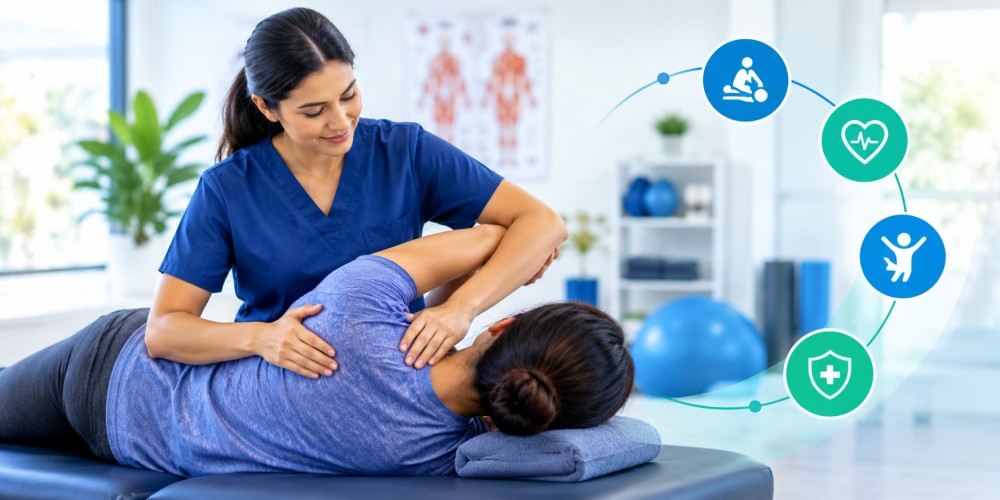
Healthcare planning is no longer limited to prescriptions, imaging, and specialist referrals. For patients dealing with recurring back pain, limited mobility, work-related strain, or sports injuries, hands-on care may become one part of a broader treatment plan.
Osteopathic manipulation therapy is a manual approach that uses techniques such as gentle pressure, stretching, and guided movement to address restrictions in the muscles, joints, and connective tissues. The goal is not to replace primary care, physical therapy, or emergency treatment. It is to provide another option when a patient’s condition may respond to carefully applied physical treatment.
For practices and healthcare administrators, the larger issue is coordination. A hands-on service is most useful when it fits clearly into the patient’s care plan, documentation process, and follow-up schedule.
Where Hands-On Care Fits
Patients often seek manual treatment after a long period of discomfort rather than after one dramatic injury. Someone who spends eight hours a day at a desk may develop neck and shoulder tension. A warehouse employee may experience recurring lower-back strain. A recreational athlete in St. George may need help restoring movement after a demanding training season.
In these situations, a provider may assess posture, range of motion, muscle tension, and joint movement before deciding whether manipulation is appropriate. Treatment may be paired with home exercises, activity changes, strengthening work, or referrals to another clinician.
Patients researching osteopathic manipulation therapy St George should look for care that begins with an evaluation rather than a one-size-fits-all technique. The right approach depends on the person’s symptoms, medical history, current medications, previous injuries, and treatment goals.
That evaluation also helps establish realistic expectations. A patient may notice improved movement after a session, but lasting progress often depends on what happens between appointments. Safe lifting habits, regular movement breaks, sleep, and prescribed exercises can all affect the outcome.
Why Documentation and Coordination Matter
Hands-on treatment can be practical, but it still belongs inside a structured healthcare process. A clear record should explain what the patient reported, what the provider observed, which techniques were used, and how the patient responded.
This information helps the care team make better decisions. If symptoms improve, the provider can document the change and adjust the plan. If pain worsens, new symptoms appear, or progress stalls, the record gives the next clinician useful context instead of forcing the patient to start over.
For medical practices, consistent documentation also supports scheduling and follow-up. A patient who needs several visits may benefit from appointments spaced around work demands, physical therapy sessions, or upcoming travel. In southern Utah, seasonal activities such as hiking, cycling, and outdoor sports can also influence when a patient seeks care and what functional goals matter most.
Questions Worth Addressing Before Treatment
Patients and office staff should be able to answer a few basic questions:
- What problem is the treatment intended to address?
- How will progress be measured?
- Are there activities the patient should avoid temporarily?
- When should the patient contact the provider about new or worsening symptoms?
- Is another healthcare professional needed as part of the plan?
These questions make the experience more useful and reduce the risk of treating symptoms without addressing the patient’s broader needs.
Building a Patient-Centered Plan
The strongest healthcare plans are specific enough to guide action but flexible enough to change when the patient’s condition changes. Hands-on treatment may be appropriate for one person and unsuitable for another. A careful assessment should come before treatment, and follow-up should determine whether the plan is working.
For practices, that means connecting clinical notes with patient education, referrals, scheduling, and measurable goals. For patients, it means viewing manual care as one tool within a larger process—not a quick fix or a substitute for medical evaluation.
When treatment is selected carefully and documented clearly, hands-on care can support better movement, more informed follow-up, and a healthcare experience built around the patient’s actual daily life.