Healthcare organizations have become one of the biggest targets for cybercriminals. Hospitals, clinics, laboratories, and telehealth providers store millions of sensitive patient records. Because of this, even a small security gap can lead to data breaches, financial losses, legal penalties, and damaged patient trust.
As healthcare becomes more digital, healthcare cybersecurity is no longer optional. It is a critical part of delivering safe patient care.
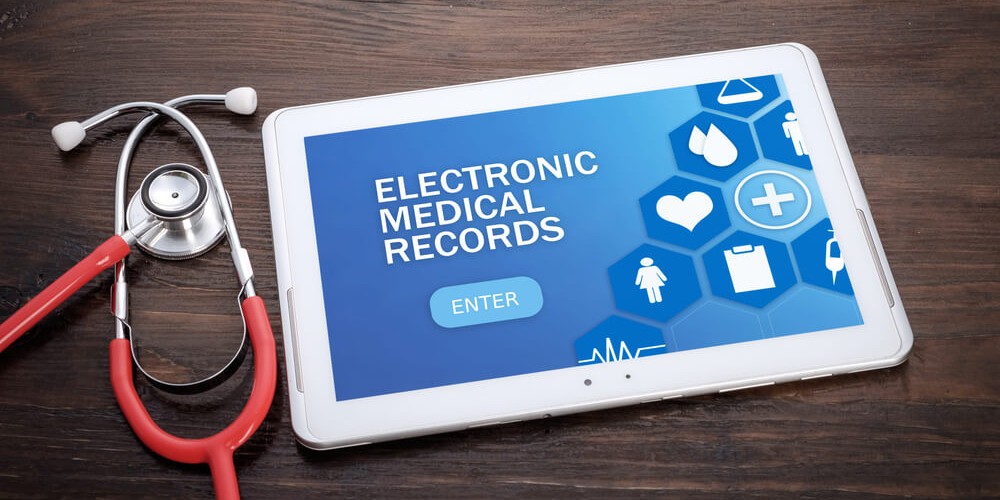
This guide explains the biggest cybersecurity threats facing healthcare, why Electronic Medical Records (EMRs) require strong protection, and the best practices every healthcare organization should follow in 2026.
What Is Healthcare Cybersecurity?
Healthcare cybersecurity refers to the technologies, policies, and practices used to protect healthcare information systems, patient data, medical devices, and digital infrastructure from cyberattacks.
Its primary goals include:
- Protecting patient privacy
- Preventing unauthorized access
- Ensuring data integrity
- Maintaining system availability
- Meeting healthcare compliance regulations
Healthcare organizations manage highly confidential information, including:
- Personal identification
- Medical histories
- Insurance information
- Payment details
- Prescription records
- Laboratory reports
- Imaging records
Since this information is valuable on the black market, healthcare has become one of the most targeted industries worldwide.
Why Healthcare Is a Prime Target for Cybercriminals
Several factors make healthcare organizations attractive targets.
- Valuable Patient Information
Medical records contain far more information than credit cards. Criminals can use healthcare data for:
- Identity theft
- Insurance fraud
- Prescription fraud
- Financial scams
Unlike passwords, medical histories cannot simply be changed.
- Legacy Systems
Many hospitals still operate older software that lacks modern security protections.
Outdated systems often contain vulnerabilities that hackers exploit.
- Growing Connected Devices
Modern healthcare relies on:
- Smart infusion pumps
- Patient monitoring devices
- Imaging systems
- IoT-enabled medical equipment
- Wearable devices
Every connected device increases the potential attack surface.
- Increasing Digital Transformation
Healthcare now depends on:
- Electronic Medical Records (EMRs)
- Electronic Health Records (EHRs)
- Telemedicine
- Patient portals
- Cloud storage
- Mobile applications
While these technologies improve patient care, they also introduce new security risks.
Common Healthcare Cybersecurity Threats
Ransomware
Ransomware encrypts hospital systems and demands payment to restore access.
The consequences include:
- Cancelled surgeries
- Delayed treatments
- Emergency diversions
- Revenue loss
- Patient safety risks
Healthcare organizations continue to experience ransomware attacks because downtime directly affects patient care.
Phishing Attacks
Phishing emails trick employees into revealing:
- Passwords
- Banking information
- Login credentials
Human error remains one of the leading causes of healthcare data breaches.
Insider Threats
Not every cybersecurity incident comes from external attackers.
Insider risks include:
- Employee negligence
- Unauthorized access
- Misuse of patient information
- Weak password practices
Proper employee training significantly reduces these risks.
Medical Device Attacks
Connected medical devices often receive fewer security updates than traditional computers.
Hackers may exploit vulnerabilities in:
- MRI systems
- Ventilators
- Infusion pumps
- Diagnostic equipment
Healthcare organizations must secure every connected endpoint.
Cloud Security Risks
Cloud-based EMR systems provide flexibility but require proper security configurations.
Common mistakes include:
- Weak authentication
- Publicly exposed databases
- Misconfigured storage
- Poor access controls
Why EMR Systems Need Strong Cybersecurity
Electronic Medical Records are the backbone of modern healthcare.
EMRs store:
- Diagnoses
- Prescriptions
- Medical histories
- Clinical notes
- Lab reports
- Billing information
If attackers compromise an EMR system, the consequences extend beyond financial losses.
Potential impacts include:
- Incorrect medical information
- Delayed treatments
- Lost patient trust
- Regulatory penalties
- Operational disruption
Protecting EMRs directly protects patient safety.
Best Practices for Healthcare Cybersecurity
Implement Multi-Factor Authentication (MFA)
Passwords alone are no longer enough.
Healthcare organizations should require:
- Passwords
- Authentication apps
- Security tokens
- Biometrics
MFA dramatically reduces unauthorized access.
Encrypt Sensitive Data
Encryption protects patient information during:
- Storage
- Transmission
- Cloud backups
- Mobile access
Even if hackers steal encrypted files, the information remains unreadable without encryption keys.
Perform Regular Software Updates
Software vendors regularly release security patches.
Organizations should update:
- EMR software
- Operating systems
- Medical devices
- Network equipment
- Firewalls
Delayed updates often create unnecessary vulnerabilities.
Train Healthcare Staff
Cybersecurity begins with employees.
Training should cover:
- Recognizing phishing emails
- Password security
- Safe browsing
- Reporting suspicious activity
- Patient privacy requirements
Regular awareness programs help reduce human error.
Create Strong Access Controls
Not every employee needs access to every patient record.
Role-based access control (RBAC) ensures employees only access information necessary for their responsibilities.
This principle minimizes insider threats.
Backup Data Frequently
Healthcare organizations should maintain:
- Automated backups
- Offline backups
- Cloud backups
- Disaster recovery plans
Backups enable faster recovery after ransomware attacks.
Monitor Network Activity
Continuous monitoring helps detect:
- Unauthorized logins
- Malware
- Suspicious traffic
- Failed login attempts
- Unusual user behavior
Early detection reduces damage.
Secure Medical Devices
Medical devices require:
- Firmware updates
- Network segmentation
- Strong authentication
- Device inventories
Healthcare cybersecurity must include connected medical equipment.
Zero Trust Security in Healthcare
Many organizations now adopt the Zero Trust security model.
Zero Trust follows one principle:
Never trust. Always verify.
Instead of assuming users inside the network are safe, every access request is verified continuously.
Zero Trust includes:
- Identity verification
- Device authentication
- Least-privilege access
- Continuous monitoring
- Network segmentation
Healthcare providers increasingly view Zero Trust as the future of cybersecurity.
Healthcare Compliance and Cybersecurity
Cybersecurity supports regulatory compliance.
Healthcare organizations should follow applicable privacy and security regulations based on their operating regions.
Strong cybersecurity practices help organizations:
- Protect patient confidentiality
- Maintain audit trails
- Prevent unauthorized disclosures
- Reduce legal risks
- Improve compliance readiness
Compliance is not only about avoiding penalties—it also strengthens patient confidence.
Artificial Intelligence in Healthcare Cybersecurity
Artificial Intelligence (AI) is transforming cybersecurity.
AI-powered security tools can:
- Detect suspicious behavior
- Identify malware faster
- Analyze network traffic
- Predict cyber threats
- Automate incident response
Healthcare organizations increasingly use AI to improve both speed and accuracy in threat detection.
However, AI should complement—not replace—experienced cybersecurity professionals.
Building a Cybersecurity Culture
Technology alone cannot stop cyberattacks.
Healthcare organizations need a security-first culture.
Leadership should encourage:
- Regular cybersecurity training
- Incident reporting
- Security awareness campaigns
- Executive involvement
- Continuous improvement
Every employee contributes to protecting patient information.
Emerging Healthcare Cybersecurity Trends for 2026
Several trends continue shaping healthcare cybersecurity.
Cloud-Native Security
More healthcare providers are securing cloud environments using advanced identity management and automated monitoring.
AI-Based Threat Detection
Artificial intelligence continues improving early threat detection and faster response times.
Medical IoT Protection
Security solutions increasingly focus on connected healthcare devices.
Extended Detection and Response (XDR)
Organizations are adopting unified security platforms that monitor endpoints, networks, cloud environments, and email systems from a single dashboard.
Cybersecurity Risk Assessments
Healthcare providers now conduct more frequent security assessments to identify vulnerabilities before attackers do.
Benefits of Strong Healthcare Cybersecurity
Organizations that invest in cybersecurity experience multiple benefits.
These include:
- Better patient trust
- Reduced downtime
- Lower financial losses
- Stronger regulatory compliance
- Improved operational continuity
- Secure digital transformation
- Better protection of EMR systems
- Faster recovery from cyber incidents
Cybersecurity is no longer viewed as an IT expense. It has become a strategic investment in patient care.
How to Strengthen Your EMR Security Today
Healthcare organizations can improve security by following a practical roadmap.
- Conduct a cybersecurity risk assessment.
- Update outdated software and operating systems.
- Enable multi-factor authentication.
- Encrypt sensitive patient information.
- Train employees regularly.
- Monitor network activity continuously.
- Secure connected medical devices.
- Create incident response plans.
- Test backup and recovery procedures.
- Review security policies every year.
Small improvements made consistently can significantly reduce cyber risks.
Conclusion
Healthcare cybersecurity continues to evolve as cyber threats become more advanced. Hospitals, clinics, and healthcare providers must protect patient information while ensuring uninterrupted care.
Strong cybersecurity combines modern technology, employee awareness, secure EMR systems, and ongoing risk management. Organizations that invest in proactive security measures are better prepared to defend against ransomware, phishing, insider threats, and emerging cyber risks.
As healthcare embraces digital innovation, cybersecurity must remain a top priority. Protecting patient data is not only a legal responsibility—it is essential for maintaining trust, ensuring patient safety, and supporting the future of connected healthcare.
Frequently Asked Questions (FAQs)
What is healthcare cybersecurity?
Healthcare cybersecurity involves protecting healthcare systems, EMRs, medical devices, and patient data from cyber threats such as ransomware, phishing, and unauthorized access.
Why are EMR systems targeted by hackers?
EMR systems store valuable personal and medical information that criminals can exploit for identity theft, insurance fraud, and financial crimes.
What is the biggest cybersecurity threat in healthcare?
Ransomware remains one of the most significant threats because it can disrupt patient care, lock access to critical systems, and result in major financial losses.
How can healthcare organizations improve cybersecurity?
Organizations should implement multi-factor authentication, encrypt patient data, conduct employee training, perform regular software updates, monitor networks, and maintain secure backups.
Why is employee training important for healthcare cybersecurity?
Many cyberattacks begin with phishing emails or human error. Regular cybersecurity awareness training helps staff recognize threats and reduce security risks.
Editorial Information: This guide is prepared by the EMRIndustry research team using publicly available vendor information, healthcare technology resources, and industry updates.