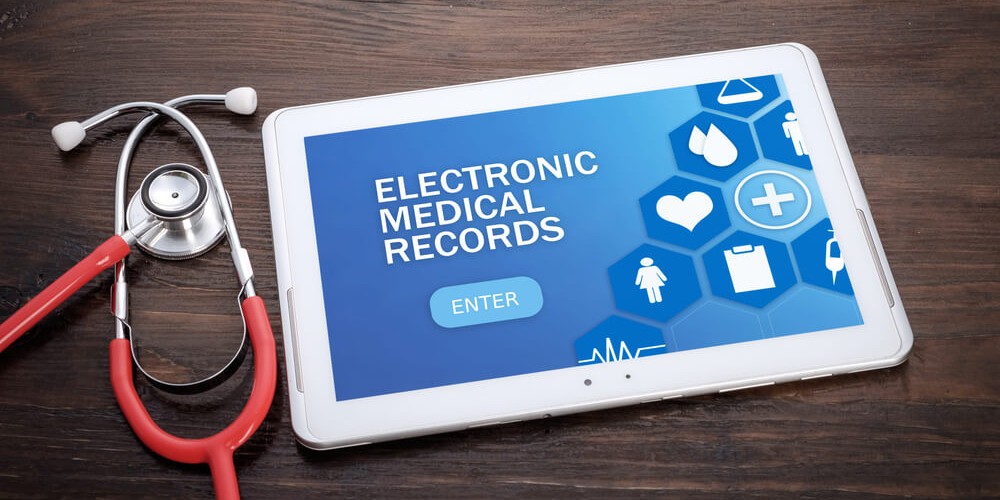
Healthcare is changing faster than ever before. New technologies are helping doctors make better decisions, hospitals improve efficiency, and patients receive faster care. Among these innovations, AI in Healthcare has become one of the most important developments.
Artificial Intelligence (AI) is no longer a concept for the future. Today, hospitals, clinics, laboratories, and healthcare organizations use AI to improve patient outcomes, reduce medical errors, and automate repetitive tasks. From medical imaging to Electronic Medical Records (EMRs), AI is transforming nearly every part of healthcare.
In this guide, you’ll learn how AI works in healthcare, its biggest applications, benefits, challenges, and what the future holds.
What is AI in Healthcare?
AI in Healthcare refers to the use of artificial intelligence technologies such as machine learning, deep learning, natural language processing (NLP), and predictive analytics to support medical professionals and improve patient care.
Unlike traditional software that follows fixed rules, AI systems learn from healthcare data. As a result, they can recognize patterns, predict diseases, recommend treatments, and automate administrative tasks.
Healthcare organizations generate enormous amounts of data every day. AI helps transform this data into meaningful insights that improve decision-making.
Why AI is Becoming Essential in Healthcare
Healthcare systems face several challenges, including:
- Growing patient populations
- Physician shortages
- Rising healthcare costs
- Administrative burden
- Increasing chronic diseases
- Demand for personalized medicine
AI helps solve these problems by improving efficiency while supporting better clinical decisions.
For example, AI can analyze thousands of medical records within seconds. A physician would need many hours to review the same amount of information manually.
Therefore, AI allows healthcare providers to spend more time caring for patients instead of handling paperwork.
How AI Works in Healthcare
AI combines multiple technologies to analyze healthcare information.
These include:
- Machine Learning (ML)
- Deep Learning
- Natural Language Processing (NLP)
- Computer Vision
- Predictive Analytics
- Robotic Process Automation (RPA)
Each technology solves different healthcare challenges.
For example:
- Computer vision analyzes X-rays and MRI scans.
- NLP extracts information from physician notes.
- Machine learning predicts patient risks.
- Predictive analytics forecasts disease progression.
Together, these technologies create intelligent healthcare systems.
Top Applications of AI in Healthcare
1. AI in Medical Diagnosis
One of the most significant uses of AI is disease diagnosis.
AI algorithms analyze medical images and identify abnormalities faster than traditional methods.
Examples include:
- Detecting breast cancer in mammograms
- Identifying lung cancer from CT scans
- Finding diabetic retinopathy from retinal images
- Diagnosing skin cancer
- Detecting fractures in X-rays
AI assists radiologists by highlighting suspicious areas, reducing diagnostic errors.
2. AI-Powered Electronic Medical Records (EMRs)
Electronic Medical Records generate massive amounts of structured and unstructured data.
AI helps healthcare providers by:
- Summarizing patient history
- Detecting missing clinical information
- Suggesting diagnoses
- Identifying medication interactions
- Improving documentation
- Automating coding
Modern EMR platforms increasingly include AI-powered clinical decision support tools that help physicians make informed treatment decisions.
3. Predictive Analytics
AI predicts future health risks before they become serious.
Healthcare organizations use predictive models to identify patients at risk of:
- Heart attacks
- Stroke
- Diabetes complications
- Hospital readmission
- Sepsis
- Kidney failure
Early prediction enables preventive care and reduces emergency hospitalizations.
4. Drug Discovery
Developing new medicines traditionally takes many years.
AI speeds up drug development by:
- Screening millions of chemical compounds
- Predicting drug effectiveness
- Identifying side effects
- Recommending potential treatments
Pharmaceutical companies use AI to shorten research timelines and reduce development costs.
5. Personalized Treatment Plans
Every patient responds differently to treatment.
AI analyzes:
- Medical history
- Genetics
- Lifestyle
- Previous treatments
- Laboratory reports
It then helps physicians recommend personalized therapies with better success rates.
Personalized medicine continues to grow because AI makes individualized care more practical.
6. Virtual Health Assistants
AI-powered virtual assistants improve patient engagement.
They help patients:
- Schedule appointments
- Receive medication reminders
- Track symptoms
- Answer basic medical questions
- Monitor chronic conditions
These assistants improve communication while reducing hospital workload.
7. Medical Imaging
Radiology departments generate thousands of images daily.
AI quickly analyzes:
- CT scans
- MRI scans
- Ultrasounds
- Mammograms
- PET scans
Although AI does not replace radiologists, it helps prioritize urgent cases and improve accuracy.
8. Hospital Operations
Hospitals also use AI beyond clinical care.
Applications include:
- Staff scheduling
- Resource allocation
- Operating room optimization
- Bed management
- Supply chain forecasting
- Revenue cycle management
Improved operational efficiency leads to better patient experiences.
Benefits of AI in Healthcare
Healthcare providers increasingly adopt AI because it delivers measurable improvements.
Improved Diagnostic Accuracy
AI analyzes vast medical datasets quickly and identifies patterns that may be difficult for humans to detect.
This supports faster and more accurate diagnoses.
Faster Decision-Making
AI processes information within seconds.
Consequently, physicians receive valuable insights during patient consultations.
Reduced Administrative Burden
Healthcare professionals spend considerable time on documentation.
AI automates tasks such as:
- Clinical documentation
- Medical coding
- Billing support
- Appointment scheduling
This allows clinicians to focus more on patient care.
Better Patient Outcomes
Early diagnosis, predictive analytics, and personalized treatments help improve recovery rates while reducing complications.
Lower Healthcare Costs
AI improves efficiency by reducing:
- Duplicate testing
- Hospital readmissions
- Administrative costs
- Diagnostic delays
Over time, these savings benefit healthcare providers and patients.
Enhanced Patient Experience
Patients receive:
- Faster appointments
- Better communication
- Personalized recommendations
- Continuous monitoring
As a result, patient satisfaction improves significantly.
Challenges of AI in Healthcare
Although AI offers many benefits, several challenges remain.
Data Privacy
Healthcare data contains highly sensitive patient information.
Organizations must comply with regulations such as HIPAA and other regional privacy laws.
Strong cybersecurity measures are essential.
Data Quality
AI performs best when trained using accurate, complete, and standardized healthcare data.
Poor-quality data reduces prediction accuracy.
Bias in AI Models
AI systems learn from historical data.
If training data contains bias, AI recommendations may also become biased.
Healthcare organizations must regularly evaluate AI systems for fairness.
Integration with Existing Systems
Many hospitals still use legacy software.
Integrating AI with existing Electronic Medical Records and Hospital Information Systems can be technically challenging.
Regulatory Compliance
Healthcare AI solutions must meet strict regulatory requirements before clinical implementation.
Continuous monitoring ensures patient safety.
AI and Electronic Medical Records
EMRs are becoming smarter because of AI.
Future AI-enabled EMRs may automatically:
- Generate clinical notes
- Recommend treatments
- Detect documentation gaps
- Predict patient deterioration
- Alert physicians about medication risks
- Support clinical decision-making
These capabilities reduce physician burnout while improving care quality.
Healthcare organizations adopting AI-enabled EMRs gain better workflow efficiency and data-driven insights.
Future Trends of AI in Healthcare
AI continues to evolve rapidly.
Some major trends include:
Generative AI
Generative AI helps clinicians summarize medical records, draft patient communications, and create clinical documentation more efficiently.
AI-Assisted Surgery
Robotic surgical systems continue to become more intelligent.
AI improves precision while supporting minimally invasive procedures.
Remote Patient Monitoring
Wearable devices continuously collect health information.
AI analyzes this data and alerts healthcare providers when patients require intervention.
Digital Twins
Researchers are exploring digital twins that simulate a patient’s physiology.
These virtual models may help physicians predict treatment outcomes before administering therapies.
Precision Medicine
AI combines genetics, biomarkers, and patient history to create highly personalized treatment plans.
This approach is expected to become increasingly common over the next decade.
Best Practices for Implementing AI in Healthcare
Healthcare organizations should follow these best practices:
- Define clear clinical objectives.
- Use high-quality healthcare data.
- Ensure patient privacy and security.
- Integrate AI with existing EMR systems.
- Train healthcare professionals on AI tools.
- Monitor AI performance regularly.
- Maintain transparency in AI decision-making.
- Comply with healthcare regulations.
A structured implementation strategy increases adoption success and improves patient trust.
Frequently Asked Questions
Is AI replacing doctors?
No. AI supports healthcare professionals by providing clinical insights and automating repetitive tasks. Final medical decisions remain the responsibility of qualified clinicians.
Can AI diagnose diseases accurately?
AI can identify patterns in medical images and healthcare data with impressive accuracy for certain conditions. However, its results should be reviewed by healthcare professionals before making clinical decisions.
How does AI improve Electronic Medical Records?
AI enhances EMRs by automating documentation, summarizing patient records, identifying missing information, recommending treatments, and improving clinical workflows.
What are the biggest challenges of AI in healthcare?
The main challenges include data privacy, integration with legacy systems, regulatory compliance, data quality, algorithm bias, and the need for ongoing human oversight.
What is the future of AI in healthcare?
AI is expected to become more deeply integrated into clinical decision support, predictive analytics, remote monitoring, personalized medicine, administrative automation, and patient engagement while continuing to complement healthcare professionals.
Conclusion
AI in Healthcare is transforming the way care is delivered. From improving diagnostics and streamlining Electronic Medical Records to enabling personalized treatments and predictive analytics, AI helps healthcare organizations provide better care while operating more efficiently.
Although challenges such as privacy, integration, and regulatory compliance remain, responsible AI adoption can deliver significant value for providers and patients alike. Organizations that invest in secure, ethical, and well-integrated AI solutions will be better prepared for the future of healthcare.
As AI technologies continue to evolve, they will increasingly serve as trusted assistants to clinicians, helping them make informed decisions, reduce administrative burdens, and improve patient outcomes. For healthcare leaders, now is the time to evaluate AI strategies that align with clinical goals and enhance the quality of care.
This article has been researched and reviewed by the EMRIndustry Editorial Team. The content is based on industry best practices, publicly available healthcare technology resources, and current trends in artificial intelligence.