

























In a Californian healthcare system, nearly 20% of deceased patients were inaccurately labeled as alive in the electronic health record, leading to unnecessary outreach efforts. Researchers identified 676 patients at an academic health care system who were deceased but incorrectly marked as alive. Over 900 letters regarding unmet preventive care needs were sent to these misclassified deceased patients. Neil S. Wenger, MD, MPH, a professor at the University of California, Los Angeles (UCLA), highlighted the issue’s solvability, citing a state database capable of identifying most deceased patients, but current regulations limit its access to financial institutions rather than healthcare institutions.
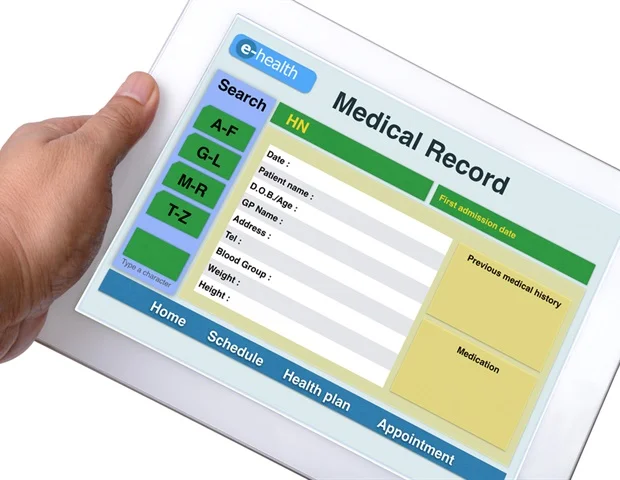
Wenger and colleagues reported in JAMA Network Open that discrepancies in electronic health records (EHRs) often fail to indicate patient deaths, prompting their investigation into the proportion of active patients inaccurately marked as alive. The study involved analyzing EHRs of 11,698 seriously ill patients from 41 primary care clinics affiliated with UCLA, tracking them for two years or until November 2022. Comparing the EHR alive cohort against the California Department of Public Health Public Use Death File, they found 676 patients (5.8%) erroneously marked as alive in the EHR but deceased in the Death File. Of these patients, 80% had outstanding appointments or encounters, leading to 338 portal messages and 221 telephone calls. Deceased patients also received letters about unmet preventive care needs, mailed correspondence, vaccine and care orders, authorized medications, and maintained active appointments post-death. The researchers highlighted the impact on health management, billing, advanced interventions, and measurement, hindering the health system’s ability to learn from adverse outcomes and implement quality improvements. The study’s limitations include its single health system focus and modest follow-up period. Wenger emphasized that raising awareness may contribute to addressing this issue.


