






































3 Ways Technology Will Optimize Medical Facilities
Technology has always done wonders to improve the way that people live and society as a whole operates. Nowhere is this more true than in the medical industry. Medical facilities need cutting edge equipment to monitor and diagnose patients, and the amount of data hospitals need to collect and keep track of is so immense that digital file storage is necessary. There is also the ever present threat of potential cyber attacks. Here are the tech tips that your medical facility needs.
1.Cybersecurity:
Modern healthcare data requires technological solutions such as cloud storage, and that means that there is always a degree of risk that hackers can potentially target your facility. This risk is largely attributable to the fact that hospitals need to keep track of the personal information of their patients, something that hackers could use for the purposes of identity theft, and that makes hospitals a veritable gold mine to bad actors.
In order to protect your patients directly, you can use SSL decryption to secure your hospital’s website. Encryption and decryption are vitally important to online security, but these protocols aren’t a given. Each individual website owner will be responsible for paying a certification fee in order to keep the information on that website out of the wrong hands. In order to protect the facility itself, you’ll need to invest in antimalware software, network traffic monitoring, and multifactor authentication.
The former two are important for thwarting hackers, but the latter is geared toward minimizing the detriment of human error. Passwords can be the weak link in any security system, simply because they can easily be cracked by hackers. MFA works as a deterrent, because it requires additional verification sent directly to your staff’s smartphones.
2.Cloud Storage:
Cloud storage is fairly widespread among businesses and consumers alike, often without them even realizing. Email services like GMail are a great example of this. Just about everyone has at least one email account, but those emails have to be stored somewhere. However, there are also plenty of ways to actively use cloud storage to expand your total storage space and to secure your data. Cloud storage has become a staple among businesses due to the fact that the mass influx of data renders physical file storage unfeasibly cumbersome.
Hospitals stand to benefit even more so from this, because it can also make it much easier to share necessary information with other facilities. The medical industry is, after all, a collaborative effort between many different medical facilities and professionals. Cloud storage can also protect the files contained therein by decentralizing them. By storing files remotely, it eliminates the amount of data that can be lost in the event of a cyber attack. This is because hackers will have no clear picture of where your data is and how to get to it.
3.IoT Technology:
One of the biggest problems for hospitals is that there is simply too much information to keep track. This detracts from the amount of time that doctors have to interact with their patients, and it allows information to be lost in transition or to be taken down inaccurately.
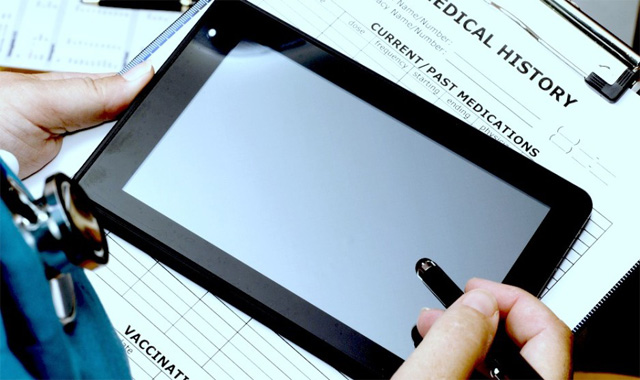
IoT tech can help hospitals optimize the data pipeline in a few key ways. By allowing patients to self report updates in between visits, hospitals benefit from fewer overall visits in cases in which they would be little more than a formality. Medical professionals have begun to embrace personal tablet computers as an alternative to the traditional method of carrying a pen and clipboard, because it allows information written down to be instantly saved and stored in the cloud, leading to fewer errors and lost information.
Managing a hospital is no easy feat, and that has only become even more true during the ongoing pandemic. However, there are ample technological solutions that can make this task much more manageable. These tips will help you keep your hospital running smoothly.


