
























4 Must-Have Technology Tools For Any Doctor’s Office
Technology has been an increasing presence in doctor’s offices in recent years, particularly with the rise in the popularity of telehealth services. New tools and devices are being implemented all the time, so it’s hard to predict what you’ll see the next time you have a doctor’s appointment. Here are a few tech tools expected to become commonplace in doctor’s offices in the next decade.
1. Virtual Appointments
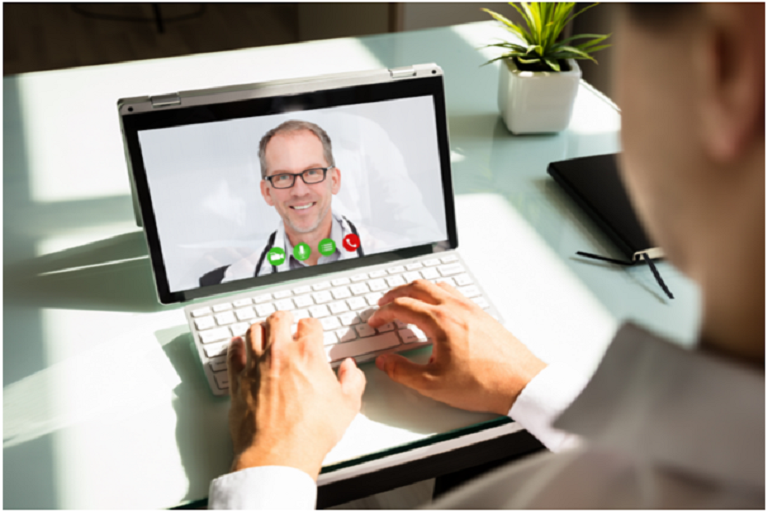
While a virtual appointment may have been difficult to achieve just a few years ago, it’s now an incredibly simple thing today. The rise of smartphones, computers, and laptops with built-in cameras has made it easy for most patients to have a virtual appointment that is essentially the same in every way as seeing your doctor in person.
It’s likely that the increase in popularity of virtual visits is going to push many offices and practices to create their own apps or platforms for chatting with patients, cutting out many of the frustrating little inconveniences that make a doctor’s appointment difficult for many people. You won’t have to waste time in the waiting room, and you can easily chat with your doctor when you have questions about prescriptions or your condition.
Virtual appointments only have a drawback if you’re concerned about privacy, and of course, there will be many situations where an in-person visit is necessary. But cloud technology such as cloud migration (what is cloud migration?) has made it simple for offices to store sensitive information in a safe and secure way.
2. Remote Patient Monitoring
Hospitals are difficult places to be for extended periods of time, and many hospitals have the goal of getting patients in and out as quickly as possible. This becomes much more likely to happen with remote patient monitoring technology. Rather than keeping patients in the hospital for observation, they can simply go back home with their monitoring device.
These devices can generate helpful data for healthcare providers, as well as alerting the patient when they may need to take action. Those with chronic illnesses may be accustomed to spending days in the hospital, but this may soon become a thing of the past. Patients who are able to take their care into their own hands are more likely to have good health outcomes, so this technology really has the potential to change lives.
3. AI Learning
So much of what doctors, nurses, surgeons, and other healthcare professionals do can only be learned through practice. This means spending hours shadowing and learning from observation, then jumping into practicing health with whatever training you’ve been able to get. For many reasons, the potential for AI learning in healthcare fields is huge. The more practice your care provider has had before they begin their job, the more secure everyone will feel.
4. Waiting Rooms
A lot goes on behind the scenes at doctor’s offices and hospitals. What you see in front of you is a receptionist. But the receptionist is essentially the gatekeeper to insurance and billing companies, as well as complex scheduling systems. A lot of problems patients encounter when making appointments or paying bills occur as a result of one or more of these systems encountering a glitch.
The receptionist’s desk is a perfect candidate for technological revamping. Better technology in the waiting room allows for more efficient workflows, which in turn allows patients to have a much better experience. For instance, real-time reports from each doctor’s schedule can alert receptionists when a doctor will be late to an appointment. The receptionist can then notify the patient that their appointment is running late, allowing the patient to do something else with that time.
Conclusion
At the end of the day, patients are also customers, so a lot of customer relation software could be used in doctor’s offices to improve doctor-patient relationships. Technology has made life a lot more efficient and allowed for a lot of innovation in many areas, and doctor’s offices are no exception.


