



































4 Vital Things Doctors Say Everyone Should Know About Cholesterol
If you’re like most people, you know it’s important to keep your cholesterol in the healthy range. According to the Centers for Disease Control and Prevention (CDC), that means less than 100 mg/dL of low-density lipoprotein (LDL), more than 60 mg/dL high-density lipoprotein (HDL), and less than 150 mg/dL triglycerides.
But beyond simply knowing whether your cholesterol is too high or not, understanding the role cholesterol plays in promoting and preventing disease can help keep you healthy, says Deirdre Mattina, MD, a preventive cardiologist at the Cleveland Clinic. “When you know more about your cholesterol, it’ll help you have a more informed conversation with your doctor. This can help your care team identify your risk of heart disease early and come up with a treatment plan that will help you live longer with lots of vitality,” she says.
So, what should you know about cholesterol to stave off heart disease, stroke, and more? Read on.
1. Total cholesterol is only part of the picture.
When you get your bloodwork results back, there’s a good chance you focus on your total cholesterol, zeroing in on that one number. However, Dr. Mattina says what’s more important than total cholesterol is understanding each of the different components that make up that score. “You really have to break down the different types of cholesterol to get a full picture,” says Dr. Mattina. A typical cholesterol test will measure the following:
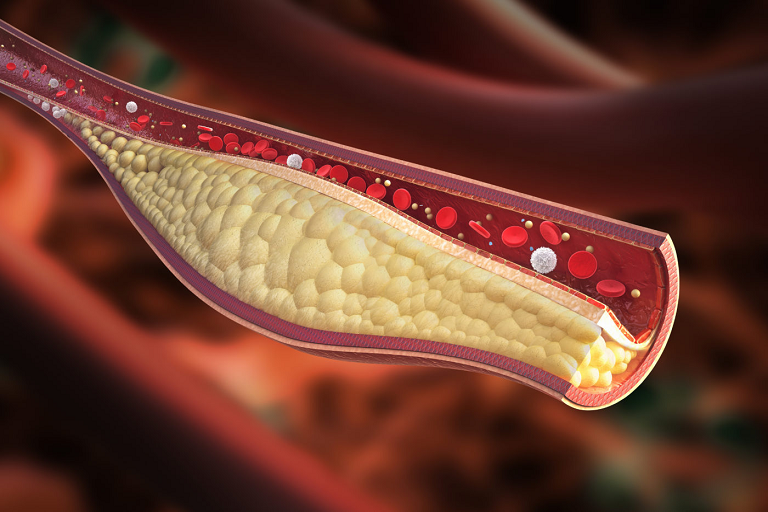
LDL: This is considered the “bad” cholesterol because it leads to plaque buildup in your arteries and increases your risk for heart attack and stroke. (The more buildup, the stiffer and narrower your arteries and the harder it is for blood to flow freely to and from the heart.) For the general population, less than 100 is ideal, and a score above 160 is considered high. However, if you’ve already been diagnosed with heart disease, you’ll want your LDL to be lower than 70—and possibly even lower, adds Randal Thomas, MD, medical director of the Mayo Clinic’s Cardiac Rehabilitation Program.
HDL: This is considered the “good” cholesterol because it carries LDL cholesterol away from the arteries and back to the liver, where it’s broken down and flushed from the body. For men, the ideal range is between 40 and 100 HDL; for women, 50 to 100 is ideal, says Dr. Thomas
Triglycerides: This is a type of fat in the blood that your body uses for energy. For most people, a triglyceride score above 150 is considered high, says Dr. Thomas, and above 1,000 is dangerously high. The combo of high triglycerides with low “good” HDL cholesterol or high “bad” LDL cholesterol can boost your risk for heart attack and stroke.
To get a more accurate picture of how your cholesterol may be putting you at risk for heart disease, add all three of these cholesterol components and then subtract your HDL number. “That number tells us how many particles of cholesterol are circulating that put you at risk,”
2. Even if you have normal cholesterol levels, you can have a heart attack.
For women, in particular, the new thinking is that it’s not just cholesterol particles that convey the risk of heart disease, but how that cholesterol behaves, says Dr. Mattina. “Many people with normal cholesterol numbers have heart attacks, and that’s likely because their cholesterol behaves in a way that’s inflammatory,” she says.
The best way to tell if you have inflammatory cholesterol particles in your blood is to ask for a high sensitivity C-reactive protein (CRP) test, says Dr. Mattina. “This isn’t checked in a typical cholesterol panel and isn’t specific to heart disease, but it’ll give your doctor a sense of overall inflammation in your body,” which will then help direct your treatment plan. (CRP is a byproduct of inflammation, and experts agree it’s as good at predicting heart disease as measuring LDL.)
If your C-reactive protein is elevated, your doctor might also order a coronary calcium score to better understand your risk of heart disease. That test involves a low-dose radiation scan of the heart to look for hardened cholesterol in the arteries, says Dr. Mattina. “If you have an elevated calcium score, it tells us there’s some hardened cholesterol in the arteries around the heart,” she says. “That’s when we’ll want to consider cholesterol-lowering medication as a treatment option to prevent heart attack.”
3. Eating well can improve your cholesterol score, but you may still need meds.
There is no doubt that certain unhealthy habits will cause an uptick in your triglycerides and LDL cholesterol and prompt your HDL levels to plummet. According to the American Heart Association, eating a diet high in saturated fats and simple carbohydrates, smoking, not enough physical exercise, and being overweight or obese have been shown to negatively impact your cholesterol and increase your risk of heart disease. On the flip side, improving your diet by choosing healthier fats and increasing your fiber intake, exercising more, and quitting smoking can go a long way toward keeping your cholesterol in check.
That said, even if you’re making all the right choices in an effort to improve your cholesterol profile, medication may still be necessary—and it’s important to understand that you may not be able to improve your cholesterol with lifestyle measures alone, says Dr. Mattina. “This is especially true if you’ve had a heart attack when we need to drastically lower your LDL cholesterol,” she says. “However, if you make big changes in your habits, you can impact the total dose or amount of cholesterol medications you’ll be on for maintenance.”
4. Preventive cardiologists can help you keep a handle on your cholesterol and heart health.
Considering heart disease is the No. 1 killer in this country, most of us are living with high cholesterol, says Dr. Mattina—and the longer that cholesterol lingers in the bloodstream, the more likely it is to accumulate in your blood vessels and cause plaque to build up and inflammation to spike. What’s more, there is very little data that shows we can reverse the damage done by high levels of “bad” cholesterol, she says. “For the most part, the best we can do is stabilize cholesterol and prevent it from getting worse,” says Dr. Mattina. “Which means prevention is key. And the sooner you start, the better.”
If you have a relative who had a heart attack in his or her 30s or 40s, your doctor might suggest seeing a cardiologist when you’re in your 20s, says Dr. Mattina. “I also like to see women in their childbearing years no matter what their family history, because we’re seeing the risk for heart disease rise when women experience things like gestational diabetes and pre-eclampsia during pregnancy.” Chronic conditions that prompt chronic inflammation, such as autoimmune diseases like lupus and rheumatoid arthritis, can also put you at higher risk for heart disease—even if your cholesterol isn’t high, adds Dr. Mattina. Ask your doctor what she thinks is right for you, given your health history.
If you want to be proactive, schedule an appointment with a preventive cardiologist no matter how old you are or what your risk factors, says Dr. Mattina. “This type of specialist will be able to assess your cholesterol and overall risk for heart disease and help you develop a plan for long-term health,” she says. “When it comes to heart disease, the earlier you identify your risk and treat it if necessary, the better.”


