



























4 Ways Healthcare Technology Benefits Patients
From advancements in how medical professionals treat serious long-term illnesses to changes in how people can access and monitor their own health, technology in healthcare is always advancing. Breaking medical news often focuses on how new technology, be it new research or top-of-the-line equipment, makes the job easier for doctors and other healthcare professionals. Technology in medicine isn’t just for the benefit of those doing the work, though. Patients greatly benefit from advancements as well.
1. Improved Access to Patient Records
Before the implementation of patient-centered technology in healthcare, individuals would need to spend extra time and effort to access their medical records when they needed them. These days, many hospitals, healthcare centers, and even private practices use secure online systems that allow patients to access their medical records anytime they’d like with a username and password. Patients can use these systems to track their appointments, receive reminders about upcoming immunizations or wellness checks, learn more about their diagnoses and treatment options, and much more. Electronic health records also make it easier for patients to share information with the people they trust, including family members or other medical professionals on their teams.
2. Easier To Make Payments
Despite the widespread misconception that medical bills don’t count against credit scores, unpaid healthcare bills can appear on reports and drop scores significantly. Whether a patient pays for medical care with health insurance, out of pocket, or a combination of both, the ability to pay online, store card information, and even create automatic payment options means he or she is less likely to do any damage to a credit report. In busy or stressful times, being able to “set it and forget it” with any type of bill is often helpful. Additionally, a patient can often use the same electronic health records system to set up scheduled refills for medications and other medical equipment. This not only helps the patient by ensuring he or she has supplies as needed, but also helps the practice by creating a means of recurring revenue.
3. Ability to Schedule Virtual Appointments
COVID-19 has made it so an increasing number of patients and doctors alike are meeting virtually as often as possible, but the ability to schedule virtual appointments with a doctor or other healthcare provider is likely to stick around long after the pandemic ends. The simple reason is because it is more convenient for patients and doctors alike. When a patient has to schedule time off work, find a babysitter, or otherwise rearrange daily life to make it to a doctor appointment, he or she is more likely to cancel or even forget the appointment altogether. Telehealth appointments use video chats and mobile devices, making it easier for patients to take 30 minutes away from work or have the kids sit with books or a favorite TV show in the other room.
Telemedicine is also beneficial for doctors. Without needing to see very patient in person, they can keep a cleaner and healthier facility, not to mention save time. There is no need to prepare exam rooms between patients, which means the doctor can meet with more patients per day during virtual meetings. Virtual appointments are good for basic annual appointments or symptoms. The doctor can use the information gathered via telehealth to determine is a face-to-face appointment is necessary.
4. Tracking Health With Wearable Technology
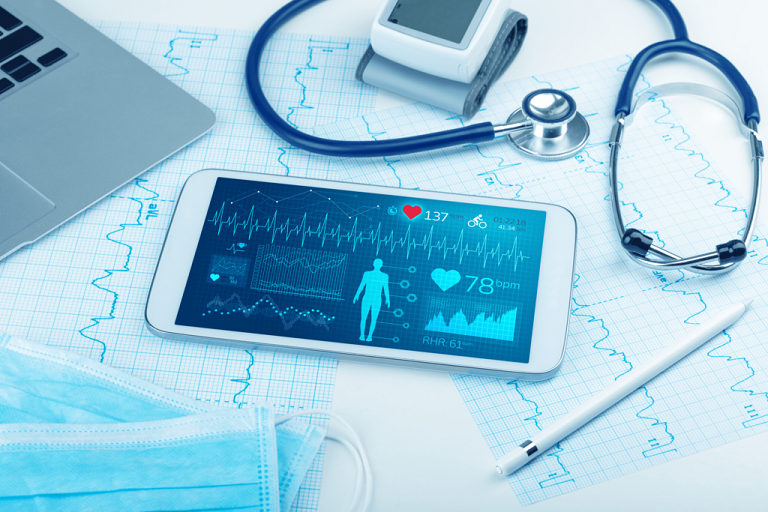
Another reason virtual medicine is becoming increasingly popular is because wearable technology makes it easier for patients to monitor their own vitals and report them to the doctor during appointments. These days, individuals can purchase fitness bracelets, watches, or even rings that track steps, heart rate, calories burned, minutes exercised, and even hours slept. Even basic smartphones now provide basics like step tracking, and some wearable devices can even alert response teams if there is a serious medical issue occurring.


