



































5 Advantages Of Using UV Disinfecting Light
When we talk about UV, it refers to ultraviolet. And it’s a form of electromagnetic radiation with a wavelength of 10nm. Ultraviolet waves are shorter than visible light but longer than X rays. They are present in the sunlight and are also produced by unique lights and electric arcs, for example, black lights.
Since UV light was discovered to be used in disinfection, it has been classified into three: Ultraviolet A (UVA), ultraviolet B (UVB), and ultraviolet C (UVC). UVC usually is used for disinfection.
Since time immemorial other disinfection methods have been used, such as bleach to clean surfaces. Some microorganisms have proven stubborn to get eliminated; that is why using UV disinfecting light has been considered less harmful to humans and is the fastest to eradicate all types of germs.
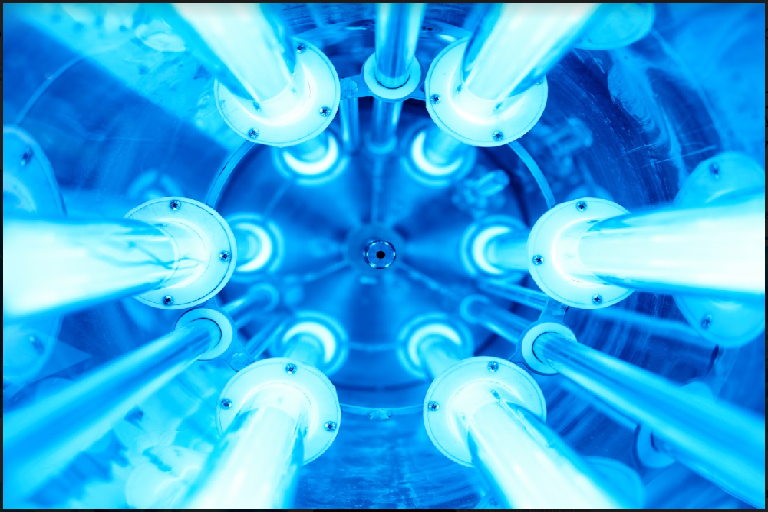
UV light is now used in a wide array of areas in terms of disinfection, from water treatment, commercial use, medical disinfection to infection and hygiene control. Below are various advantages of using UV disinfecting light:
- It Is Considered Less Harmful
It’s to say that UV light disinfection is not toxic. It involves a more physical process and contains no harsh chemicals that could cause detrimental reactions to human beings, unlike some chemicals used in sterilization and disinfection of surfaces and materials, which are typically very severe.
It has been proven to be environmentally friendly. Due to its short wavelength, it cannot cause harm to the skin or the eyes since it cannot penetrate. It gives the advantage of inactivating and penetrating through bacteria and viruses.
UV light is now used in the food industry for sterilization since proven safe. Proper protection of human beings handling UV light is highly encouraged, especially if they are constantly exposed.
- It Is Relatively Cheap
With all the technology UV light uses, unlike chemical disinfectants, one can stop and think that it must be costly to utilize. It’s not true since UV light disinfection is affordable when purchased.
When you invest in UV light disinfection once, it can save you a lot of money and time. It involves less maintenance due to the type of lens it uses. Also, it requires no labor to administer since it works autonomously.
- Fast And Effective Method Of Disinfection
Due to its ultraviolet technology, UV light disinfection uses dry methods, killing many microbes and germs that would last long on surfaces. It includes bacteria, fungi, and molds that thrive in damp areas that other forms of disinfection may not kill, leaving a breeding spree for infections. For instance, the coronavirus was proved to last for days on surfaces, and UV light disinfection was recommended.
UV light is effective when used under slow rate doses for disinfection since it will not cause any harm to people. It has proven to kill spores and microbes in seconds, making it widely embraced in healthcare systems to control infections.
- It Is Ranked Top Compared To Other Disinfection Methods
When we talk about UV light disinfection being ranked high than other conventional disinfection methods, it is superior. Over time we have had bacteria becoming resistant to disinfection, leading to dire consequences in human beings in the health sector.
It has led to the development of antibiotics that are also harmful to the immunity of individuals. Due to the physical method, UV light used in disinfection penetrates the bacteria and kills it in seconds, preventing it from developing immunity against the light.
It is a considerable advantage, mainly if UV light disinfection can be used in hospitals and public areas for disinfection. It is also very advantageous in cleaning the air. The pathogens in the air can quickly mutate and cause a lot of spread.
When combined with air infiltration systems, UV light eliminates germs and microbes from the air, making it very safe for use in high-risk patients.
- Easy To Use And Handle
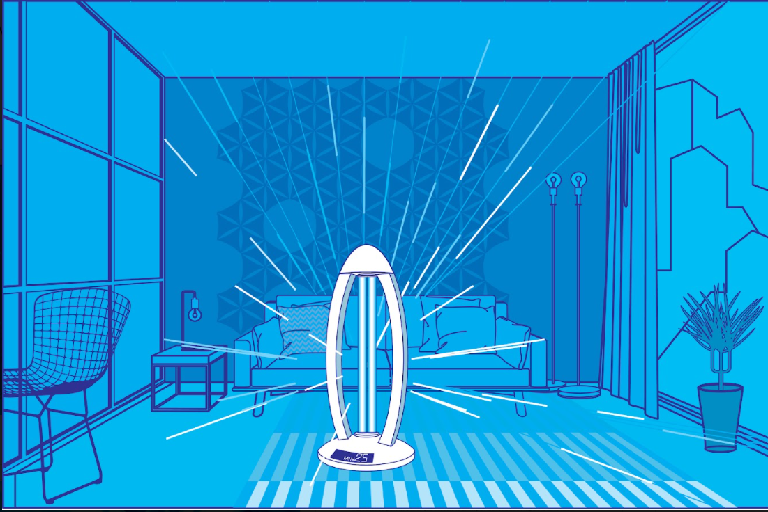
Using other disinfection methods can be tedious and cumbersome since they must be transported to the required place. UV light disinfection comes with the advantage of being installed in rooms or buildings.
Hence, it will save a lot of energy since it is not portable. For example, sterilization of guest rooms or Operation Theatre rooms can be installed in the rooms and be switched on for sterilization before the space is used.
UV light disinfection will not involve a person supervising the work as the machine will carry out the tasks efficiently with such technology.
Conclusion
Finally, UV light disinfection is inevitably safe for human use and the environment. It uses a combination of highly skilled technicians to fully eradicate germs and microorganisms from both surfaces and the air. With its use widely, infections will be kept at bay, and less cost will be spent in the health sector, making the world a safe environment to dwell.


