









































Events Calendar

Mon
Tue
Wed
Thu
Fri
Sat
Sun
M
T
W
T
F
S
S
25
27
28
29
1
3
5
6
7
8
11
13
15
17
18
19
20
21
22
24
25
27
28
29
31
1
2
3
4
5
3rd International conference on  Diabetes, Hypertension and Metabolic Syndrome
2020-02-24 - 2020-02-25    
All Day
About Diabetes Meet 2020 Conference Series takes the immense Pleasure to invite participants from all over the world to attend the 3rdInternational conference on Diabetes, Hypertension and [...]
3rd International Conference on Cardiology and Heart Diseases
2020-02-24 - 2020-02-25    
All Day
ABOUT 3RD INTERNATIONAL CONFERENCE ON CARDIOLOGY AND HEART DISEASES The standard goal of Cardiology 2020 is to move the cardiology results and improvements and to [...]
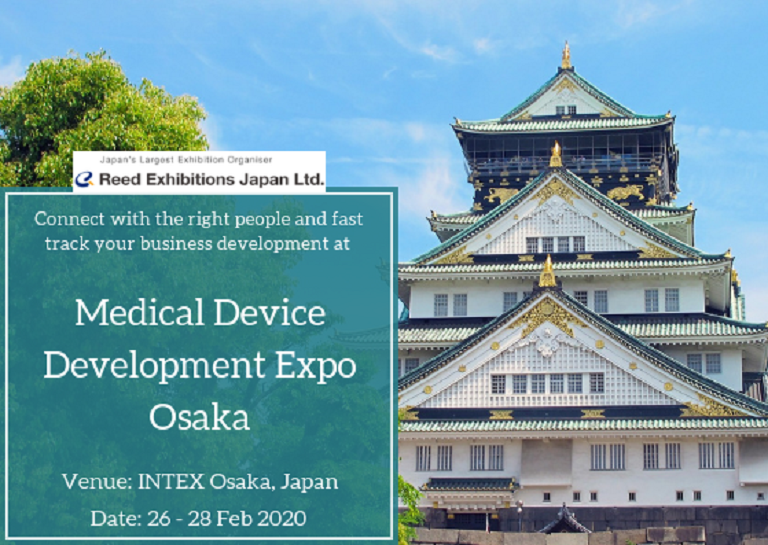
Medical Device Development Expo OSAKA
2020-02-26 - 2020-02-28    
All Day
ABOUT MEDICAL DEVICE DEVELOPMENT EXPO OSAKA What is Medical Device Development Expo OSAKA (MEDIX OSAKA)? Gathers All Kinds of Technologies for Medical Device Development! This [...]
Beauty Care Asia Pacific Summit 2020 (BCAP)
2020-03-02 - 2020-03-04    
All Day
Groundbreaking Event to Address Asia-Pacific’s Growing Beauty Sector—Your Window to the World’s Fastest Growing Beauty Market The international cosmetics industry has experienced a rapid rise [...]
IASTEM - 789th International Conference On Medical, Biological And Pharmaceutical Sciences ICMBPS
2020-03-04 - 2020-03-05    
All Day
IASTEM - 789th International Conference on Medical, Biological and Pharmaceutical Sciences ICMBPS will be held on 4th - 5th March, 2020 at Hamburg, Germany . [...]
Global Drug Delivery And Formulation Summit 2020
2020-03-09 - 2020-03-11    
All Day
Innovative solutions to the greatest challenges in pharmaceutical development. Price: Full price delegate ticket: GBP 1495.0. Time: 9:00 am to 6:00 pm About Conference KC [...]
Inborn Errors Of Metabolism Drug Development Summit 2020
2020-03-10 - 2020-03-12    
All Day
Confidently Translate, Develop and Commercialize Gene, mRNA, Replacement Therapies, Small Molecule and Substrate Reduction Therapies to More Efficaciously Treat Inherited Metabolic Diseases. Time: 8:00 am [...]
Texting And E-Mail With Patients: Patient Requests And Complying With HIPAA
2020-03-12    
All Day
Overview:  This session will focus on the rights of individuals to communicate in the manner they desire, and how a medical office can decide what [...]
14 Mar
2020-03-14 - 2020-03-21    
All Day
Topics in Family Medicine, Hematology, and Oncology CME Cruise. Prices: USD 495.0 to USD 895.0. Speakers: David Parrish, MS, MD, FAAFP, Alexander E. Denes, MD, [...]
International Conference On Healthcare And Clinical Gerontology ICHCG
2020-03-14 - 2020-03-15    
All Day
An elegant and rich premier global platform for the International Conference on Healthcare and Clinical Gerontology ICHCG that uniquely describes the Academic research and development [...]
World Congress And Expo On Cell And Stem Cell Research
2020-03-16 - 2020-03-17    
All Day
"The world best platform for all the researchers to showcase their research work through OralPoster presentations in front of the international audience, provided with additional [...]
25th International Conference on  Diabetes, Endocrinology and Healthcare
2020-03-23 - 2020-03-24    
All Day
About Conference: Conference Series LLC Ltd is overwhelmed to announce the commencement of “25th International Conference on Diabetes, Endocrinology and Healthcare” to be held during [...]
ISN World Congress of Nephrology 2020
2020-03-26 - 2020-03-29    
All Day
ABOUT ISN WORLD CONGRESS OF NEPHROLOGY 2020 ISN World Congress of Nephrology (WCN) takes place annually to enable this premier educational event more available to [...]
30 Mar
2020-03-30 - 2020-03-31    
All Day
This Cardio Diabetes 2020 includes Speaker talks, Keynote & Poster presentations, Exhibition, Symposia, and Workshops. This International Conference will help in interacting and meeting with diabetes and [...]
Trending Topics In Internal Medicine 2020
2020-04-02 - 2020-04-04    
All Day
Trending Topics in Internal Medicine is a CME course that will tackle the latest information trending in healthcare today.   This course will help you discuss options [...]
2020 Summit On National & Global Cancer Health Disparities
2020-04-03 - 2020-04-04    
All Day
The 2020 Summit on National & Global Cancer Health Disparities is planned with the goal of creating a momentum to minimize the disparities in cancer [...]
Events on 2020-02-26
Events on 2020-03-02
Events on 2020-03-09
Events on 2020-03-10
Events on 2020-03-16
Events on 2020-03-26
Events on 2020-03-30
Events on 2020-04-02
Events on 2020-04-03
Articles

5 Methods Hospitals Use To Prepare for Handling Natural Disasters

prefilled syringe

5 Methods Hospitals Use To Prepare for Handling Natural Disasters

One of the most important pieces of infrastructure during a natural disaster is a hospital, but hospitals are just as vulnerable to natural disasters as any other building. Here are five methods hospitals use to prepare for handling natural disasters.

1. Employee Training

All hospital staff, from doctors to janitorial staff, should be made aware of any disaster preparedness protocols and go through both basic training and training specific to their positions. Online training courses and lectures can be made available, and staff can go through in-person training scenarios such as evacuation and lockdown drills. Training in emergency first aid may also be helpful for non-medical staff.

2. Backup Power Supplies and Systems

A backup power supply is essential for hospitals weathering natural disasters. Because so much of the equipment necessary for testing, providing treatment and stabilizing patients requires electricity to run, and because a significant percentage of that equipment is life-saving, hospitals must be able to keep their equipment online and powered up even in the event of a disaster. Additionally, different disasters can affect power supplies and technology in different ways, so hospitals must prepare different methods of keeping their equipment running. For example, a hurricane may disrupt power lines, so hospitals should have some kind of uninterruptible power supply available, while something that could cut power lines entirely, such as an earthquake, may require a longer-term solution, such as backup generators.

3. Disaster Preparedness Plans

While a hospital in the midwest may not have to deal with a hurricane and one in the northeast may be unlikely to encounter tornadus, these facilities still need to create disaster preparedness plans for a wide variety of scenarios, both common and uncommon. Lockdown protocols need to be drawn up in case of severe storms, flooding or earthquakes. Evacuation plans will need to be put in place for events such as fires. In a hospital, these plans tend to be much more intricate than they are for other facilities, due to the nature of the work done in hospitals. While in a corporate office, most people could file out of the building by themselves, hospital patients may be hooked up to equipment, in the middle of a test or simply unable to move on their own. All of these and other scenarios require staff coordination to ensure patients are kept safe in the event of an emergency. Additionally, healthcare providers must be able to provide any critical or necessary care even during an emergency event, such as patients who require life-sustaining treatment like respirators.

4. Supply Stockpiles

A hospital should have emergency supplies stockpiled in case of natural disaster. The typical recommended supplies are necessary, such as food, potable water and light sources. Hospitals should also keep emergency supplies of all disposable medical equipment, such as personal protective equipment, tools and medical instruments, such as syringes, and treatment supplies, such as blood bags and medications.

5. Implementing Crisis Care Standards

Even in a crisis, patient care is considered to be of utmost importance. That said, in the event that a natural disaster creates too much patient volume for the staff or equipment to handle at once, a system of triage may need to be implemented where patients who could normally receive care fairly quickly, for example, those with broken bones, may need to wait longer so patients with more severe injuries can be cared for first. Patients who are already being treated at the hospital when a natural disaster occurs must be taken into account as well. For example, any patient not receiving life-sustaining care may need to have his or her treatment put on hold to free up staff and equipment for emergency situations. Crisis care standards may vary by hospital, depending on region and any specialty care centers attached to the hospital.

If a hospital is prepared for multiple kinds of natural disasters, it is more likely to be capable of being used to help people medically affected by those disasters, so it’s imperative that hospitals develop plans and stockpile the appropriate supplies in case of such emergencies.


