





























5 Plant-Based Foods That Can Help Fight Inflammation
Inflammation is a normal part of your body’s immune response. Once your immune system notices that something’s off, it triggers inflammation and directs it at an invading germ, chemical, or allergen to protect your health.
But inflammation can become a problem when your immune system stays revved up, even though it isn’t battling a foreign invader. This is called chronic inflammation, and there are plenty of reasons why this happens—infections that won’t go away, stress, certain medications, and a diet high in refined carbs and sugar, to name just a few. Chronic inflammation can damage many areas of your body, including your heart, joints, and brain. This damage raises your risk of conditions like heart disease, diabetes, and Alzheimer’s.
The good news? Adding anti-inflammatory foods to your daily diet can help—and it’s pretty easy to do! Here, two top registered dieticians give us a rundown of their go-to plant-based inflammation-fighters and how to best enjoy them.
1. Sweet cherries

These little fruits pack a serious anti-inflammatory punch. Sweet cherries, like Bing, Lapin, and Sweetheart, have high levels of anti-inflammatory antioxidants that help fight oxidative stress in your body, says Jessica Cording, M.S., R.D., author of The Little Book of Game-Changers. Oxidative stress, in case you’re not familiar with it, can cause cell and tissue damage along with certain serious health conditions, including cancer and heart disease. A study published in The Journal of Nutrition discovered that eating sweet Bing cherries, for example, can lower inflammatory biomarkers in your body and even help to prevent chronic inflammatory diseases like heart disease, diabetes, arthritis, and cancer.
Even more evidence to support sweet cherries’ cancer-fighting power: One study published in the journal Nutrition and Cancer in 2019 treated breast cancer cells with dark sweet cherry extract in a lab and found that their naturally occurring cancer-fighting agents inhibited the growth of the cancer cells by 50 percent.
2. Tomatoes
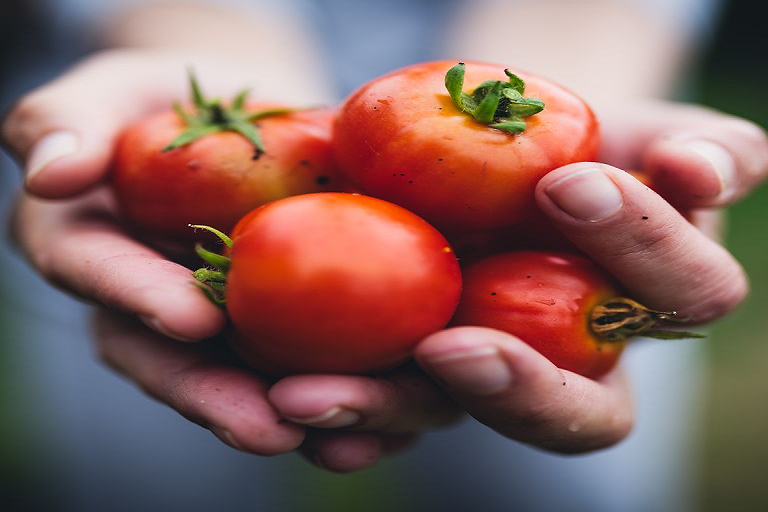
Tomatoes are “rich in antioxidants, especially lycopene, which have anti-inflammatory properties,” says Keri Gans, R.D., author of The Small Change Diet. One study published in the Journal of the National Cancer Institute found that men who had more lycopene in their diets had a lower risk of prostate cancer, particularly aggressive forms of the disease. Another, published in The Journal of Nutrition, found that lycopene strongly prevented the growth and spread of breast cancer cells.
3. Olive oil
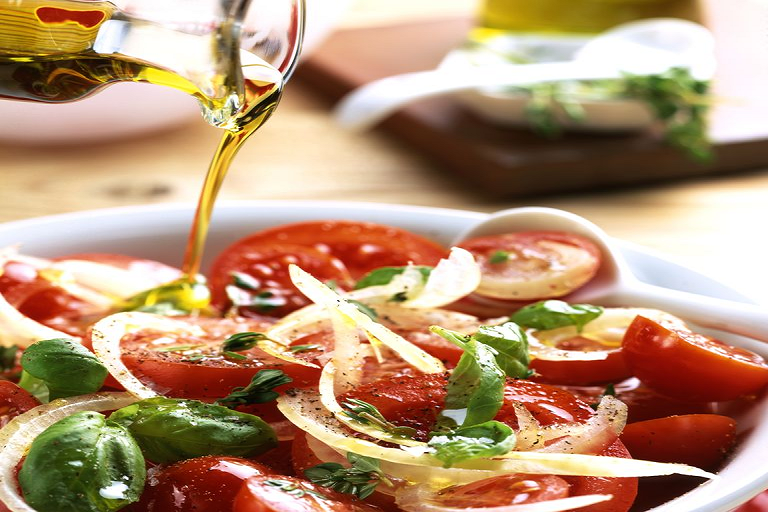
Olive oil contains a phenolic compound called oleocanthal which has anti-inflammatory benefits, Gans says. Research has even compared the anti-inflammatory effects of oleocanthal to ibuprofen.
Need a little more convincing before you swap out butter for olive oil? One study published in the Journal of Epidemiology suggests that oleic acid—which is the main fatty acid in olive oil—can reduce inflammatory markers in the body, which are commonly looked at to diagnose and monitor inflammatory conditions, including infections, autoimmune conditions, and cancer.
4. Nuts
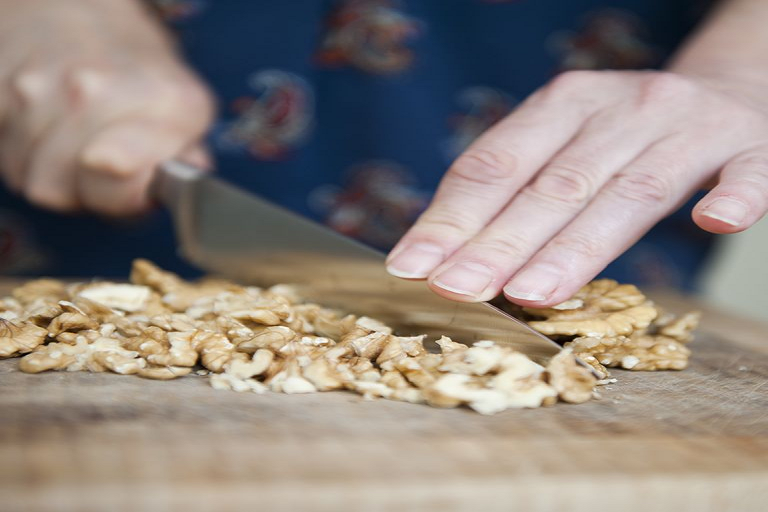
Nuts are rich in vitamin E, which has anti-inflammatory effects, Gans says. “They’re also good sources of plant-based omega-3s, which are helpful in fighting inflammation,” Cording adds.
Walnuts in particular have solid anti-inflammatory properties. A study published in The American Journal of Clinical Nutrition combined data from 26 trials that included more than 1,000 people and found that those who consistently ate walnuts had lower total cholesterol, lower levels of LDL (bad) cholesterol, and lower levels of a protein linked to heart disease than people who ate diets with fewer walnuts.
Walnuts also contain polyphenols (plant-based compounds) called ellagitannins that are converted in your GI tract to molecules called urolithins—and those have been found to help protect against inflammation.
5. Avocados
Avocados have a lot going for them in the anti-inflammatory department. They’re a good source of vitamins C and E, and provide omega-3 fatty acids, Gans points out. “They also contain monounsaturated fats, beta carotene, lycopene, and manganese, which all have antioxidant properties,” Cording says.
A cool study published in the journal Food & Function in 2013 analyzed inflammatory markers in the blood of study participants after they ate a hamburger with or without about two ounces of avocado. Afterward, the researchers discovered that the avocado group had lower levels of inflammation than those who had plain hamburgers.


