





























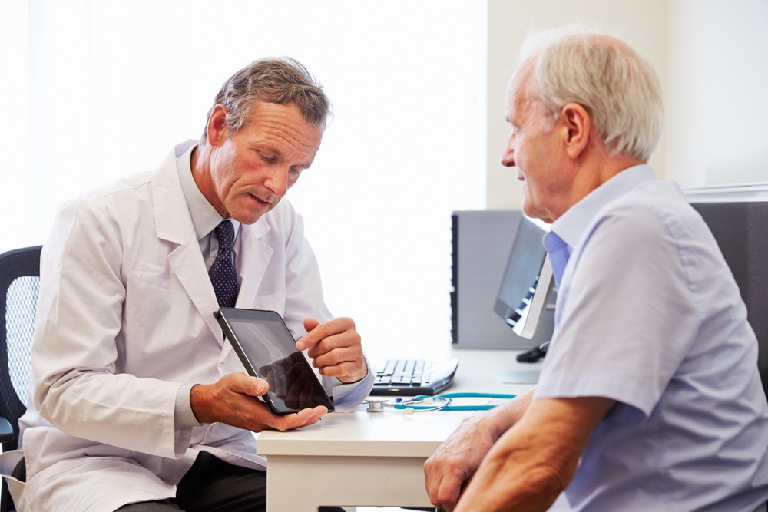
5 Tips To Improve Your Relationship with Your Patients
Bedside manner is an incredibly important skill for healthcare providers to develop, but it can fall by the wayside compared to all the other responsibilities providers have. Here are five tips to improve your relationship with your patients.
1. Listen Actively
Listening doesn’t just mean hearing your patient out or listening to his or her heartbeat or breathing. You must actively listen to and engage with your patient. Try to understand your patient’s unique situation, what he or she is concerned about and what his or her thoughts on the reason for the appointment are. By doing this, you can assess your patient’s emotional and intellectual needs as well as his or her physical needs. You can help your patient understand more about the issue he or she is dealing with and refer to mental healthcare as well as other courses of treatment.
2. Leverage Technology
One of the best ways to solidify your relationship with your patients is to provide availability more often. However, this is difficult for doctors and other healthcare providers who may have many patients and responsibilities, so you can use technology to supplement this. There are patient portals which allow patients to access their medical records, test results and charts. Patients can also send direct messages to their doctors, technicians and nurses at any time of the day or night to ask questions or check on tests. This way, you can provide your patients with a direct line to your practice without overwhelming yourself. You can also provide helpful resources on the portal, such as relevant medical news or resources for specific concerns or conditions the patient is dealing with. There are many different software solutions available, some of which may work better for some medical practices than others. It’s up to you and your staff to figure out what type works best for your practice. For example, you can use a crm comparison chart to decide on the best Customer Relationship Management software to use.
3. Get To Know Patients
General practitioners and specialists for long-term conditions in particular can benefit from taking the time to get to know their patients. If you take the time to learn your regular patients’ names and treat them as individuals, it can make them feel much more comfortable around you and more like you see them as people rather than conditions. When your patient returns, whether for a routine checkup or a specific issue, show that you remember him or her, even if you just address the patient by first name.
4. Remain Composed
Healthcare appointments can be quite stressful, whether they’re routine or not. While being compassionate with and validating your patients is important, you must also be composed, especially when delivering news your patient might not want to hear. You should try to reassure patients when something bad happens to them and be a calm, optimistic presence when discussing treatment and care options with them. If you’re composed, you can help to keep your patient steady and calm.
5. Validate Your Patients
Don’t tell your patients what you think they want to hear, but make sure you don’t come off as cold or uncaring when you inform them of your findings and treatment plans. The extremes of avoiding telling a patient that he or she has cancer or telling the patient that he or she has absolutely nothing to worry about because your treatment will definitely cure the cancer both invalidate the patient’s feelings. You must give your patient straight answers, be prepared to answer any questions or concerns and be ready to handle his or her reaction, whether your news is good, bad or neutral.
Trying to protect your patient or treating him or her like glass will only hurt your relationship and make it more difficult to work with your patient. While not essential to treating a patient, bedside manner is essential for helping your patients feel at ease and cooperative.


