





























5 Ways Hospitals Can Meet Patients’ Nonmedical Needs
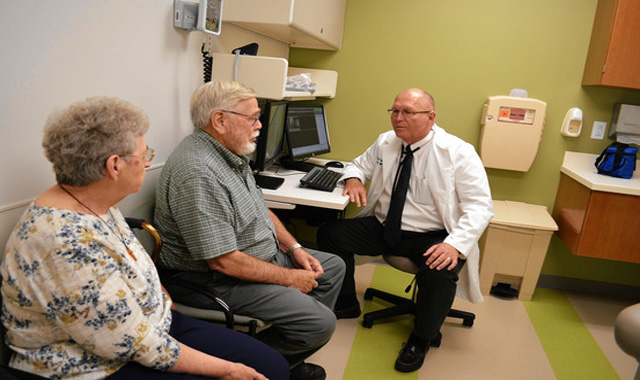
Unless you’re used to working in one, a hospital can often be a frightening and overwhelming place for people. Even if you’re there for a happy reason, such as having a baby, the hospital environment can be intimidating. Many hospitals are difficult to navigate if you’re visiting, and if you’re staying for an extended period, not having easy access to personal and comfort items can take a mental toll. A hospital system that desires effective outcomes must consider how to support their patients holistically rather than limiting care to the immediate medical concern. Here are five ways that hospitals can meet their patients’ nonmedical needs in order to provide a more positive experience.
1. Provide Guidance
Supporting visitors directly impacts the well-being of patients. Family and friends are less likely to visit if they have a negative experience when trying to find their loved one’s room. When a visitor presents to the check-in desk, have a staff member provide a physical map of the hospital and highlight the route that that person will take to their destination. Tell the visitors who they can ask for help along the way and clarify any protocols that exist for accessing certain wards or checking in at the nurses’ station. The attention to detail demonstrates care for the patient which will be appreciated by the visitors.
2. Stock Specialty Items
Gift shops in hospitals often provide more than snacks and water for visitors. Many carry baby items, balloons, stuffed animals, and basic clothing items that can be purchased as gifts or as necessities. But more are starting to stock specialty items such as gourmet foods, coffees, and teas, cozy clothes such as an Aran sweater, or gift baskets that can be personalized. When people have long hospital stays—and especially if they live far away—having easy access to specialty items that are otherwise difficult to get without leaving the hospital can make their stay a bit more comfortable.
3. Offer Extras
When a patient knows that they are going to have an extended hospital stay, they might pack some familiar comfort items such as their favorite blanket and pillow or a preferred lotion or shampoo. But some people end up having an unexpected hospital stay and, in those situations, it is often overwhelming to try and hurriedly collect everything from home that you might need. Hospitals can stock extra blankets, pillows, sweaters, socks, and nonperishable snacks and water in patients’ rooms. This simple gesture helps to provide a sense of independence and comfort. Access to these basic comfort items make the patient more comfortable because then they’re not worrying that they’re bothering the nurses with non urgent matters that would, nevertheless, improve their stay.
4. Slow Down
Hospitals are busy places. Doctors, nurses, CNAs, and janitorial staff often seem to be running from place to place as they try to keep up with all of their tasks during a shift. However, for a long-term hospital patient, depression as a result of anxiety, loneliness, or as a side effect of some medications can inhibit recovery. Someone taking a couple of extra minutes to talk to a patient about something beyond their basic needs can boost emotional wellness and speed recovery.
5. Encourage Involvement
Most hospital staff recognize how challenging it is to have to stay long term after a surgery or due to an illness. They work to make the environment as cheery as possible by decorating the halls and rooms seasonally and offering activities that help pass the time. Although these options are offered equally to everyone, sometimes it takes a bit of encouragement to get a reluctant patient involved. Participation in activities can boost a patient’s mood. Encouraging family members to come and participate in seasonal activities with their loved one also helps morale.
A hospital stay can be frightening and disheartening. Hospital systems that take the time to consider and provide for their patients’ well-being beyond just medical necessity demonstrate genuine compassion for the whole person under their care.


