



































5 Ways New Medical Devices Are Changing Health Care
New medical devices are changing health care in the same ways other innovations have done in the past: they give patients new options and help doctors provide better care. They are also improving healthcare costs, providing more accurate information to patients, and even eliminating some risks of surgery. Innovative software also makes it easier for the medical industry to manage safety, quality, and cost. All these are changing the health care industry for the better in the following ways:
Improved Regulatory Business Planning
The regulatory business plan is one of the biggest barriers to innovation in the healthcare industry. With new medical devices and software, much of this burden is lessened. For instance, the regulatory information management system (RIMS) is making it far easier for medical device developers to comply with FDA requirements. RIMS helps you keep track of all your devices, track and review changes to them, and report any issues that may occur during clinical studies. It streamlines the submission of pharmaceuticals and medical devices to regulatory agencies by acting with an automated workflow. RIMS is also providing more accurate tracking of clinical trials, which has helped many companies find the right patients to enroll in clinical trials.
Telehealth
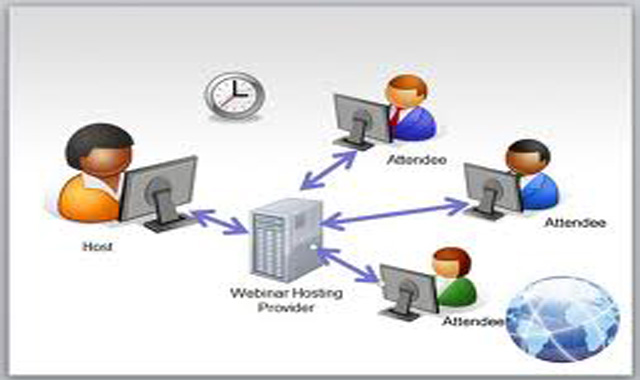
This is one of the most exciting new developments in the medical field. Telehealth uses new technologies to provide patients with convenient options for treatment and healthcare delivery, no matter where they live. New software makes electronic records accessible, allowing physicians to access them from afar and even helping train foreign doctors over long distances. Telehealth enables remote monitoring of patients, helping them stay close to home instead of traveling to a clinic or hospital. It also allows patients and their doctors better access to medical specialists.
Improved Quality and Safety
More advanced medical devices often result in a higher quality of care, whether in the surgical process or with drugs. For instance, new technology can detect and prevent harmful infections, reducing the cost of medication and consequently lowering healthcare costs. New software can also help reduce the risks of surgery by giving doctors a more accurate view of the tissues they are working on. This can help reduce the risks associated with complications during surgery.
Safer Drug Delivery
New implants and devices are being made more efficient at delivering drugs to the body. This is especially important for surgeries that require long-term drug delivery, such as chemotherapy or heart surgery. By using new systems, less medication can be delivered at one time, which makes it easier to prevent side effects and reduces the risk of medication incompatibility. This helps improve the quality of care and ensures that every patient gets their medication exactly when needed. For example, new pharmaceuticals are being made to prevent the body from metabolizing certain medications, so the drugs continue to stay active in the body for a long time. Medications can also be designed with sensors to help ensure safe delivery. A new prototype glucose sensor will monitor blood sugar levels in people with diabetes and deliver a medicine compatible with their type of diabetes.
Improved Efficiency
To the doctor, all medical devices and new software are helpful tools to improve patient care. But to the manufacturer, managing and maintaining these medical devices is a major cost for every device. With electronic medical record systems, it is easier to track improvements, and with new software, it is easier to diagnose problems remotely. In addition, new devices allow physicians to provide patients with more accurate information about their current condition and their risk of disease progression. This helps doctors suggest the best treatment alternatives before surgery or implantation of a device is needed. For instance, doctors can now predict the outcome of a patient’s surgery using more advanced software and new medical devices by determining their baseline health condition, age, and other important factors.
Conclusion
New medical devices are not just changing how patients receive health care, but they are also changing how health care is delivered. New software improves communication between doctors, hospitals, and insurance companies, making health care more efficient and cost-effective. Medical device developers are also using new software to manage regulatory information. This makes it easier for developers to meet FDA requirements for clinical trials and for post-marketing activities like reporting adverse events. In addition, telehealth software is making it easier for medical professionals to give patients better access to medical specialists and more convenient care options.


