

































5 Ways the Healthcare Industry Is Integrating Smart Technology
Technology is an integral aspect of healthcare and medicine. Smart technology in particular is making medical care safer, simpler and faster. Here are five ways the healthcare industry is integrating smart technology.
1. Cloud-Based and Cloud-Native Computing
The cloud and applications housed within it provide much of the basis for smart technological development. Using the cloud, you have the ability to store almost limitless amounts of data in one centralized location, such as a DCIM, or data center infrastructure management tool, and anyone with the proper credentials working in your healthcare system can access the data he or she needs from anywhere, using any device.
2. Artificial Intelligence (AI) and Machine Learning
AI and machine learning can be leveraged in nearly all areas of healthcare. These algorithms are particularly adept at collecting data and learning patterns, which means they can be applied to robots performing certain types of surgical procedures in addition to their typical usage in data centers and predictive modeling. Hospitals and other healthcare facilities are utilizing machine learning algorithms for predictive medicine, which analyzes a patient’s lifestyle, environment and genes to determine highly individualized healthcare strategies. It can also be leveraged to help healthcare providers analyze patient data and make decisions regarding diagnosis and treatment more efficiently and accurately, as well as to provide better cybersecurity for your digital data and your patients’ medical records.
3. Wearable Technology
The healthcare industry has long employed wearable technology to assist patients with chronic conditions or long-term treatment regimens. Such technology has traditionally included pacemakers, ports for long-term intravenous medication and other types of implants. With more sophisticated digital and smart technology, wearable medical tools are becoming more common, both for treatment and preventive purposes.
Many people now wear watches that monitor physical activity, sleep cycles and weight loss. Versions of these devices may be useful for people with chronic conditions, such as diabetes or heart disease, to more easily monitor their vitals and the levels of certain hormones throughout the day, helping them keep track of their diseases and treatments better. Those prone to falls, such as the elderly, can wear alert devices that enable them to easily call for help even if they can’t reach a phone. These devices can also collect data on a patient’s vitals over time so his or her healthcare provider can study long-term trends and adjust treatment accordingly.
4. The Internet Of Things (IoT)
IoT is the term used for networks made not just of computers but of several smart devices capable of connecting to the internet. These can include smartphones, smart speakers, smart televisions and other devices. IoT is particularly useful for collecting and extrapolating user date and monitoring user activity. In a hospital, this is particularly useful for monitoring patients’ vitals and needs. You can connect wearable technology and more traditional devices and sensors to the IoT to ensure patients are adequately monitored and receive care more quickly, efficiently and accurately.
5. Augmented Reality (AR)
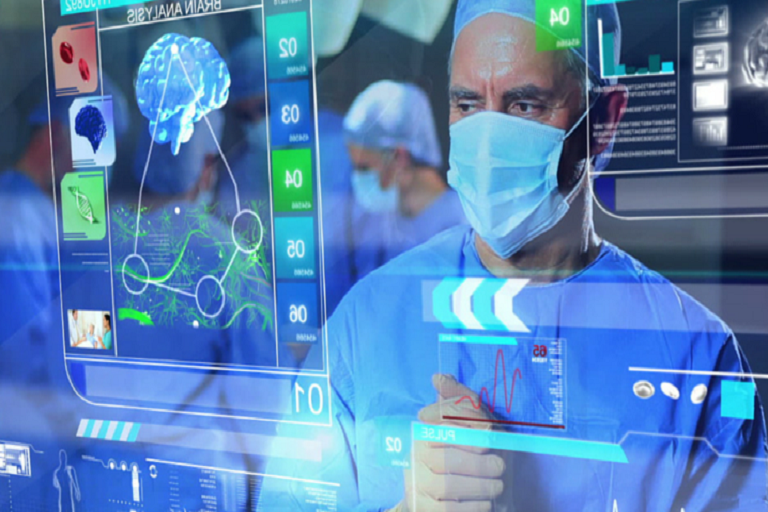
AR is making it easier than ever for healthcare training to be performed safely and as realistically as possible in a simulated environment. Every healthcare provider from nurses to dentists can benefit from AR training simulations. However, AR can also be leveraged in various treatments, tests and assistive technologies. Surgeons can use AR in conjunction with robotics, AI and peers to conduct surgeries fully or partially remotely. Visual enhancement AR programs can help the visually impaired to see the world around them more clearly and realistically. AR is also capable of enhancing various medical imaging results, such as MRIs and CT scans.
Conclusion
These smart technologies are versatile tools and can be applied to medical care in myriad ways, both hands-on and supportive. Smart technology can improve record keeping and research, as well as direct medical procedures such as surgery. It’s vital to continue improving both direct and indirect aspects of healthcare, especially via the application of smart technology.


