
























5 Ways to Help a Loved One Recover from a Stroke
Recovering from a stroke can be a challenging process for most patients. To regain independence typically requires a lot of hard effort, both mentally and physically. That’s why it’s so crucial for stroke survivors to have a loved one by their side while they go through the highs and lows of rehabilitation.
In addition, a stroke can be terrifying for both the individual who has it and their friends and family who have to adjust to a new condition. When someone you love suffers from a stroke, you will most likely need to make modifications to help them recover, which may be permanent or temporary.
Give Emotional Support
Most stroke survivors suffer significant losses that might jeopardize their feeling of independence. This is why, within a year of having a stroke, more than half of all stroke patients suffer depression.
Your loved one’s sadness may manifest itself in a variety of ways. For example, they might get frustrated and irritated or distance themselves from others. You must understand that these feelings are a natural part of the healing process and offer them the assistance they require. Expect them not to act enthusiastic or happy.
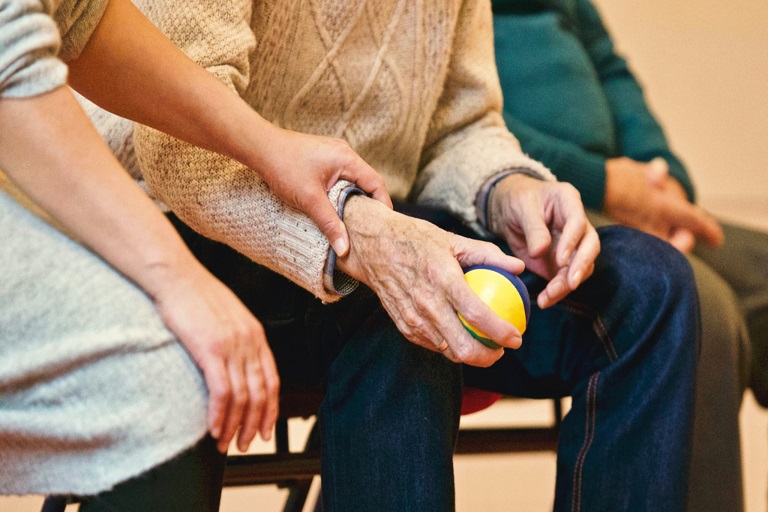
Rather than judging them, be there for them and provide a sympathetic ear. You can also take them to a stroke support group to chat with other survivors and vent their frustrations. For family members, caregiver support groups might be a helpful alternative.
Provide Easy Access to Items in Your House
While the results of a stroke may vary from person-to-person weakness or hemiparesis of the entire side or just the arm or leg is a typical complication. Furthermore, issues with core strength and balance are frequent.
As a result, you may need to modify your house to accommodate your loved ones and provide them with easy access to your home. Therefore, you should consider doing some modifications such as installing a chair in the shower to sit and bathe, moving the person’s bed to the ground floor to avoid having the stairwell, and clearing a path to all the critical rooms in the house.
Unfortunately, after a stroke, accidents are relatively prevalent. Therefore, you should prioritize your loved one’s safety.
Encourage Rehabilitation Exercises
Caregivers might have to persuade their loved ones to attend therapy sessions. Please encourage them to partake in hand strengthening exercises or simple workouts daily. Stroke patients with a frontal lobe stroke frequently have trouble planning and remaining on track. And this may cause them not to take their therapy sessions as often as they are supposed to. But with enough motivation, practice, and assistance, the person can begin to partake in activities.
Break Past Communication Barriers
Many stroke patients, at least momentarily, suffer from some amount of communication difficulties. The extent of the stroke may determine the degree of communicative impairment. Several stroke survivors may be unable to articulate themselves properly, while others may not comprehend when you speak.
Others may be unable to communicate effectively due to paralysis, even if the cognitive part of their speech is intact. Therefore, you need to be patient with them. You don’t need to scream while communicating because they can hear you, but they are experiencing trouble comprehending words as fast as they used to.
Assist the Caregiver
A stroke survivor caregiver may feel alone, as though the victim’s rehabilitation is entirely dependent on them. Caregivers may be exhausted, anxious, or frightened, but they may find it challenging to communicate their feelings to people who don’t understand.
It might be exhausting to step into a caregiving position and feel as if you have no one to help you. Thus, if you are not the primary caregiver, lend a hand to the one who is. It will help boost your loved one morale and reduce anxiety and relieve stress on the caregiver.
Final Thoughts
Professionals emphasize the importance of understanding that your loved one will most likely recover naturally over time and can improve even more with therapy. It’s critical to look out for yourself, too, when you’re helping your loved one recover from a stroke to ensure you address any possible symptoms as soon as they show.


