




























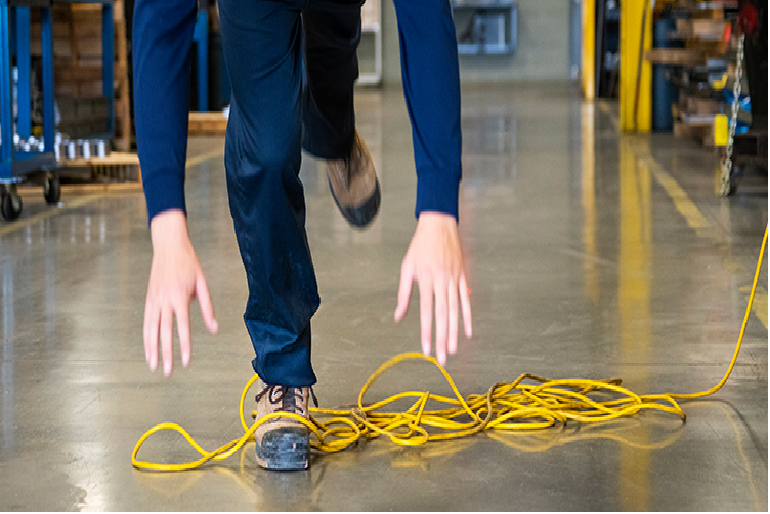
5 Ways To Keep Electrical Wiring Safe
Electricity is an essential function of everyday life. However, it can also be a danger to the health and safety of people and animals if wiring and appliance don’t meet certain standards. Here are five ways to keep electrical wiring safe.
1. Know How Electric Panels Work
When it comes to electrical safety, the wiring is only one part of a system. To ensure the wiring is safe, you also have to ensure all other pieces of the system are safe. You should keep an eye on electric panels, the places where electricity enters your home, have been installed and are working correctly. You should check to make sure the fuses or circuit breakers are the right types and that they’ve been installed correctly. Be sure to learn how to properly replace fuses or reset circuit breakers, too.
2. Make Sure Outlets Are Safe
Outlets are an important piece of a building’s electric system. You should make sure your outlets are the appropriate type for the region in which you live and are grounded. Loose-fitting outlets should be tightened or replaced, as loose covers threaten to expose wiring in the walls and may be shock risks. If you have children, you should purchase outlet covers to prevent the children from sticking anything in the holes and potentially shocking themselves. Be careful not to overload outlets. If you do, the outlet may short out the appliances or overheat and melt the wires, both of which can cause the wires to become exposed or cause fires.
3. Check for Wiring Defects Regularly
Wiring is a particularly weak point in electrical systems. While some wiring is housed within the walls of a building, appliances also use wires, which are more vulnerable to wear and tear that may result in loosening of connections or wearing out of the protective casing. You should check appliances cords and extensions cords regularly. You should also check lighting fixtures and wall sockets periodically. If anything is loose or wires look frayed, deteriorated or compromised in any way, these issues must be addressed immediately. For wiring within walls, you can check for potential issues by listening for sounds like sizzling and popping. Fixtures or switches near the compromised wires may be hot to the touch. If you notice any of these signs, turn off any switches or appliances using the nearest outlets and call an electrician. Wiring defects must be fixed right away because they’re the most common cause of electrical fires in the home.
4. Assess Service Capacity When Upgrading
When you want to upgrade your electrical wiring, you should consult a professional electrician. The electrician can assess your service capacity and upgrade your electricity in the safest and most efficient way possible without overloading your system or disrupting your access to electrical distribution services. If service capacity becomes overloaded, appliances and lights can be destroyed, fuses and circuit breakers can blow or trip and electrical fires can start. An electrician will be able to upgrade your wiring in such a way that it can handle more devices connecting to the electricity service without endangering your life, loved ones or home.
5. Use a Checklist When Working with Wiring
If you choose to or need to work on wiring yourself, you should follow a checklist to make sure you do the work properly. Generally, a checklist will list the proper tools and parts for the work you’re trying to do. It will remind you to first power down whatever it is you’re working on to stop the flow of electricity and not to touch any grounding parts of an electric system. Checklists for simple work may list out the steps to replace a fuse, reset a circuit breaker or replace deteriorated wiring. If you elect to work on your wiring yourself, a checklist can help you keep the work in order and guide you in how to stay safe while working.
Electrical wiring can be dangerous to the health and safety of everyone around it so you must make sure the wiring is secure and meets safety standards and regulations.


