





























6 Details To Look For When Choosing a Diet
Dieting is a regular practice for many people. Its end goal is gaining a healthier body, which prolongs and often betters life. Unfortunately, many eating regiments that have become popularized are extremely unhealthy. These are so rampant that it can sometimes be difficult to tell the good from the bad. So, here are six things to look for when choosing a diet.
1. No Unhealthy Loss of Eating
You may wonder why you shouldn’t eat less during a diet. You’re trying to lose weight, right? Well, unless part of your issue is over-eating, the amount of food is often not the problem. Focus on questions like “Is oatmeal good for weight loss?” instead of “How much less should I eat to lose weight?”. If you were consuming three meals a day, slimming down may be harmful and lead to eating disorders. Instead, try to find a diet that encourages a change in food choices. A person that likes to eat frozen meals doesn’t need to eat less – the meal needs to be healthier.
2. Self Assessment
One of the most essential steps in choosing a diet is understanding yourself. Take a moment to assess your mental and bodily needs. If a diet doesn’t cater to these needs, then it’s probably not right for you. This is especially important if you have medical concerns. A very basic example of this is that a lactose intolerant individual shouldn’t undertake a dairy based diet. Even if the concern is mild, continuously risking any issues with a diet can cause serious problems.
3. Avoidance of Unnatural Pills
It may seem tempting, but you can’t turn to pills for a miracle cure. Healthy weight loss takes time and effort. If you’re losing weight extremely fast, it’s more likely to damage your body than help it. Instead of relying on a dangerous pill, focus on your eating and exercise habits. However, you may consider diets that involve light use of a natural supplement. Do research before taking it, but know that natural ingredients are far less damaging.
4. Lack of Extreme Risks
The last thing you want in a diet is any form of extreme risk. This negates the entire purpose of dieting – making your body healthier. Your goal shouldn’t be to lose weight at any cost – it should be to prolong your life through bodily improvement. Any diet that asks you to make substantial and potentially damaging changes quickly should be avoided. Nothing is worth permanently hurting your body.
5. Balanced Food Sources
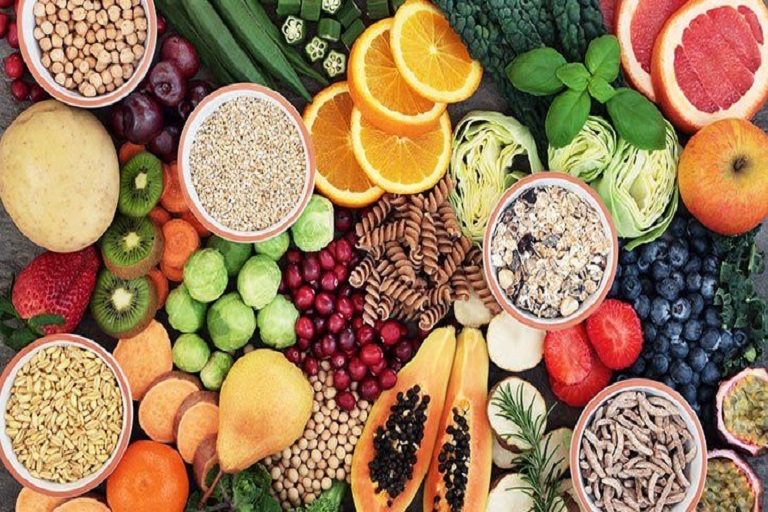
Think back to the food pyramid from grade school. It may seem childish, but its principles hold true. Any diet that supports severely restricted eating habits is probably not healthy. For instance, fad diets that promote meat-only or egg-only meals aren’t providing sufficient nutrients. If your meals provide the correct sustenance to your body, you can be full quicker and more healthy overall. You need vegetables for nutrients, but you also need protein for strength. Look for food plans that provide balance.
6. Ability To Last Long-Term
One of the biggest problems with diets is that most are short-lived. Once a dieter achieves a certain weight goal, the regiment is usually scrapped. This tends to be because the plan was far too difficult to continue. Unfortunately, this often results in a steady decline towards unhealthiness again. Instead of participating in an unhealthy cycle of diets, try finding a plan that you can live with. Even if a diet looks promising, it won’t be long lasting if you can’t stand the experience. This is also true for an unbalanced food plan. Even if you don’t want to give a lifetime commitment, pick a diet that you can cherry-pick essentials from in the long-term.
Eating is a necessity for life, but it can also be the cause of many issues. It’s important to figure out when eating habits should be changed and how the change should occur. Above all, don’t let others control this process. Your health is more important than your public image, so put yourself first and do what’s best for you.


