





































6 Ways Mobile Medical Apps Benefit Patients
Within the span of only about a decade, smartphones, tablets, and similar devices have become ubiquitous. These devices have changed communication to the point that people who do not have them are seen to be at a disadvantage. Smart devices offer powerful connection, communication, and processing capabilities in the palm of your hand. Some health care providers have leveraged this potential to provide better care to patients.
1. On-Demand Visits
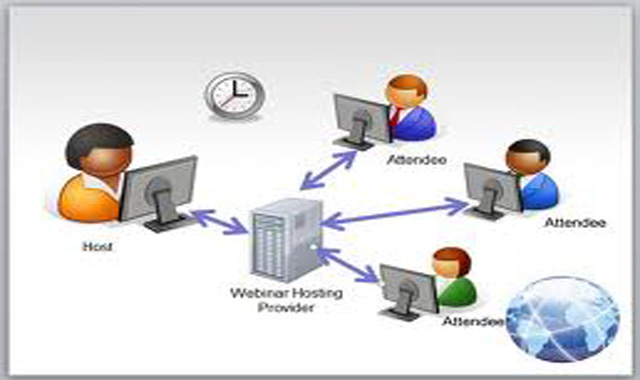
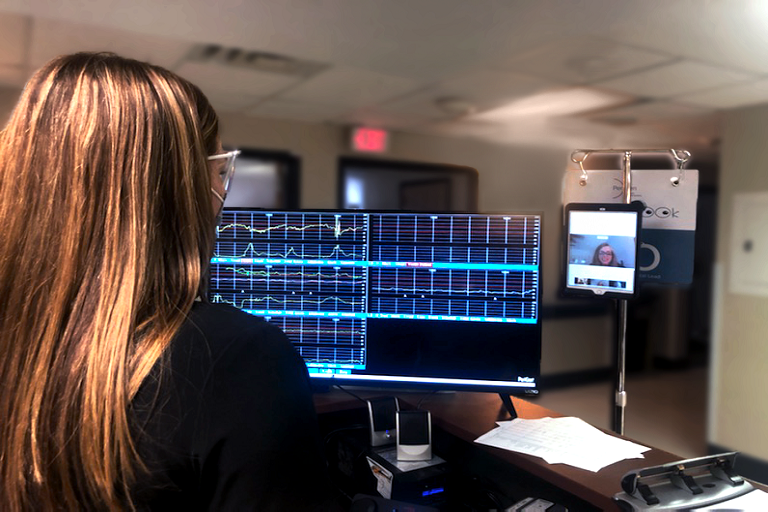
Thanks to the operability developed through CICD, a mobile medical app gives patients the ability to connect with a healthcare professional remotely. This is especially valuable when the patient lives in a distant or rural location from which it is difficult to make it into the doctor’s office for a non-urgent medical matter. Health services by phone have been available for many years, but a medical app can add a video component to the visit that may help the doctor to make a more accurate diagnosis.
2. More Accurate Records
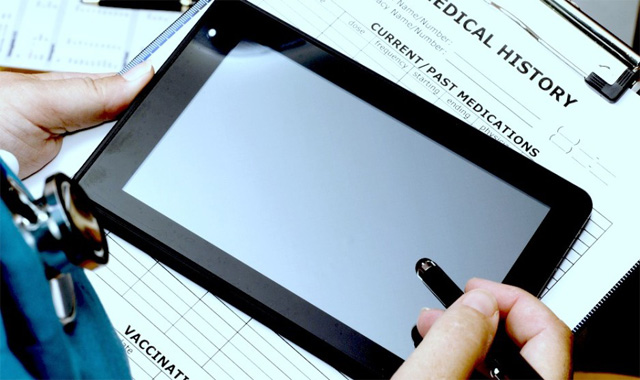
Medical mistakes can occur when a patient’s record is incomplete, contains inaccurate information, or gets lost or mixed up with another patient’s records. A mobile medical app allows doctors and patients alike to view records, correct any errors, and generally stay up-to-date and informed on the individual’s condition. The Health Insurance Portability and Accountability Act gives patients the right to access their own medical records. A medical app allows providers to make this access quick and easy.
3. Lower Costs
Even with health insurance, medical expenses can quickly get out of control for patients. Medical apps can help them get access to routine services, such as prescription refills, without having to schedule an office visit. A telemedicine consultation is much less expensive than one that takes place face-to-face. In fact, a year-long subscription to a health care app may cost a patient less than a single office visit. This is much more cost-effective than requiring patients to come into the clinic for routine issues.
4. Ease of Billing and Payment
Not only do medical apps help to save patients money, they also help to make collecting fees from patients quicker and more efficient. Patients are able to see their bills online and submit payment electronically. If there is a dispute about the bill, it should be a simple matter for patients to get in contact with someone who can help resolve the issue. Providers can choose which of several payment methods they will accept, and patients can make the payment securely due to built-in encryption algorithms.
5. Closer Communication
Medical apps can improve communication between patients and doctors, helping the former receive more useful information and the latter provide better monitoring of the patient’s condition. An app that connects with a wearable device, such as a smart watch or a Fitbit, can send information about a patient’s cholesterol, blood pressure, glucose level, and weight, directly to the patient’s records for the doctor’s review. In turn, the doctor can then send helpful health tips tailored specifically to the patient’s condition through the app via push notifications.
6. Emergency Assistance
Collectively, these services are known as mobile health or mHealth. There is one mHealth service that has been around for a long time, and that is the emergency alert system that allows people who are elderly or have debilitating health conditions to summon help quickly. It is particularly valuable for people who live alone. Medical apps have expanded the capabilities of some of these emergency alert systems.
It is not only patients who can benefit from the use of mobile apps. They also offer many uses to doctors who may use them to consult with other physicians over long distances. In the past, if a doctor wanted another physician to look at a patient’s X-rays, he or she would have to send the physical films to the second doctor’s location by mail or courier. It may be possible to send those images via a smartphone and then discuss them via video chat in real time. Ultimately, this efficient communication benefits patients indirectly.


