






































6 Ways Technology Helps Medicine Develop
Medicine and technology have always been linked. Many technological developments have been leveraged to improve medical advancements and care. Here are six ways technology helps medicine develop.
1. Speeding Up the Research Process
Artificial intelligence (AI) and machine learning are speeding up healthcare providers’ ability to review patients’ medical records and conduct research on diagnostics and treatments. Providers can use an AI algorithm to mine data such as medical records and information on various medical conditions and test results. AI and machine learning can also be leveraged to assist in diagnostics by reviewing information and narrowing down possibilities, developing treatment plans and drugs more quickly and developing insights into what types of treatment would be most effective for a given patient.
2. Improving Record Keeping
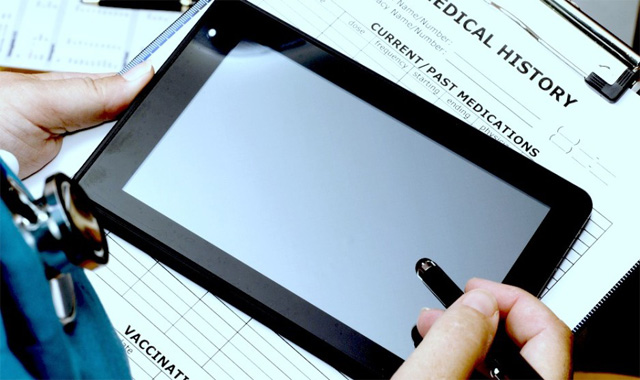
Medical technology isn’t all about developing new treatments and testing methods. Continually upgrading supportive technology is also important. You need to make sure your hospital’s or practice’s computer systems, organizational software and other technological tools are as up-to-date as possible. A developer working on electronic medical record-keeping software might use a python formatter to speed up the process of writing the program, for example. Formatting and editing tools like this can help speed up supportive technology upgrades.
3. Monitoring Healthcare Remotely
There are plenty of remote monitoring technologies and wearable monitoring technologies available that can assist people in having more consistent healthcare coverage and solutions. A wearable device like a Fitbit can help you monitor your habits, such as sleep and exercise, and log your vitals. Similar devices can also be beneficial for monitoring certain chronic conditions, such as heart disease, so your healthcare provider can be more informed when providing treatment or advice. These tools are especially important for people with high-risk conditions or whose conditions may fluctuate drastically or deteriorate quickly. Monitoring technologies can help healthcare providers more quickly realize if something is wrong and provide assistance sooner.
4. Sequencing Genomes
Genome sequencing is one of the foremost technological tools in medicine today. Being able to easily sequence someone’s genome means you can perform preventive medicine more easily and with more information at your disposal. People can get a genetic test performed to search for genes that may predispose them to certain conditions. For example, medical professionals are able to test for a gene mutation called BRCA-2, which predisposes people to a higher risk of breast cancer. Knowing whether you’re positive for BRCA-2 can help your doctor be better informed regarding your preventive medical needs and consistent monitoring.
5. Providing Telehealth Solutions
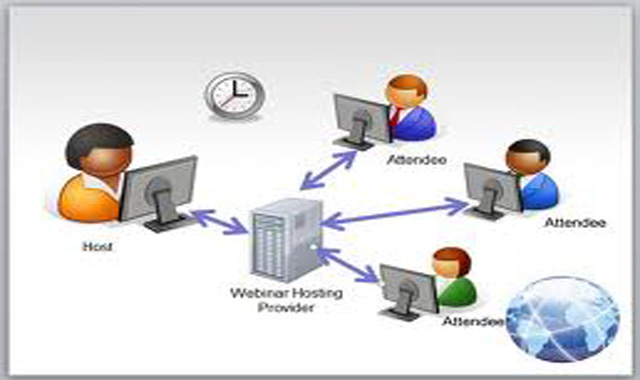
Telehealth opportunities have gotten more popular as internet connections have gotten faster and more powerful. With telemedicine, you’re able to visit your doctor remotely, which can help prevent the spread of disease if you’re concerned you may have a transmissible illness, such as the flu. Instead of sitting in the waiting room, you can see your doctor from home, where you’re more comfortable and less likely to spread germs. Telemedicine also helps connect rural areas to better, more consistent medical care. People living in these areas won’t have to travel as far to gain access to healthcare.
6. Making Surgery Easier on Patients and Surgeons
Technological developments are making it easier for surgeons to perform various types of surgery and helping patients’ recovery periods be easier and shorter. Virtual reality programs enable surgeons to practice and train in realistic surgery situations more often and in safer, more controlled environments. Tools such as lasers and nanotechnology can make certain operations faster and less painful. They can also ensure incisions are smaller and more manageable while they heal. Nanotechnology can even make formerly invasive procedures, such as colonoscopies, non-invasive with the use of microbot cameras.
There will always be a need for people to make advancements in medical technology, from developing better, safer treatments for various ailments to speeding up the time it takes to manufacture medications and vaccines. Technology is imperative to ensure improvements in medicine and healthcare continue to be made.


