

































8 Ways Technology Is Changing the Healthcare Industry
If you’ve been alive for more than a couple of decades, you have seen how technology has completely transformed the world we live in. It has changed the way people work, learn and live their lives in numerous ways and it is also changing healthcare. These are eight ways technology is changing healthcare.
1. Artificial Intelligence
AI algorithms are being used in an increasing number of medical applications, from mining databases, such as the FDA gudid, to creating drugs faster and designing treatment plans. AI technology is being used to search massive databases much faster than other methods to accomplish tasks such as coming up with new treatments for the Ebola virus and new breast cancer analysis techniques. AI technologies make it possible to diagnose and treat patients more effectively and efficiently than ever before.
2. Virtual Reality
VR has many potential applications for both patients and doctors. Because VR can be used to simulate actions, such as performing surgery, from a first-person perspective, it has become a valuable tool for training surgeons on procedures. One study found VR-trained surgeons experienced a 230% increase in performance. It also has applications for hospitalized patients, such as allowing them to virtually travel the world without leaving their hospital bed. Additionally, VR is being used to manage pain by providing distracting or soothing stimuli.
3. Augmented Reality
AR is similar to VR, but instead of replicating or creating a new reality, it enhances existing reality. Because AR enhances reality instead of replacing it, surgeons can use AR to enhance their abilities during actual surgical procedures. It also has applications in education, where medical students are using technologies, such as the Microsoft HoloLens, to learn about human anatomy without the need for actual cadavers. Medical technology companies are also working on ways to use AR for therapeutic applications.
4. Wearables, Trackers and Sensors
Once a novelty, wearable fitness trackers have become commonplace for tracking steps, heart rate, sleep and other health-related metrics. These devices are helping people manage their weight, sleep better, monitor blood pressure, reduce stress, improve cognition and more.
5. Handheld Medical Devices
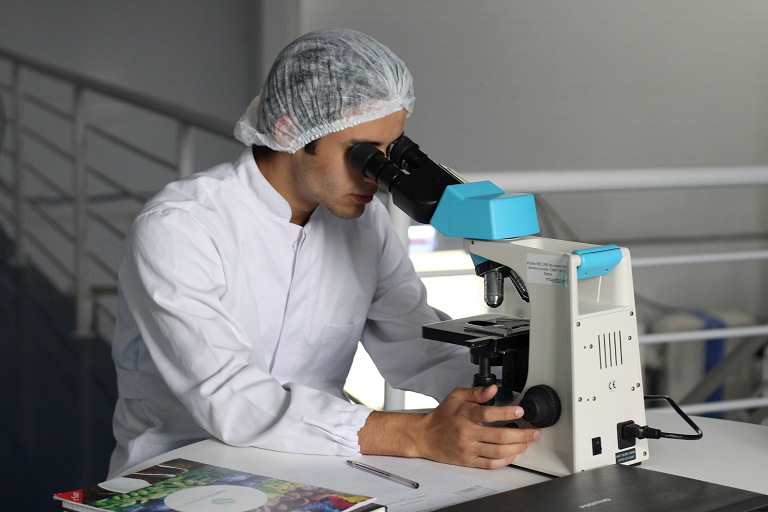
The idea of a handheld device that could be used to scan a patient and diagnose any illness was once a science fiction fantasy, but new technologies are bringing this idea closer to reality. Devices now exist that can analyze heart rate, ECG, temperature, oxygen saturation, blood pressure, body temperature and more. Technology under development may make it possible for doctors to utilize high-powered microscopes with their smartphones to analyze swab samples and photos, detect DNA abnormalities and look for specific proteins and antibodies.
6. Genome Sequencing
One of the barriers to the regular use of DNA testing in medicine has been the cost. However, new technology is being developed that could eventually make DNA tests less expensive than the blood tests commonly run today. This type of DNA testing could be used to test patients for drug sensitivity, genetic medical conditions and more.
7. Drug Development
Developing new drugs can be a lengthy and expensive process, which contributes to high drug prices at the pharmacy. New technology is drastically shortening the amount of time it takes to develop new drugs and therapeutic solutions. Tech companies are also making progress towards technology that will make simulated medical trials possible, which should make it faster, less risky and less expensive to get new drugs and treatments approved.
8. Nanotechnology
Nanotechnology is already being used for applications such as noninvasive colon exams, where patients swallow a smart pill containing a small camera. Technology is currently being developed to create smart patches that can provide continuous monitoring and stimulate wound healing. Nanotechnology has significant potential for making diagnostic tools more accurate and less invasive.
The healthcare industry is introducing cutting-edge new technology and finding new ways to utilize existing technology to improve patient outcomes. These are just eight of the many ways technology is making an impact.


