




























Summary by EMR Industry:
- Iowa doctors are ahead of the curve in adopting electronic medical records.
- Doctors and hospitals are under increasing pressure to stop using paper records and to switch to electronic records.
- In general, big-city doctors have been quicker to put down their paper records and start using computers to keep track of their patient’s medical problems and treatments.
ORIGINAL NEWS:
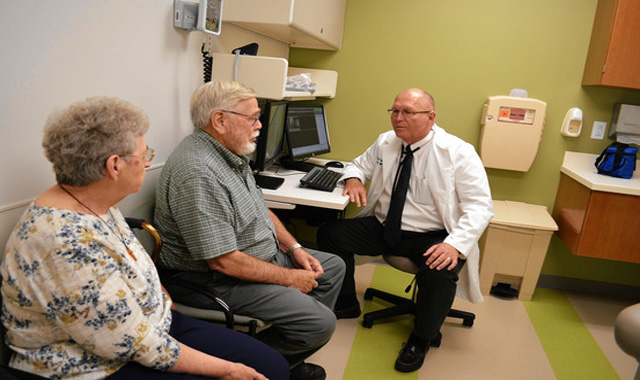
Iowa doctors are ahead of the curve in adopting electronic medical records, an industry leader said Tuesday.
By the end of this year, 85 percent of family physicians in Iowa are expected to be using some form of the records, compared to about 80 percent nationally, said Dr. Timothy Gutshall, chief medical officer for Wellmark Blue Cross & Blue Shield. “That’s pretty darn good,” Gutshall told scores of health-information professionals at Iowa’s annual “E-Health Summit,” held in Altoona.
Gutshall noted that in general, big-city doctors have been quicker to put down their paper records and start using computers to keep track of their patient’s medical problems and treatments. It makes sense that the trend got a faster start in Iowa’s cities, Gutshall said, because more urban doctors work for big hospital-and-clinic systems, which had more resources to buy and implement the systems. But he said rural doctors and hospitals are catching up.
Doctors and hospitals are under increasing pressure to stop using paper records and to switch to electronic records. Proponents say computerized records can help improve efficiency and quality of care and reduce dangerous medical mistakes. Doctors and nurses can check the records quickly to see what types of care and medication patients have received from other staff, and the computer systems can warn medical professionals if they’re about to administer the wrong drug to someone. Eventually, hospitals from all over Iowa and then all around the country are expected to be able to share records and medical scans with each other, so emergency room staff can determine their exact medical histories.
Gutshall noted that the federal government has paid out nearly $194 million in incentives to Iowa hospitals and clinics to adopt computerized records. To continue receiving such incentive payments, he noted that they would have to show they are using the systems in “meaningful” ways, and are sharing the information with patients and other hospitals and clinics.
Gutshall said the state has reached a tipping point, after which nearly all clinics and hospitals should soon be routinely using computerized medical records. “In essence, we’re really starting to take the excuses away,” he said.


