




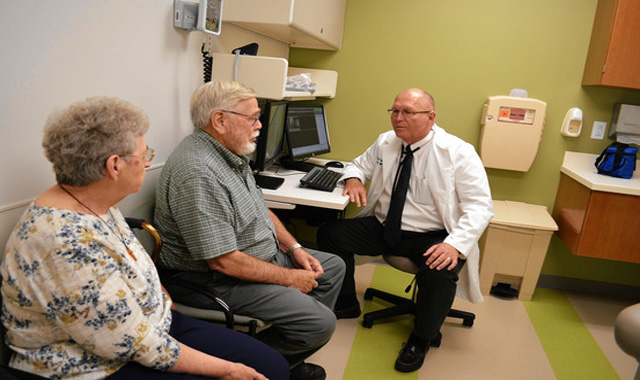






The promise of improving health care through the ready access and integration of health data has drawn significant national attention and federal investment. David Blumenthal (former National Coordinator for Health Information Technology) and Marilyn Tavenner (current Administrator for the Centers for Medicare & Medicaid Services, CMS) have characterized the situation well:“The widespread use of electronic health records in the United States is inevitable. EHRs will improve caregivers’ decisions and patients’ outcomes. Once patients experience the benefits of this technology,they will demand nothing less from their providers. Hundreds of thousands of physicians have already seen these benefits in their clinical practice. But inevitability does not mean easy transition. We have years of professional agreement and bipartisan consensus regarding the potential value of EHRs. Yet we have not moved significantly to extend the availability of EHRs from a few large institutions to the smaller clinics and practices where most Americans receive their health care.” The two overarching goals of moving to the electronic exchange of health information are improved health care and lower health care costs. Whether either, or both, of these goals can be achieved remains to be seen, and the challenges are immense. Health care is one of the largest segments of the US economy, approaching 20% of GDP. Despite the obvious technological aspects of modern medicine, it is one of the last major segments of the economy to become widely accepting of digital information technology, for a variety of practical and cultural reasons. That said, the adoption of electronic records in medicine has been embraced, particularly by health care administrators in the private sector and by the leaders of agencies of the federal and state governments with responsibility for health care. Although the transition to electronic records now seems a foregone conclusion, it is beset by many challenges, and the form and speed of that transition is uncertain. Furthermore, there are questions about whether that transition will actually improve the quality of life, in either a medical or economic sense.
Press Releases

Timeless Medical Systems® appoints Mike Antonelli as VP of Technology to drive next-generation platform innovation

Luma acquires Tonic to support 1,000+ health systems and 100M patients

HealthTree adds Flatiron Health and CareSpace EHR connections

DSS Wins CTM Plus Contract from U.S. Department of Veterans Affairs
Research Papers
Events Calendar
Mon
Tue
Wed
Thu
Fri
Sat
Sun
M
T
W
T
F
S
S
23
24
25
26
27
28
1
2
12:00 AM - Health IT Summit in San Francisco
4
5
6
7
8
9
11
12
13
14
15
16
17
18
19
20
21
23
2:00 PM - How to survive a HIPPA Audit
26
27
28
29
30
31
1
2
3
4
5
Events
A Robust Health Data Infrastructure