



Active and Modified Atmospheric Packaging Market Economic Forecasting, Economic Forecasting of Influencing Players, Strategic Insights
You bought a couple of fresh fruit packets today and save them for a super healthy dinner on the next day. But when you open those packets to gulp your favorite fruit treat, all you get is musty, malodorous, watery fruits that you cannot even think of holding in your hand, let alone eating them. Right, fruits were fresh and packaged when you bought. You even kept them in the refrigerator. What went wrong? The packaging. It matters a lot when it comes to preserving freshness of foods.
AMAP: The Future of Food Packaging
Fresh foods need a certain atmospheric condition to remain fresh for long. Technological advancements in the recent past have effectively delivered a few sustainable food packaging techniques, which promise to keep foods fresh for longer than conventional packages do, without compromising on their palatable and nutritional value. One of such innovative, breakthrough technologies is active and modified atmospheric packaging (AMAP).
Click Here to Get Sample Premium Report @www.trendsmarketresearch.com/report/sample/3543
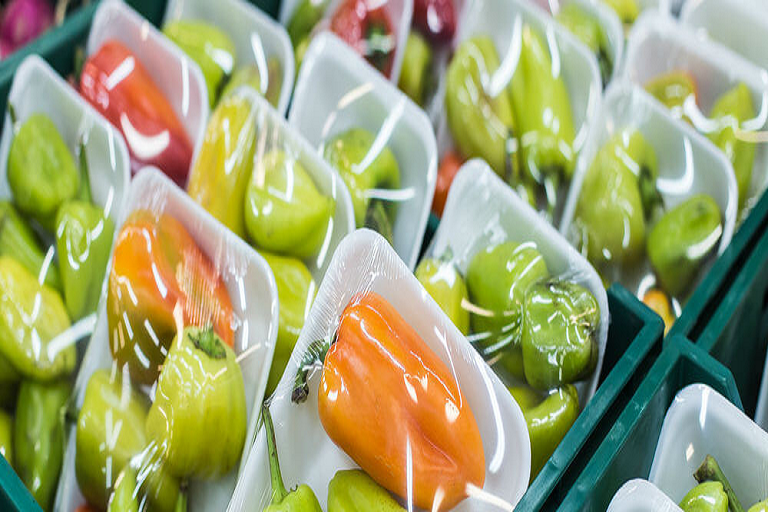
Fruits, vegetables, dairy products, other perishable foods such as fish and meat, and some minimally processed foods always required a reliable packaging technique that would stretch their shelf life, keeping the original freshness, nutritional quality, and taste intact. AMAP is so far the most efficient technology for perishable foods. Studies suggest that the MAP technique astonishingly extends the shelf life of aforementioned foods – around 13 fold, compared to conventional packaging. In addition to extending shelf life of food products, AMAP renders a pleasing visual appeal to packaged foods, and eventually reduces wastage of food. The flexible packaging material consumes lower energy and raw material, reducing overall ecological footprint.
Although the market is currently dealing with a few restraining issues, such as packaging material recyclability and higher initial costs involved in packaging process, market studies indicate an impressive growth of the industry within the next few years. Latest innovations, including self-respiring trays and self-venting microwave packs will further take market to new heights.
Some of the leading players in the global market for active and modified atmospheric packaging are Amcor Limited, Bemis Company Inc., LINPAC Packaging Limited, Coveris Holdings S.A, Sealed Air Corporation, Berry Plastics Corporation, Ilapak International, S.A., Winpak Limited Company, and ULMA Packaging, S. Co.
The Concept
Since active and modified atmospheric packaging actually modifies the air inside the package to meet ideal atmospheric needs of food products, it effectively maintains the initial fresh state of foods for much longer, abating their natural deterioration. Modification of air inside the package however involves a set of gases, including oxygen, nitrogen, carbon dioxide, carbon monoxide, and some others, such as inert gases.
You can Buy This Report from Here @www.trendsmarketresearch.com/checkout/3543/Single
The mixture of gases and atmosphere inside a particular product package depends on a variety of factors – type of product, temperature requirement, gas permeability, and material of the package. The atmospheric requirement of respiring foods, such as vegetables and fruits is entirely different from that of the non-respiring products, including fish, meat, cheese, and dairy. AMAP modifies the in-package environment through adaptation of packaging permeability to product respiration levels. The atmosphere thus created results in elongated shelf life of packaged foods.
Request For Report Discounts @www.trendsmarketresearch.com/report/discount/3543
Market Prospects
Active and modified atmospheric packaging market is currently growing at a steady pace, and the revenues will reach US$ XX Bn in 2018. By 2028 end, it is expected to surpass US$ XX Bn. In order to capitalize on proliferating demand for AMAP technology from food manufacturers, processors, and end-use consumers, leading players in the active and modified atmospheric packaging industry are increasing investments in the technology R&D. Mergers and acquisitions are currently trending in market, along with strategic vertical integration