





Executive Summary
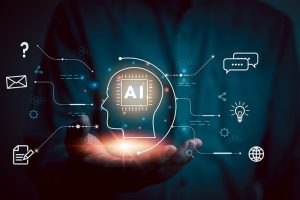
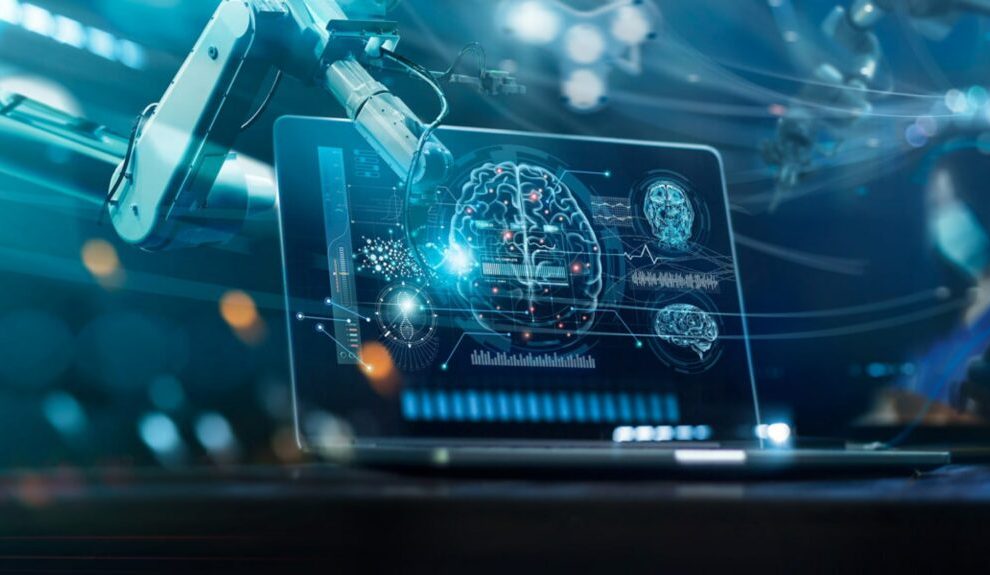
Artificial Intelligence (AI) is revolutionizing healthcare, especially in the realm of clinical decision support (CDS). By analyzing vast datasets and delivering real-time recommendations, AI-powered CDS tools are improving diagnostic accuracy, reducing clinician burnout, and enhancing patient safety. This white paper explores how AI is transforming CDS, current challenges, and how healthcare providers can responsibly implement AI to support—not replace—clinical judgment.
Introduction
Today’s clinicians face a data deluge: lab results, imaging, genomics, EMR entries, and clinical guidelines all demand constant review. Traditional CDS systems, while helpful, often fall short in filtering this complexity. AI introduces a new frontier—smart, adaptive systems that learn from historical data and provide actionable insights in real-time.
Yet with this innovation comes responsibility. Bias, transparency, and integration are pressing concerns. This white paper investigates how healthcare organizations can strategically adopt AI in CDS to enhance care without compromising ethics or trust.
What is AI-Powered Clinical Decision Support?
AI-enhanced CDS systems go beyond rule-based alerts. They leverage:
Machine Learning (ML) to recognize patterns from historical data.
Natural Language Processing (NLP) to extract meaning from unstructured clinical notes.
Predictive Analytics to forecast disease risk and treatment outcomes.
Real-Time Decision Support at the point of care, embedded in EMRs.
Benefits of AI in CDS
1. Improved Diagnostic Accuracy
AI models have demonstrated the ability to match or exceed human experts in interpreting radiology images, pathology slides, and EKGs.
2. Reduced Alert Fatigue
By learning clinician preferences and patient context, AI systems can suppress low-value alerts and prioritize high-risk warnings.
3. Personalized Treatment Recommendations
AI can suggest therapies based on patient-specific data such as comorbidities, genetics, and past treatment response.
4. Workflow Efficiency
Embedded AI tools in EMRs automate documentation, suggest orders, and identify potential adverse events before they happen.
Use Cases
Early Sepsis Detection: AI models analyze vital signs and lab trends to trigger alerts before clinical deterioration.
Medication Reconciliation: AI identifies drug interactions and contraindications based on current medications and lab results.
Cancer Pathology: AI-assisted pathology can analyze digital slides and highlight malignant regions for pathologists.
Challenges and Considerations
1. Bias and Data Quality
AI models are only as good as the data they’re trained on. Skewed or incomplete datasets can perpetuate health disparities.
2. Explainability
Clinicians need to understand why an AI system recommends a course of action. Black-box algorithms erode trust.
3. Integration into Clinical Workflow
If AI tools disrupt workflows or require extra clicks, they won’t be used—no matter how powerful.
4. Regulatory Oversight
AI in CDS must comply with FDA guidelines, HIPAA, and ethical AI frameworks to ensure safety and accountability.
Strategic Recommendations for Implementation
1. Start Small
Pilot AI tools in low-risk areas like administrative automation or triage assistance.
2. Engage Clinicians Early
Include physicians, nurses, and staff in AI selection, testing, and feedback processes.
3. Audit AI Performance
Establish a governance committee to regularly monitor algorithm accuracy, fairness, and clinical impact.
4. Educate and Train
Offer ongoing training so clinicians understand how to use AI tools responsibly and effectively.
5. Ensure Interoperability
Choose AI systems that can integrate with existing EMRs and data pipelines using open standards (e.g., HL7 FHIR).
Conclusion
AI in clinical decision support represents a powerful shift in healthcare delivery. By enhancing—not replacing—clinical expertise, AI can help make care safer, faster, and more personalized. However, thoughtful implementation is key to unlocking its full potential. The future of AI in CDS lies not in hype, but in collaboration between technology and human judgment.