





































































Events Calendar

Mon
Tue
Wed
Thu
Fri
Sat
Sun
M
T
W
T
F
S
S
27
12:00 AM - Arab Health 2020
29
1
7
10
12
14
16
20
23
25
27
28
29
1
Arab Health 2020
2020-01-27 - 2020-01-30    
All Day
ABOUT ARAB HEALTH 2020 Arab Health is an industry-defining platform where the healthcare industry meets to do business with new customers and develop relationships with [...]
12th International Conference on Acute Cardiac Care
2020-01-28 - 2020-01-29    
All Day
ABOUT 12TH INTERNATIONAL CONFERENCE ON ACUTE CARDIAC CARE Acute Cardiac Care has been undergoing a substantial transformation in recent years as the population ages and [...]
30 Jan
2020-01-30 - 2020-01-31    
All Day
The ICMHS conference is an international forum for the presentation of technological advances and research results in the fields of Medical and Health Sciences. The [...]
Annual Lower and Upper Canada Anesthesia Symposium 2020 (LUCAS)
2020-01-31 - 2020-02-02    
All Day
ABOUT ANNUAL LOWER & UPPER CANADA ANESTHESIA SYMPOSIUM 2020 (LUCAS) On behalf of the Departments of Anesthesia of McGill University, Queen’s University, and the University [...]
RF - 577th International Conference On Medical & Health Science - ICMHS 2020
2020-02-02 - 2020-02-03    
All Day
577th International Conference on Medical & Health Science - ICMHS 2020. It will be held during 2nd-3rd February, 2020 at Berlin , Germany. ICMHS 2020 [...]
ISER- 747th International Conference On Science, Health And Medicine ICSHM
2020-02-02 - 2020-02-03    
All Day
ISER- 747th International Conference on Science, Health and Medicine ICSHM is a prestigious event organized with a motivation to provide an excellent international platform for [...]
International Conference On Medical And Health SciencesICMHS-2020
2020-02-03 - 2020-02-04    
All Day
The ICMHS conference is an international forum for the presentation of technological advances and research results in the fields of Medical and Health Sciences. The [...]
Medlab Middle East 2020
2020-02-03 - 2020-02-06    
All Day
ABOUT MEDLAB MIDDLE EAST 2020 Medlab Middle East is the only medical laboratory industry event that offers manufacturers the opportunity to meet a diverse audience [...]
Cloud Architecture Implementation Healthcare 2020
2020-02-04 - 2020-02-06    
All Day
This summit brings together leaders from healthcare organizations to scale up their cloud infrastructure, implement cloud technology and share use cases about the success and [...]
4th Microbiome Movement - Drug Development Summit Europe 2020 - London, UK
2020-02-04 - 2020-02-06    
All Day
A unique forum focusing on pursuing disease causation to foster the creation of targeted Microbiome-based therapeutics, biomarkers and diagnostics. Time: 8:30 am - 5:50 pm [...]
Structural Heart Intervention And Imaging Feb 2020 CME Conference-San Diego
2020-02-05 - 2020-02-07    
All Day
The Scripps Structural Heart Intervention and Imaging conference features live case demonstrations, lectures from renowned faculty, hands-on workshops, and extensive satellite symposia. Time: 7:00 am [...]
Structural Heart Intervention And Imaging Feb 2020 CME Conference-San Diego
2020-02-05 - 2020-02-07    
All Day
The Scripps Structural Heart Intervention and Imaging conference features live case demonstrations, lectures from renowned faculty, hands-on workshops, and extensive satellite symposia. Time: 7:00 am [...]
18th Annual South Beach Symposium
2020-02-06 - 2020-02-09    
All Day
ABOUT 18TH ANNUAL SOUTH BEACH SYMPOSIUM The 18th Annual South Beach Symposium will take place in Miami Beach, Florida from February 6-9, 2020 at the [...]
Primary Care CME In Clearwater Beach, Florida February 2020
2020-02-08 - 2020-02-10    
All Day
Topics include latest hypertension guidelines, cancer screening, cholesterol management, immunizations, COPD, skin and soft tissue infections, etc. Time: 08:00 - 11:00
Primary Care CME In Clearwater Beach, Florida February 2020
2020-02-08 - 2020-02-10    
All Day
Topics include latest hypertension guidelines, cancer screening, cholesterol management, immunizations, COPD, skin and soft tissue infections, etc. Time: 08:00 - 11:00  
World Congress On Medical Imaging And Clinical Research WCMICR-2020
2020-02-09 - 2020-02-10    
All Day
The WCMICR conference is an international forum for the presentation of technological advances and research results in the fields of Medical Imaging and Clinical Research. [...]
Medical Design & Manufacturing (MD&M) West
2020-02-11 - 2020-02-13    
All Day
ABOUT MEDICAL DESIGN & MANUFACTURING (MD&M) WEST Medical Design & Manufacturing (MD&M) West is where serious professionals find the technologies, education, and connections to stay [...]
Third International Conference On Zika Virus And Aedes Related Infections
2020-02-13    
All Day
This Conference will bring together multidisciplinary experts aiming to tackle the challenges that Aedes related infections present including zika, dengue, yellow fever, and chikungunya. Time: [...]
The IRES - 791st International Conferences On Medical And Health Science ICMHS
2020-02-15 - 2020-02-16    
All Day
The IRES - 791st International Conferences on Medical and Health Science ICMHS aimed at presenting current research being carried out in that area and scheduled [...]
4th International Conference on Chronic Diseases
2020-02-17 - 2020-02-18    
All Day
ABOUT 4TH INTERNATIONAL CONFERENCE ON CHRONIC DISEASES It takes immense pleasure to invite you to attend the 4th International Conference on Chronic Diseases (Chronic Diseases [...]
European Gynecology and Obstetrics Congress
2020-02-17 - 2020-02-18    
All Day
ABOUT EUROPEAN GYNECOLOGY AND OBSTETRICS CONGRESS Gynecology 2020 destine to endeavor leading-edge memoranda of eminent keynote speakers, universal personalities, special sessions and poster presentations attracting [...]
18 Feb
2020-02-18 - 2020-02-20    
All Day
Technology Networks is a global online scientific publication that covers the latest research, industry news, and technologies. Our 12 online communities provide focused coverage of [...]
6th International Conference On Food And Beverages
2020-02-19 - 2020-02-20    
All Day
Meetings International Meetings Int. invites you to attend the ‘6th International Conference on Food and Beverages 2020” which is to be held on February 19-20, [...]
10th Global Summit on Neuroscience and Neuroimmunology
2020-02-19 - 2020-02-20    
All Day
ABOUT 10TH GLOBAL SUMMIT ON NEUROSCIENCE AND NEUROIMMUNOLOGY 10th Global Summit on Neuroscience and Neuroimmunology (Neuroimmunology 2020) is aimed at improving health across the globe, [...]
Mayo Clinic Nephrology And Transplantation For The Clinician 2020
2020-02-21 - 2020-02-22    
All Day
Nephrology and Transplantation for the Clinician: 18th Annual Update From Mayo Clinic is a two-day course designed to u-p-d-a-t-e participants on nephrology topics relevant to [...]
28th International Conference on Cancer Research and Pharmacology
2020-02-21 - 2020-02-22    
All Day
ABOUT 28TH INTERNATIONAL CONFERENCE ON CANCER RESEARCH AND PHARMACOLOGY PULSUS Conferences is glad to invite all the participants across the globe to attend 28th International [...]
Rocky Mountain Winter Conference On Emergency Medicine 2020
2020-02-22 - 2020-02-26    
All Day
Each day the conference starts with a hot breakfast followed by engaging, cutting edge didactics led by experts from the countrys top academic programs. Please [...]
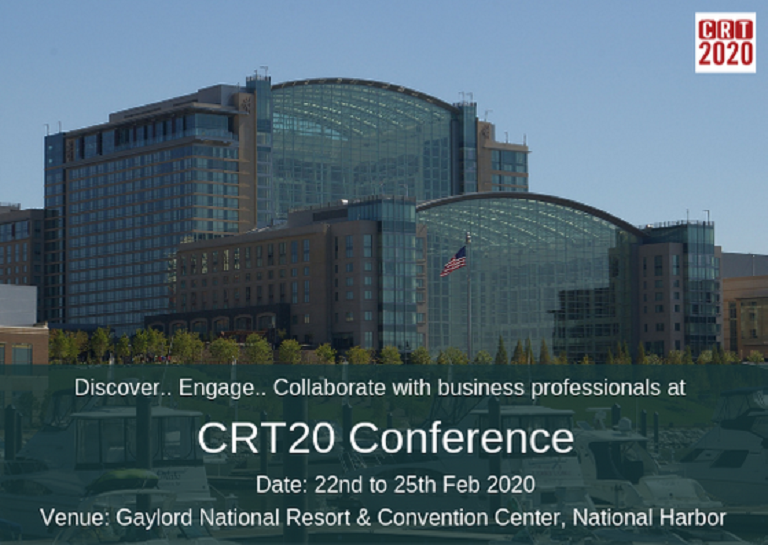
CRT20 Conference
2020-02-22 - 2020-02-25    
All Day
ABOUT CRT20 CONFERENCE CRT, one of the world’s leading interventional cardiology conferences, is attended by more than 3,000 interventional and endovascular specialists. At the 2019 [...]
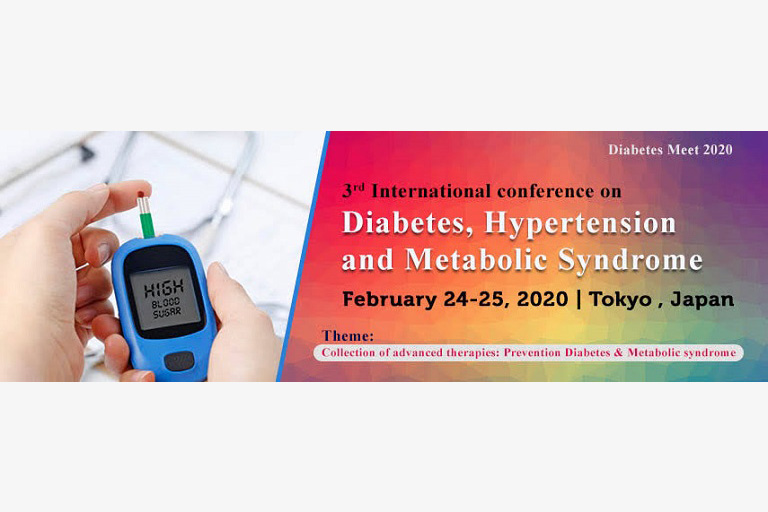
3rd International conference on  Diabetes, Hypertension and Metabolic Syndrome
2020-02-24 - 2020-02-25    
All Day
About Diabetes Meet 2020 Conference Series takes the immense Pleasure to invite participants from all over the world to attend the 3rdInternational conference on Diabetes, Hypertension and [...]
3rd International Conference on Cardiology and Heart Diseases
2020-02-24 - 2020-02-25    
All Day
ABOUT 3RD INTERNATIONAL CONFERENCE ON CARDIOLOGY AND HEART DISEASES The standard goal of Cardiology 2020 is to move the cardiology results and improvements and to [...]
Medical Device Development Expo OSAKA
2020-02-26 - 2020-02-28    
All Day
ABOUT MEDICAL DEVICE DEVELOPMENT EXPO OSAKA What is Medical Device Development Expo OSAKA (MEDIX OSAKA)? Gathers All Kinds of Technologies for Medical Device Development! This [...]
Events on 2020-01-27
Arab Health 2020
27 Jan 20
Dubai
Events on 2020-01-28
Events on 2020-01-30
Events on 2020-01-31
Events on 2020-02-03
Events on 2020-02-06
18th Annual South Beach Symposium
6 Feb 20
Miami Beach
Events on 2020-02-09
Events on 2020-02-11
Events on 2020-02-17
Events on 2020-02-18
18 Feb
Events on 2020-02-22
CRT20 Conference
22 Feb 20
National Harbor
Events on 2020-02-26
Articles

AI at Scale: European Healthcare Playbook

EMR Industry

September 30, 2025 – Pierre Socha

Healthcare systems around the world are under severe strain. Aging populations, rising costs, and persistent workforce shortages are pushing hospitals and clinics to their limits. The World Health Organization (WHO) projects a global shortfall of 11 million health workers by 2030. In the U.S., healthcare spending is expected to approach 20% of GDP by 2031, while 63% of physicians report experiencing burnout. These challenges are not hypothetical—they are urgent and escalating.

Modernizing healthcare is no longer optional. The path forward requires a system focused on prevention, driven by technology, and designed for resilience. Artificial Intelligence (AI) sits at the heart of this transformation.

While AI continues to inspire both excitement and skepticism outside tech labs and research centers, the question of whether it belongs in healthcare is no longer relevant. What truly matters is whether we can afford to wait—and how startups and entrepreneurs can reinvigorate healthcare systems before it’s too late.

Augmentation, Not Replacement
Let’s start by dispelling a common misconception: AI isn’t here to replace doctors. Its purpose is to make them better, faster, and more effective—enhancing the human touch where it matters most.

AI is already transforming clinical workflows and improving patient outcomes. In the U.S., 75% of healthcare providers and payers increased IT spending last year, reflecting a recognition that AI is not just a passing trend—it’s essential.

Take medical imaging as an example. AI-powered platforms are helping radiologists detect cancers with unprecedented precision by identifying subtle tissue changes invisible to even the most trained eyes. These systems can automatically highlight regions of interest on scans and track changes over time, enabling faster diagnoses and earlier interventions. Beyond oncology, AI is making inroads across neurology, cardiology, and metabolic disease diagnostics.

Hospitals across Europe and the U.S. are already deploying these tools. Startups are securing significant funding to develop AI models that detect neurodegenerative conditions and monitor disease progression. Public systems, such as the UK’s NHS, are gradually adopting cloud-based AI services to expand care access and alleviate bottlenecks.

While diagnostics often grab the headlines, AI’s behind-the-scenes impact may be just as transformative. Administrative overload silently erodes healthcare efficiency. By automating repetitive tasks—scheduling, transcription, and record management—AI frees clinicians to focus on what they were trained to do: deliver patient care.

Don’t Lose the Human Touch
Boosting productivity isn’t just about efficiency—it’s a pathway to more personalized, human-centered healthcare.

Healthcare is inherently emotional, complex, and deeply human. AI’s role should never be to replace that human element, but to enhance it. Let machines take on repetitive, high-volume tasks, while doctors devote their energy to empathy, context, and nuanced decision-making. In the ideal scenario, AI doesn’t sterilize care—it makes it more compassionate and humane.

When Old Foundations Meet New Tools
Healthcare systems in Europe and the U.S. are operating on infrastructure built for a different era. Much of the physical, operational, and IT framework—hospitals, workflows, and electronic health records—was designed for acute, episodic care. Many EHRs date back to the 1990s, patched over time but seldom fully re-engineered. Clinicians still spend hours navigating disconnected interfaces, and these legacy systems create a form of technical debt that hampers innovation and slows modernization efforts.

While AI alone cannot erase this debt, it can help accelerate transformation even within these longstanding constraints.

  • Adding intelligence to legacy systems: AI tools can extract insights from both structured and unstructured data in messy records, making sense of disparate sources without a full system overhaul. For example, natural language processing can convert free-text clinician notes into structured data for decision support.
  • Building bridges across silos: Interoperability remains a political and technical challenge, but AI can help. Algorithms can harmonize data from incompatible systems, giving clinicians a more complete view of a patient even when infrastructure is fragmented.
  • Extending care beyond hospital walls: AI-driven remote monitoring, virtual triage, and predictive analytics enable care to move into homes and communities. This approach bypasses fragile legacy systems and addresses the growing burden of chronic disease.
  • Freeing capacity where it matters most: Administrative tasks consume up to 40% of clinicians’ time. Automating documentation, scheduling, and coding provides immediate relief within existing structures while laying the groundwork for deeper reform.

A Playbook for Entrepreneurs
European healthcare is under systemic strain, and AI has the potential to provide meaningful relief. However, scaling solutions in Europe requires a distinct approach compared to the U.S.

Here are five strategies for entrepreneurs to achieve scale:
1. Solve for Systems, Not Just Hospitals
European healthcare is structured around national and regional health systems rather than fragmented private providers. This means your primary customer is not only the hospital CIO but the broader payer-provider ecosystem. Solutions must demonstrate system-level value—reducing bottlenecks, improving patient flow, and lowering overall costs.

Tip: Frame your value proposition around population health outcomes and system efficiency, not just clinician convenience.

2. Prioritize Interoperability from Day One
Legacy IT remains a reality, with many hospitals relying on decades-old electronic health records. AI solutions that require flawless data or seamless APIs are likely to fail. Instead, design tools capable of handling messy, siloed data and operating across multiple EHR vendors. Rather than competing directly with Epic or Cerner, consider partnerships with existing incumbents.

Tip: Build lightweight integration layers and emphasize plug-and-play compatibility. Your ability to navigate heterogeneous systems will be a key competitive advantage.

3. Prove Trust, Not Just Accuracy
European regulators and clinicians are highly cautious. While accuracy is essential, explainability, fairness, and validation are equally critical. CE marking under the EU’s Medical Device Regulation (MDR) is the baseline. Independent clinical validation, bias-mitigation strategies, and endorsements from key opinion leaders (KOLs) will differentiate your solution.

Tip: Invest in third-party validation early. Publishing trials in reputable journals and securing KOL support can open more doors in Europe than any marketing campaign.

4. Build for Workforce Augmentation, Not Replacement
Given staff shortages and widespread burnout, AI solutions should focus on relief rather than replacement. Tools that reduce paperwork, alleviate cognitive load, or flag early patient deterioration are more likely to gain rapid adoption than those positioning themselves as “doctor substitutes.”

Tip: Co-design with frontline clinicians. AI that functions as a partner, not an overseer, will be embraced more readily.

5. Partner with Public Systems and Policymakers
Scaling in Europe often requires engaging with government bodies. While sales cycles may be long, successful partnerships offer massive reach. Programs like the UK’s NHS AI Lab and Germany’s DiGA framework illustrate pathways for reimbursement and deployment.

Tip: Treat policymakers and regulators as strategic collaborators. Early engagement can influence pilot designs, secure reimbursement, and position your solution ahead of competitors as adoption accelerates.

The Bottom Line
Scaling AI in Europe isn’t about rapid expansion—it’s about building trust, integrating into existing systems, and demonstrating measurable value. Success will go to companies that pair advanced technology with a clear understanding of healthcare’s inherent complexity. In short: don’t just create AI that can transform care; create AI that Europe’s health systems can realistically adopt and sustain.


