



















Events Calendar

Mon
Tue
Wed
Thu
Fri
Sat
Sun
M
T
W
T
F
S
S
30
31
1
2
3
4
5
6
7
8
9
10
11
13
14
15
17
18
20
21
22
23
24
26
27
28
29
30
1
2
3
2015 HIMSS Annual Conference & Exhibition
2015-04-12 - 2015-04-16    
All Day
General Conference Information The 2015 HIMSS Annual Conference & Exhibition, April 12-16 in Chicago, brings together 38,000+ healthcare IT professionals, clinicians, executives and vendors from [...]
2015 CONVENTION - THE MEDICAL PROFESSION: TIME FOR A NEW SOCIAL CONTRACT
The 17th QMA's convention will be held April 16-18, 2015. The Québec Medical Association (QMA) invites you to share your opinion on the theme La profession médicale : vers un nouveau [...]
HCCA's 19th Annual Compliance Institute
2015-04-19 - 2015-04-22    
All Day
April 19-22, 2015 Lake Buena Vista, FL Early Bird Rates end January 7th The Annual Compliance Institute is HCCA’s largest event. Over the course of [...]
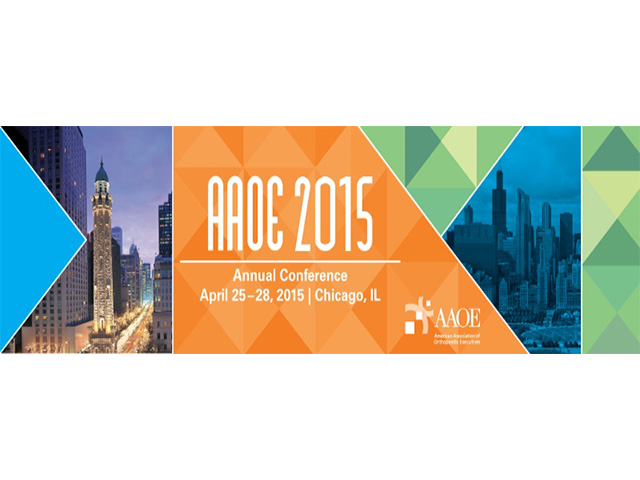
AAOE Annual Conference 2015
2015-04-25 - 2015-04-28    
All Day
AAOE Annual Conference 2015 The AAOE is the only professional association strictly dedicated to orthopaedic practice management. Currently, our membership has over 1,300 members in [...]
63rd ACOG ANNUAL MEETING - Annual Clinical and Scientific Meeting
2015-05-02 - 2015-05-06    
All Day
The 2015 Annual Meeting: Something for Every Ob-Gyn The New Year is a time for change! ACOG’s 2015 Annual Clinical and Scientific Meeting, May 2–6, [...]
Events on 2015-04-12
Events on 2015-04-19
Events on 2015-04-25
AAOE Annual Conference 2015
25 Apr 15
Chicago, IL 60605
Articles

AI’s involvement in next-generation diagnosis: anticipating and averting cardiac disease

A new age in cardiovascular care is being heralded by the implications of this new frontier for early prediction, prevention, and tailored treatment plans.

The investigation into the effects of AI on the diagnosis and prevention of heart disease is not just a story of technological achievement but also an example of cross-disciplinary cooperation. Experts in AI, data science, and cardiology are collaborating to fully realize the promise of deep learning networks and machine learning techniques. Massive datasets, including genetic data, electronic health records, lifestyle habits, and environmental factors, can be analyzed by these AI systems, which can reveal patterns and risk factors that are invisible to the human eye.

Predictive analytics represents one of the most innovative uses of AI in this field. Artificial intelligence (AI) programs can detect people who are at a high risk of heart disease years before the disease’s symptoms appear by sorting through layers of patient data. For example, researchers have created an algorithm that is more accurate than traditional risk assessment tools at predicting the chance of a heart attack or stroke. Because of this predictive ability, medical professionals can take proactive steps to stop heart disease before it starts, such changing a patient’s lifestyle or prescribing medication.


