

















Events Calendar

Mon
Tue
Wed
Thu
Fri
Sat
Sun
M
T
W
T
F
S
S
27
28
29
30
31
1
2
3
4
5
6
7
8
9
10
11
12
14
15
16
17
18
19
20
21
23
24
25
26
28
29
San Jose Health IT Summit
2017-04-13 - 2017-04-14    
All Day
About Health IT Summits U.S. healthcare is at an inflection point right now, as policy mandates and internal healthcare system reform begin to take hold, [...]
Annual IHI Summit
2017-04-20 - 2017-04-22    
All Day
The Office Practice & Community Improvement Conference ​​​​​​The 18th Annual Summit on Improving Patient Care in the Office Practice and the Community taking place April 20–22, 2017, in Orlando, FL, brings together 1,000 health improvers from around the globe, in [...]
Stanford Medicine X | ED
2017-04-22 - 2017-04-23    
All Day
Stanford Medicine X | ED is a conference on the future of medical education at the intersections of people, technology and design. As an Everyone [...]
2017 Health Datapalooza
2017-04-27 - 2017-04-28    
All Day
Health Datapalooza brings together a diverse audience of over 1,600 people from the public and private sectors to learn how health and health care can [...]
The 14th Annual World Health Care Congress
2017-04-30 - 2017-05-03    
All Day
The 14th Annual World Health Care Congress April 30 - May 3, 2017 • Washington, DC • The Marriott Wardman Park Hotel Connecting and Preparing [...]
Events on 2017-04-13
San Jose Health IT Summit
13 Apr 17
San Jose
Events on 2017-04-20
Annual IHI Summit
20 Apr 17
Orlando
Events on 2017-04-22
Events on 2017-04-27
2017 Health Datapalooza
27 Apr 17
Washington, D.C
Events on 2017-04-30
Articles

AI’s involvement in next-generation diagnosis: anticipating and averting cardiac disease

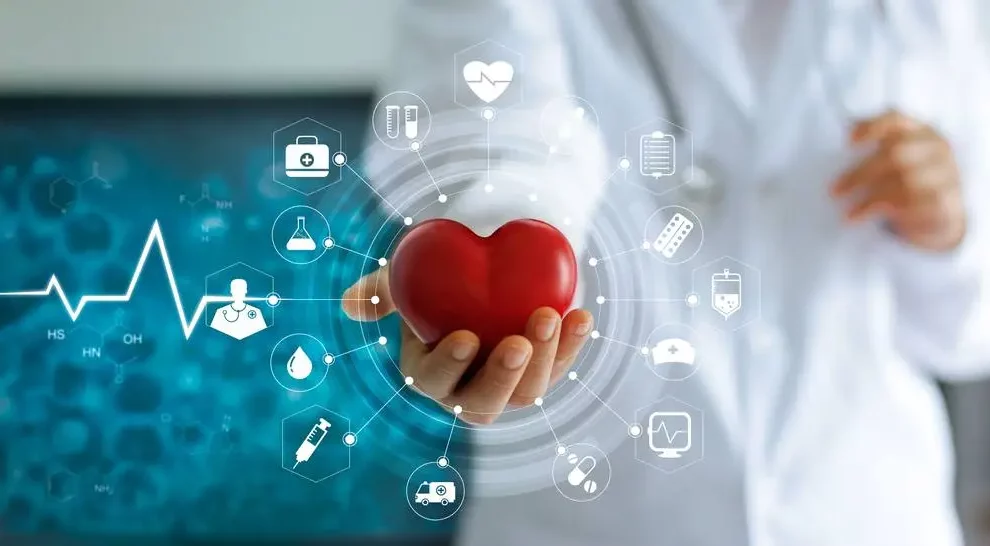
A new age in cardiovascular care is being heralded by the implications of this new frontier for early prediction, prevention, and tailored treatment plans.

The investigation into the effects of AI on the diagnosis and prevention of heart disease is not just a story of technological achievement but also an example of cross-disciplinary cooperation. Experts in AI, data science, and cardiology are collaborating to fully realize the promise of deep learning networks and machine learning techniques. Massive datasets, including genetic data, electronic health records, lifestyle habits, and environmental factors, can be analyzed by these AI systems, which can reveal patterns and risk factors that are invisible to the human eye.

Predictive analytics represents one of the most innovative uses of AI in this field. Artificial intelligence (AI) programs can detect people who are at a high risk of heart disease years before the disease’s symptoms appear by sorting through layers of patient data. For example, researchers have created an algorithm that is more accurate than traditional risk assessment tools at predicting the chance of a heart attack or stroke. Because of this predictive ability, medical professionals can take proactive steps to stop heart disease before it starts, such changing a patient’s lifestyle or prescribing medication.


