





























AI’s Place in Healthcare
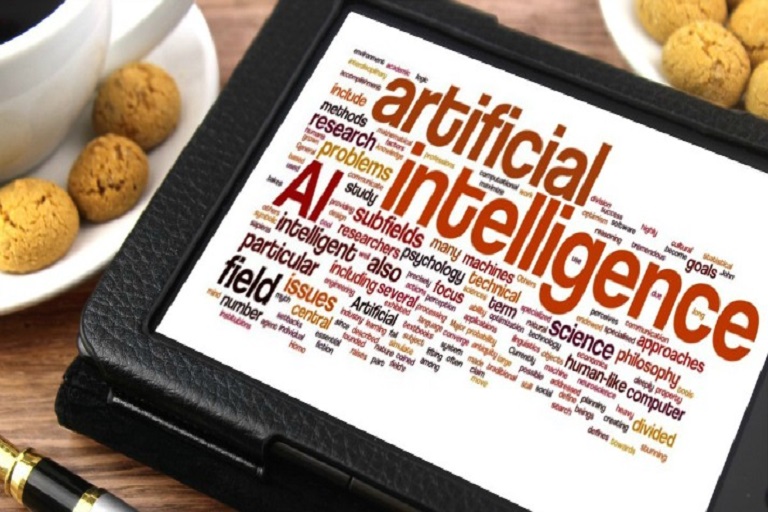
Artificial intelligence is quickly becoming an increasingly viable option for companies willing to utilize it. It is cheaper than paying employees, it is more precise than a human worker, and it works faster than any person could. There is no doubt that artificial intelligence will soon overtake most industries. One of the most interesting implications of the rise of artificial intelligence is how it will impact the medical field. Here are a few ways that the medical field is changing along with AI.
Surgery
It is already becoming increasingly viable for surgeons to control machines with precise movements that can perform surgeries effectively, but that is not all that modern technology is capable of. In some testing environments, AI can collect data from simple surgeries it has done in the past, and it can apply that data to more complex surgeries in the future. Machine learning models like these are not ready to be released to the public yet, but this technology will likely be widely used in the future.
Administration
Even at the non-doctoral level, artificial intelligence is still infiltrating the healthcare field. Administration, cashier, and other similar customer service jobs are largely expected to be eliminated and replaced with robots soon, and hospital administration is no exception. Restaurant chains like McDonald’s already have computerized kiosks in several of its locations that customers can use in place of cashiers. These kiosks will likely become more economically viable for all businesses in the coming decades, and a whole new slew of issues and debates will likely come out of these social developments. Whatever your opinion on the prevalence of robots is, people will have to deal with it soon no matter what.
Diagnosis
Human error is a huge issue in the medical field. Doctors can be properly educated, sufficiently intelligent, and relentlessly observant, but people are human, and humans make mistakes sometimes. When a doctor looks at scans or test results, he or she needs to not only know what he or she is looking for but also be observant enough to see the issue or abnormality. With the help of artificial intelligence, the potential for human error is decreasing. Computers are much better at spotting patterns and abnormalities than humans, so they are useful tools for doctors.
Patient Outcomes
When doctors come across a rare disease or an irregular case of a known disease, it can be difficult to give the patient a proper prognosis on the course the disease will likely take. When artificial intelligence is given information about how diseases work, it can combine the information from several different cases to create a more accurate prognosis than a human doctor ever could. Patients expect doctors to give them the most accurate information possible, but they are often wrong. AI has the potential to give people more accurate medical predictions.
Accuracy
One of the largest concerns surrounding artificial intelligence in every industry is the accuracy of computers and the frequency of technology glitches. People are generally resistant to change and, therefore, resistant to trusting new technology. However, by the time AI gets to the point where it is widely used in the medical field, it will have been so thoroughly tested that the potential for error will be far less than a typical human’s. Despite how many people feel, artificial intelligence is more likely to create safer results than humans because of how reliable machine learning is.
The conversion of many industries to relying on artificial intelligence is closer than most think. It will likely happen within the lifetimes of young people alive today. The general public must become more comfortable with the idea of artificial intelligence running parts of the world. Scientists and engineers know what they are doing in the creation of robots and artificial intelligence. The apocalyptic scenario that many paranoid people imagine when they think about these concepts is largely unfounded. These concerns will be taken into account, and the human race will be safe.


