


























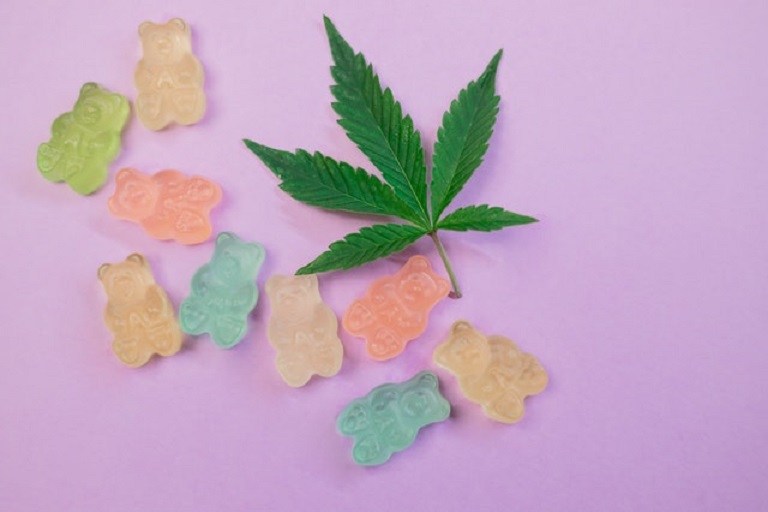
Cannabis vs. CBD: What are the Health Benefits?
Cannabis, CBD, and THC all belong to the same topic. However, as confusing as things sound, understanding the differences is simple. Cannabis is the plant that we derive CBD and THC from. Research has shown them to have certain health benefits when used appropriately.
Cannabis Contains a Broad Spectrum of Alkaloids
As we mentioned, cannabis is a naturally-occurring plant native to India. It spread from there early in human history, finding its way around the world.
The popularity of cannabis is most likely due to its unique alkaloids. THC has been touted as a miracle cure for various ailments, most popularly. It’s the main compound in cannabis responsible for the plant’s heady effects.
CBD is the other heavy-hitter derived from the cannabis plant. Compared to THC, it seems relatively benign at first glance. It doesn’t put your head into the cloud-like its chemical cousin. However, it does possess some powerful health-related properties.
THC and CBD Are Two of the Most Potent
Both THC and CBD exert their effects by influencing the body’s endocannabinoid system. It’s primarily composed of 2 receptor subtypes, CB1 and CB2. Our body produces cannabinoid compounds as part of its natural metabolic processes.
Although its nature is still unknown, researchers suspect it’s implicated in many things. For example, anandamide is the body’s most-prevalent endocannabinoid. It can be released by exercising, promoting relaxation, and mood elation.
Modulating the body’s endocannabinoid receptors can powerfully affect our state, relieving pain. That’s why cannabis has been such a popular plant for so long.
CBD Activates the Body’s CB1 Receptors and Promotes Relaxation
For a long time, we only knew about THC and its effects. It has a much more pronounced impact on a subject’s state of mind, mildly impairing them. The endocannabinoid system caught our attention while studying how THC exerts its effects.
However, it didn’t take long to realize there are other compounds in it with powerful effects. Among them, CBD quickly rose to prominence. By mainly affecting the CB1 receptor, it retains many of THC’s benefits. But, it doesn’t cause any kind of intoxication.
CBD oil tinctures provide an easy way to supplement this compound. It might be right for you if you suffer from inflammation or chronic pain. Activation of the CB1 receptors can reduce inflammation and effectively reduces pain.
THC Has a More Powerful Psychoactive Component
THC still has a role in the medical field, though. As powerful as it can be, CBD doesn’t stimulate the appetite much. So, most doctors prefer using THC-containing compounds if they’re treating patients with cancer.
One of the worst aspects of chemotherapy is how it devastates the appetite. As a result, many patients simply waste away while going through treatment. Taking THC can help them maintain weight and give them a better prognosis.
The main downside with THC is the substance’s legality. Currently, it’s illegal at the federal level, although several states have legalized it.
Both Compounds Have Some Health Benefits
Depending on your symptoms, the right cannabinoid will vary. Each one is useful when treating specific conditions, but both have their limits.
THC can be a great pain reliever, sleep aid, and appetite stimulant. Many doctors prescribe it when they treat glaucoma and anxiety, too. It even works well for people suffering from muscular spasticity.
CBD, on the other hand, is useful for different conditions. It’s had an excellent track record as an epilepsy treatment, reducing seizure frequency. We’ve already told you about CBD’s anti-inflammatory nature. But, you can also use it to treat migraines if they’re a common issue.
As research continues, even more indications continue to be discovered. We’ve recently seen evidence supporting the use of CBD as an adjunct while treating IBD.
Why CBD Might Be Right for You
The best thing about CBD is its legality. Right now, you can legally possess CBD anywhere in the country. Congress passed a Farm Bill in 2018 that changed the laws about hemp production. Now, it’s legal to grow as long as it doesn’t contain above 0.3% THC by weight. It can have as much CBD as it can hold if it’s below that.


