

































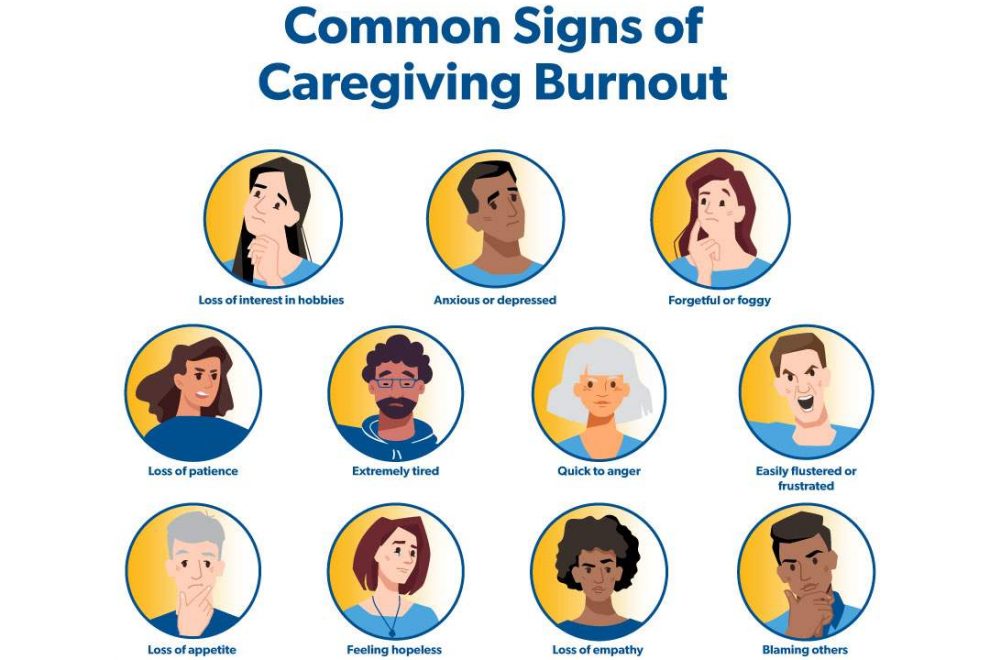
Experiencing caregiver burnout occurs when you feel fatigued from overseeing the care of another individual, especially when tending to a loved one with a chronic illness. The resulting stress can significantly impact your overall health and well-being.
Many caregivers shy away from discussing the challenges they face due to concerns about appearing incapable or causing guilt in their loved ones. However, openly addressing burnout is a crucial step in safeguarding your mental health.
This article will delve into the reasons behind caregiver burnout and provide insights into effective management and prevention strategies.
Caregiver burnout is the state in which a caregiver experiences physical, mental, and emotional exhaustion that cannot be alleviated with a single night’s sleep. This condition often results from prolonged and unaddressed stress.
The causes of burnout stem from caregivers prioritizing their loved ones to the extent that they neglect self-care. Inadequate attention to healthy eating, exercise, and personal rejuvenation allows the stress of caregiving to gradually erode both mental and physical well-being.
As per an AARP report, over a third of caregivers find caregiving to be highly stressful, with one in five stating that it has negatively impacted their own health. These proportions are even more significant among those caring for close relatives such as partners or parents.
Various factors contribute to caregiver stress, including uncertainties about their role, a sense of lacking control, insufficient support from friends or family, and the perception of being overwhelmed by responsibilities.
Caregiver burnout manifests uniquely in individuals, yet there are common signs shared by many experiencing burnout. If you’re a caregiver dealing with burnout, you may notice:
- Persistent fatigue despite adequate sleep.
- Increased irritability and frustration.
- Quick and heightened reactions of anger.
- Forgetfulness or mental fogginess.
- Loss of interest in previously enjoyed activities or social interactions.
- Feelings of anxiety or depression.
- A sense of hopelessness or helplessness.
In severe cases, burnout may lead caregivers to become indifferent or hostile, posing a risk of harm to themselves or others.
To effectively cope with caregiver burnout, initiating open discussions about your emotions and seeking support is crucial. When you’re a caregiver, broaching the topic of burnout can be challenging, especially when conversing with the person under your care. It’s essential to recognize that your feelings are normal and addressing your own needs is paramount.
Here are some communication strategies for addressing caregiver burnout:
- Be honest: Acknowledge and express your concerns about burnout openly. The sooner you recognize it and seek support, the quicker the path to recovery.
- Be specific: When discussing burnout, articulate your feelings precisely (e.g., overwhelmed or exhausted) and identify the underlying causes (e.g., the need for more time to recharge).
- Avoid blame: Resist assigning blame, even if you believe a specific person is a source of stress. The situation is likely more complex, so focus on expressing your feelings and needs without pointing fingers.
- Ask for what you need: Identify tasks or responsibilities that contribute to stress and consider delegating them. Whether it’s someone else accompanying your loved one to appointments or organizing support services, be specific when requesting assistance. When people offer help, provide them with clear ways they can support you.


