



























Necessity is the mother of invention’ is an old proverb proving true as health services across the world race to adapt to manage the challenges of the current coronavirus pandemic. Despite the significant pressures on services across the NHS associated with our COVID-19 response, and indeed because of them, there has been a significant acceleration of digital transformation across many areas of health in the UK. Digital innovation that might have once taken months or years to be adopted has been integrated into practice in days or weeks as people see and meet the need of the moment.
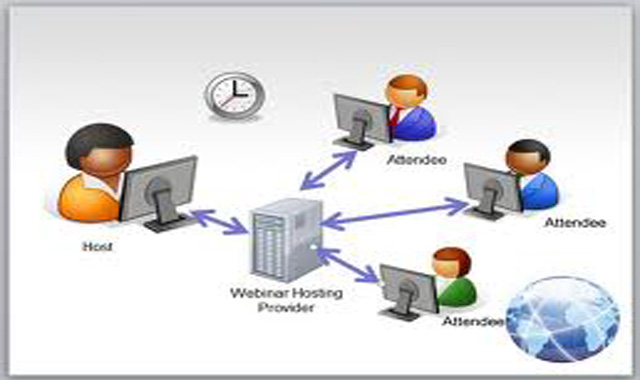
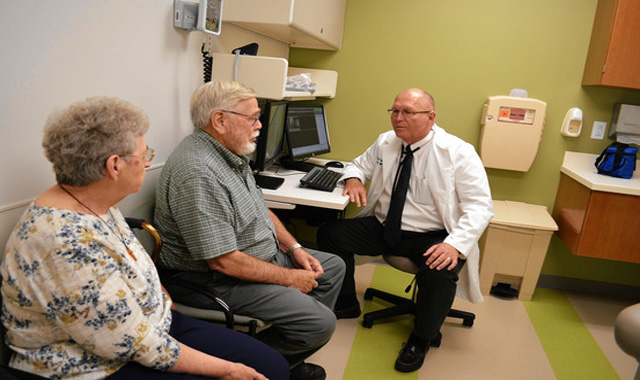
For instance, the coronavirus response has made clear the value of online and video-consultations in primary care, and we have seen a remarkable expansion of digital platforms. In the space of weeks, primary care services in the UK have switched from 1.2 million face-to-face consultations a day to the majority being carried out remotely. According to a 12 April BBC report, GPs are now seeing just seven in every 100 patients face-to-face. Similar progress has been made in secondary care, with widespread moves towards digital-first outpatient appointments and some hospitals supplying iPads to enable loved ones to ‘visit’ their relatives who have been hospitalised with coronavirus, without risk of infection.
It’s not all plain sailing, of course
A key issue has been, and will continue be, how well staff are able to adapt to the new ways of working that are required as a result. The recommendations of the recent Topol Review are now more important than ever, including increased training and resources for staff to ensure that they have the requisite skillset for digital working.
The sudden increased demand on IT infrastructure has inevitably led to practical day-to-day problems, which clinicians have difficulty solving. By way of example, there have been reports recently of clinicians’ email inboxes running out of space due to the deluge of new guidance and emails, with concerns that they won’t receive new emails as a result. Similarly, in primary care some clinical directors have faced issues accessing and using virtual private networks (VPNs) that connect them to the necessary clinical applications to continue to serve patients.
The coronavirus pandemic has also highlighted the need for the whole system to work together, from primary and secondary care, through to community provision and residential care. While it is encouraging that digital transformation has accelerated in many areas, it remains the case that interoperability within and between sectors is limited. This in turn restricts how responsive services and systems can be to patients. This is recognised as a long-term issue for the sector, but the new motivation to solve this challenge is bringing longstanding issues around sharing of health data, financing and past failures back under scrutiny.
Looking beyond COVID-19
As we work to address the health service’s digital challenges and opportunities that have been brought into sharper focus in recent weeks, we also need to look ahead to opportunities specific to the epidemic.
The contact tracing opportunity presents perhaps one of our greatest challenges, given the scale at which it will be required to operate. There are various digital solutions being developed and used for this purpose around the world. For instance, a new open-source app from Massachusetts Institute of Technology notifies users if someone they have been in close contact with has tested positive so they can self-isolate. Countries like Singapore and South Korea have also adopted interesting contact tracing tools.
In Europe, the Commission last week published the EU toolbox for the use of mobile apps for contact tracing and warning in response to the pandemic. The toolbox, which sets out essential requirements for these apps, is accompanied by guidance on protection of personal data and limiting intrusiveness. It will be critical to ensure the security of any digital solution so that citizens can fully trust such innovative digital solutions and embrace them without fear. This is essential because for them to be effective, the majority of people need to adopt the technology. Indeed, the University of Oxford’s Big Data Institute ran a simulation that found that ideally 80% of current smartphone owners would need to use a contact-tracing app for it to have the desired effect.
During the coronavirus pandemic, digital innovation and transformation is arriving at pace in health systems in the UK and beyond. Our challenge now will not only be to embrace this innovation, learn the lessons of agility and rapid implementation, but also challenge ourselves to support frontline staff and ensure that the safety of patients and their information are kept at the centre of any change.


