






















We cannot fail to be impressed by the technological advances made and the speed with which the Nightingale hospitals in the UK were created, but this is eclipsed by the human toll and staggering inequalities that have surfaced as a result of recent events.
There is growing evidence that black and minority ethnic (BAME) groups, particularly from South Asian and Afro-Caribbean backgrounds, are more adversely affected by COVID-19. Data started to emerge that certain BAME groups appeared to be more at risk from COVID-19 around six weeks ago.
The latest Intensive Care National Audit and Research Centre (ICNARC) report on 6,720 critically ill patients with COVID-19 shows that whilst BAME communities account for around 14% of the UK population they make up 34% of critically ill patients – an over-representation that appears consistent with the data emerging from the US.
An HSJ report showed that 94% of the doctors and dentists, and 71% of nurses and midwives who have died from COVID-19 were from a BAME background. To put this in perspective, 44% of doctors and dentists and 20% of nurses are from BAME origins.
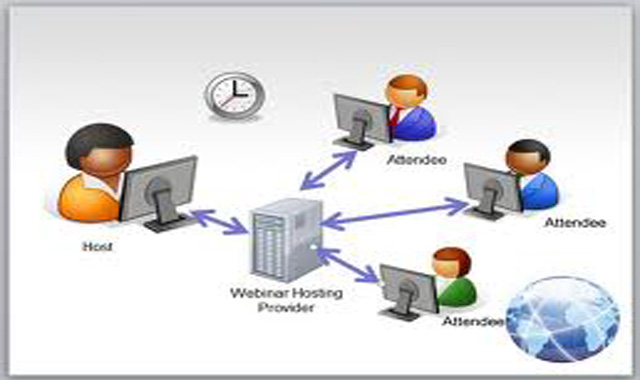
Technology and informatics are critical in helping us provide safe care, communicate with and engage with patients through video consultations, e-prescribing, virtual clinical meetings and capturing data. However, we must ensure that culturally and linguistically tailored approaches are in place, or risk creating even greater health inequalities and alienating segments of our population.
As an example, the NHS will be launching a COVID contact tracing app shortly which will alert people who may have been exposed so they can take action to protect themselves. Once installed the app will start logging the distance between their phone and other phones nearby that also have the app installed using Bluetooth Low Energy.
If they subsequently become unwell with symptoms of COVID-19, the app user can choose to allow the app to inform the NHS which will trigger an anonymous alert to those other app users with whom they came into significant contact with in the preceding days.
Clearly, the success of the app will depend on good uptake. To achieve this, the NHS needs to communicate with all groups including BAME populations, with visible leadership that these communities trust and identify with and implement versions of the app in multiple languages for those who are not fluent in English.
Engaging all communities
The disproportionate loss of so many BAME staff and patients has created enormous unease, fear and anger amongst BAME communities. We know that in quarantine or lockdown conditions leaving the information needs of the public unmet can be dangerous. If instructions or language are unclear, then people tend to make up their own rules. NHS England and Public Health England must provide clear information about COVID-19 where needed, and then ensure that the messages are getting through to avoid disengaging whole segments of our population.
We also know that staff who feel valued and appreciated provide better patient care, that diversity increases innovation and creativity and that implementing change, including digital transformation is only possible with engaged teams.
The NHS long-term plan states that “respect, equality and diversity will be central to changing the culture of the NHS and will be at the heart of the workforce implementation plan. The NHS draws on a remarkably rich diversity of people to provide care to our patients. But we fall short in valuing their contributions and ensuring fair treatment and respect.”
This statement has been thrown into stark relief in the last few months.
If we truly want to transform the NHS and use technology as a key enabler then we need to start by looking after and protecting our staff during these challenging times. Hard questions need to be asked and answered and actions taken, not simply offering more platitudes about fallen heroes. The crisis is set to remain with us for the foreseeable future and the NHS must not only maximise the use of technology to help us respond, but take this opportunity to reduce health inequalities and discrimination at the same time.


