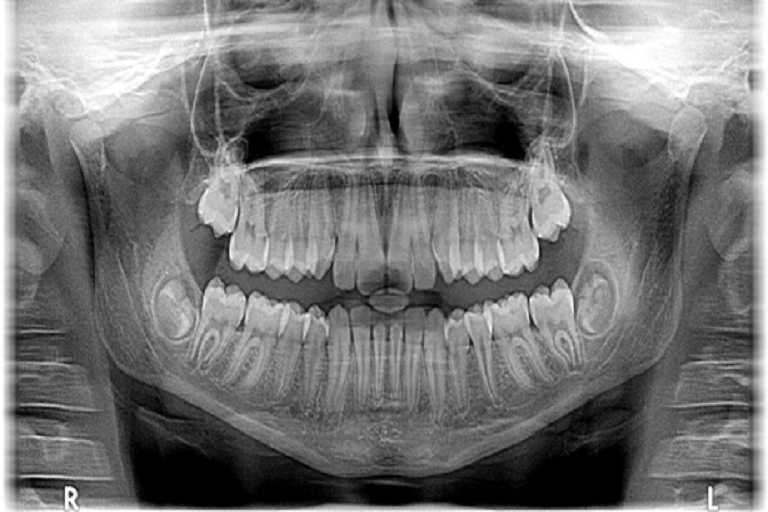

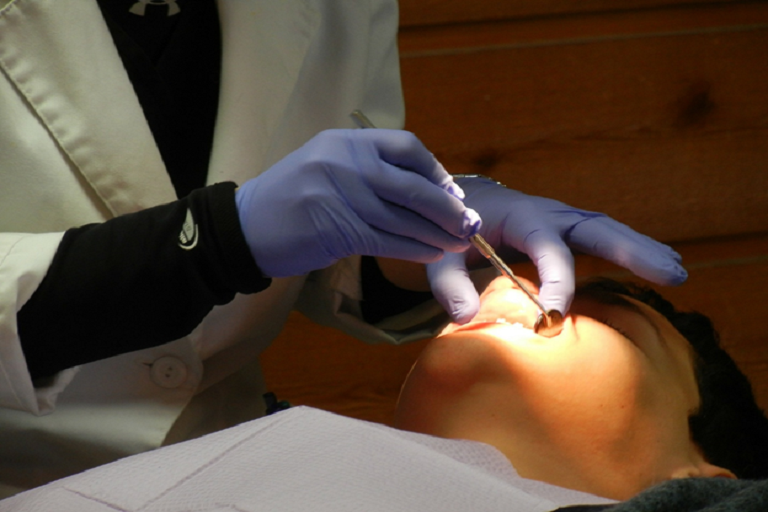
When patients are given the news from the orthodontist that their teeth need straightening, most of them typically want to know if this can be done without the need for braces. Fortunately, in contemporary orthodontics, unobtrusive and practical methods of treatment are available so life can go on in complete confidence.
Having orthodontic care aids in improving your bite, assists with dental hygiene, and decreases wear of your teeth, Ignoring issues relevant to teeth and the overall bite is common, but treating these issues doesn’t have to be difficult. It can actually be easier than you imagine.
Straightening Teeth Without Braces
Typically, the main issue that people have with wearing braces is their appearance as with traditional metal braces. There are several straightening options available that can provide benefits without being seen. It’s difficult to get the same type of straightening results that braces can provide, however.
- Removable plates can only offer limited correction meaning they’re not necessarily a true alternative for aligners or braces. These are typically used for children with baby teeth. They can very well be beneficial for certain simple issues. Braces for the second phase of treatment are often needed once adult teeth come.
- Linguinal braces are custom-made invisible braces. They are attached inside the surface of the teeth as opposed to the front. These are personalized to follow the contours of each person’s teeth to ensure they are effective as well as comfortable for that person’s needs. Linguinal braces being situated near the tongue present a unique situation with eating and speech more so than traditional braces. Adjustment time is different for everyone and takes significant time getting used to. Go to https://www.webmd.com/oral-health/guide/braces-and-retainers for an informative article on these along with other forms of braces and the following retainers and appliances.
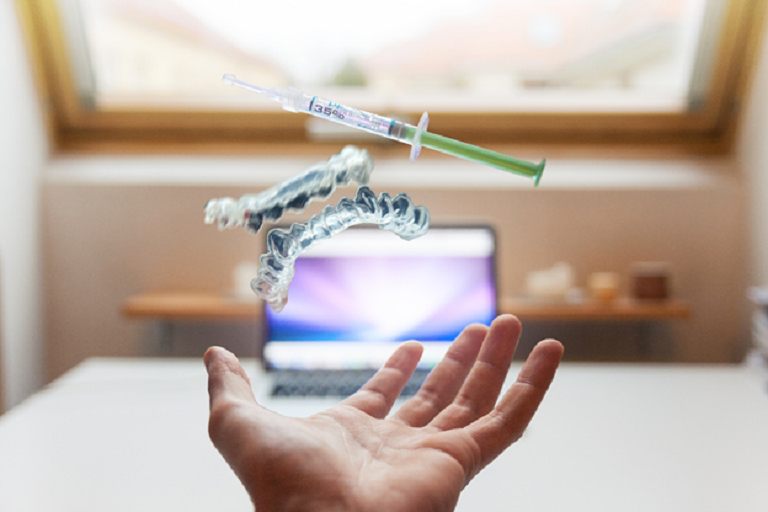
- Clear aligners are a virtually invisible and removable alternative to braces that are fixed. These are usually better for treating orthodontic issues that are of a less severe nature. If the aligners are not worn consistently or if they are taken out more than they are in, they are not going to be effective.
- There are two different versions of retainers available in orthodontics. One is a removable retainer that is made from acrylic and a metal wire which is customizable. The other is a clear plastic specifically made to fit each person’s teeth. Retainers are usually made to be worn following a course of braces treatment to make sure that the teeth don’t fall back into their initial place. There are instances where retainers can assist in moving teeth or closing gaps among teeth in very minor situations.
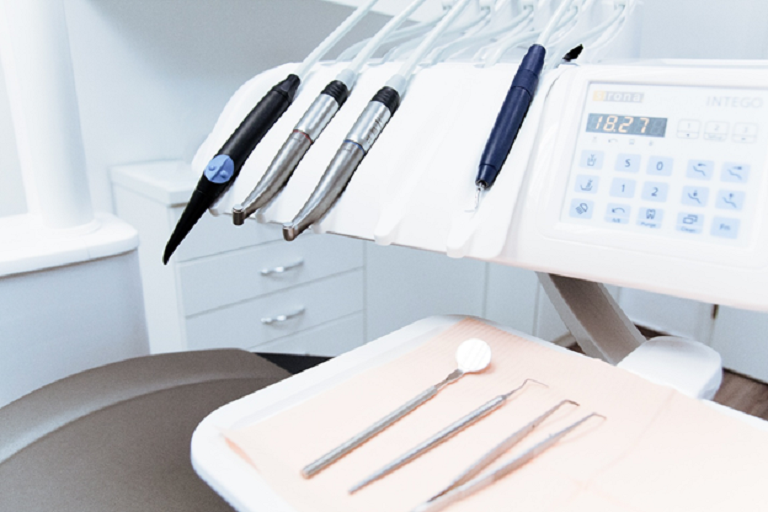
Even though appliances like headgear are generally used with children, adults can also benefit in certain instances. For adults, this is best when there are missing teeth to stop other teeth from sliding into spaces before the implant.
- Tiny rubber or donut-shaped rings that are created to be put in between teeth dubbed as separators or spacers keep the teeth apart.
- A transpalatal arch expander or TPA is used to assist in widening or expanding the palate. It is meant to be worn for several months.
- Helping with final tooth movements are positioners. These are typically worn for a minimum of four weeks, up to eight weeks.
Retainers and appliances are not particularly discreet. If your reason for avoiding braces is to be inconspicuous with your teeth-straightening treatment, these options are not the best alternatives.
Orthodontic Teeth Straightening Treatment
Many people are not thrilled with the notion of having braces fitted worrying that their appearance will be affected. Braces are the best teeth straightening options provided your teeth and gums are strong and healthy enough for them to be placed. These are an ideal choice for kids who offer malleable, flexible bone tissue and gums.
Treatment length can run up to three years based on the type of braces selected and preparation that needs to be done beforehand. There is also the option for teeth-straightening surgery which will give faster results.
- Ceramic braces including the archwire used to connect them are tooth-colored making them a discreet option compared to their metal counterparts. Straightening treatment works the same as with metal brackets, however, these are more susceptible to staining and have the potential to break. These are also more costly.
- Traditional, fixed metal braces are usually the ones that most people try to avoid. These are probably the best treatment for straightening with the fastest results. The braces are attached to the front of the teeth with brackets, flexible wire, and bands. These are the perfect option for those who have more complex alignment problems. There are instances where headgear is a necessity with these braces which would only be required at night. These types of braces have come far since their early introduction. The brackets are now smaller and there is less metal used. They are noted to be much more comfortable as well with colored rubber bands adding some personality to the mix. The price point is much more affordable also. Surgical straightening cuts the amount of time that you need to wear braces. The orthodontist may recommend a procedure as a means to reposition the gums and bones that aid in holding the teeth in place. There are also more complex procedures meant to realign the jaw known as orthognathic surgery which is typically used if your chewing or speech is being affected. Read here for an understanding of orthognathic surgery.
Summary
Children and teens, even adults, commonly suffer from crooked teeth. It’s not required that treatment be given unless health problems or self-esteem issues are being created. The option to fix crooked teeth is a personal choice.
There is no age where treatment for crooked teeth becomes obsolete. You can have your teeth straightened via any option at any age. It’s important to remember that it becomes more complex with age due to missing teeth, fillings, or other dental issues. The dentist and orthodontist offer vast knowledge and experience in overcoming the challenges that come to them. A new smile is possible no matter what the obstacles.