




















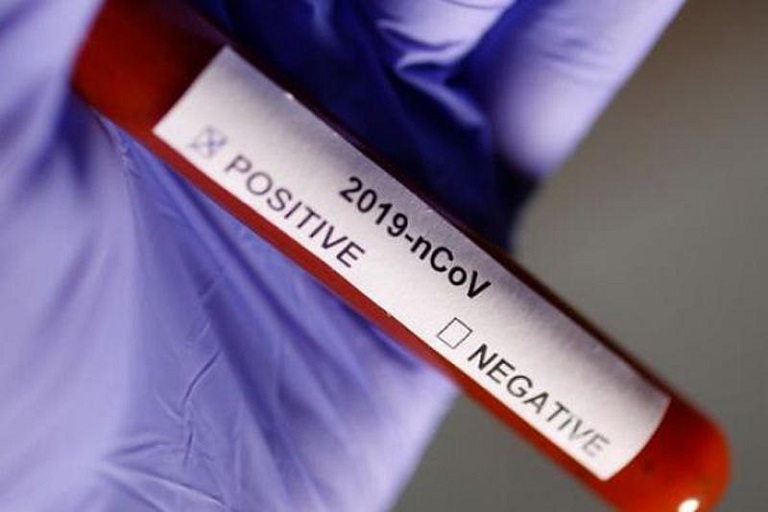
The Dubai Health Authority (DHA) has banned the use of rapid viral tests for COVID-19, following reports of major inaccuracies in test results. In a circular issued to hospitals, outpatient clinics and pharmacies, DHA instructed that testing kits were no longer to be used or sold. “This method [the rapid viral test] has not yet been proven to be feasible and has not been universally adopted as a reliable diagnostic method. The DHA is continuously testing the effectiveness of these devices and will inform you in the event of any change in this matter,” it reportedly said in its statement.
WHY IT MATTERS
The rapid test has been used to detect antibodies against COVID-19 in blood samples; however, it has emerged that the test is widely inaccurate, giving false negatives and positives, offering an accuracy rate of just 30%.
Confirming the ban to the media, Dr Ahmed Abdelhameed, specialist internal medicine at Medcare Women and Children Hospital, said: “It is not a direct detection of the virus, but a ‘kind of detection’ of the consequence of the virus once you catch the infection… the body then starts forming antibodies to fight the virus. Therefore, this test cannot help in early diagnosis of the disease.
“For the body to form antibodies against the virus it takes days or sometimes even weeks. So this will delay in knowing if the patient is COVID-19 positive or negative. Sometimes, antibodies are formed because of previous infection of other strains of coronavirus that are not necessarily COVID-19. And this may give you a positive result for the virus… To avoid this confusion, the DHA has banned the use of the test as it can give you a false negative or positive result for COVID-19.”
The UAE continues its fight against the coronavirus. As of the latest results released today, 15 May, the country now has a total of 21,831 confirmed cases of COVID-19, with 7,328 complete recoveries made so far. A total 210 have lost their lives to the coronavirus.
ON THE RECORD
Dr Anthony Thomas, director of diagnostics division at Prime Hospital told Gulf News: “Normally, our body produces antibodies in response to a virus or bacteria when we are exposed to it. Usually, Polymerase Chain Reaction [PCR] is taken through a nasal swab for early detection. In case of the rapid testing kits, the antibodies develop after 5-7 or more days so it is not advisable for early detection and the current kits are not reliable.”
“The rapid antibody blood test, which has been banned, was proving to be unreliable as it was giving far too many false positives and negatives causing confusion. Our main strength in this fight is effective diagnosis that can help prevention and spread of COVID-19. So withdrawing the test was the right step.”


