


























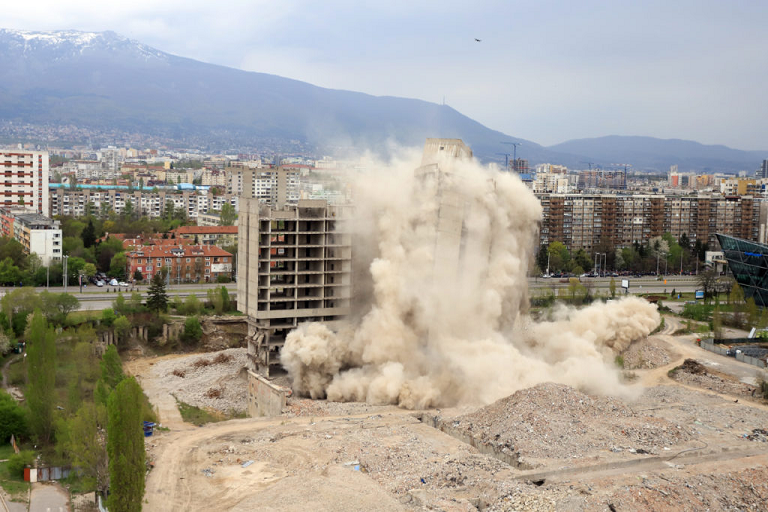
Dust Monitoring In Work Places: Why Should We Do It?
Monitoring Dust In Working Sites In Australia:
The threat of dust accumulation is always present in extreme working conditions like construction sites, quarries and mines. However, in modern Australia, where most office space is located in the urban and suburban areas, dust pollution has become a common factor. Many health protocols have recommended proper dust monitoring for aerosols and other airborne particulates that pose a threat to the health and safety conditions of the employees.
When people talk about monitoring particulates, it is not a simple matter to consider. Particulates aren’t just dust that may be visible, but objects more minor than that can be included in the hazard list. The smaller ones are more dangerous because of their size, due to which they can enter the lungs of workers quickly. Smaller particles like silica in construction mines and sites are equally harmful, and in 2011, it was found that at least 587,000 Australians were exposed to silica. A small percentage of them developed lung cancer over time due to this exposure. So proper monitoring can ensure the safety of all workers and employees working in dust prone areas.
Dust Particulates and Their Impact on Human Health:
As mentioned before, airborne dust presents a severe hazard to working employees in sites and workplaces. The most effective way to determine whether a particle is dangerous is to identify its size. Particles having a size of more than 10 micrometres aren’t breathable but will get stuck to external organs. Due to its size, it can irritate the eyes and skin and may lead to infections such as conjunctivitis. On the other hand, other particles that are less than 10 micrometres in size are all the more dangerous. These particles will get trapped in the respiratory ducts, including the mouth and the nose. Such particles are often associated with respiratory diseases such as asthma, pneumonia, silicosis or tracheitis. The worst are the particles even smaller that have the potential to enter the bloodstream through the lungs. Through the blood, they can affect the organs and lead to cardiovascular problems.
Dust has also been found to carry deadly viruses and other diseases. Inhaling dust during hot or even dry conditions can lead to the damage of the mucous linings of the throat, nose and lungs. The damaged linings can act as hotspots for bacterial infection if not treated. The presence of iron oxides in dust particles in construction areas can also lead to infections and other lung-related diseases.
Benefits Of Dust Monitoring In A Work Site:
● Effective dust monitoring in sites prone to dust pollution can help the management use real-time data to predict where and when dust emissions can occur. It allows workers to carry out activities to reduce the risk of being affected by dust particles and reduce any operating costs due to damage from the dust.
● It alerts workers if the dust emission is higher than the prescribed level and allows the employees to take proper precautions in time.
● Proper monitoring protects the overall health and the well being of the workers and, at the same time, reduces pollution to the surrounding communities and areas.
● Taking the initiative to safeguard the health of workers and to protect the environment boosts a positive image of the organisation. It enables them to stand out among the competitors and the community. It helps the organisation to build trust among workers and achieve more contracts through their initiatives.
Author Bio: Alison Lurie is a farmer of words in the field of creativity. She is an experienced independent content writer with a demonstrated history of working in the writing and editing industry. She is a multi-niche content chef who loves cooking new things.


