











Empathy paramount to the patient experience as healthcare looks beyond the pandemic
The need for empathy and compassion has been highlighted during the course of the COVID-19 pandemic, as many patients have been treated in isolation, cut off from family and loved ones.
Empathy is well and good in theory, but what does it look like in practice? How can healthcare organizations know they’re doing the right things for patients?
Those are the questions that will be addressed in the HIMSS21 digital session, “Embedding a Culture of Empathy and Compassion,” moderated by Cleveland Clinic Chief Experience Officer Adrienne Boissy. Speaking on the topic will be Ben Moor, anesthesiologist formerly of Beth Israel Deaconess Hospital in Plymouth, and Helen Riess, co-founder and chief scientific officer of Empathetics.
Even before the pandemic, there were standard ways of measuring the patient experience, mostly through surveys and patient ratings. But the ongoing public health emergency saw pervasive isolation and loneliness among hospital patients, and these factors aren’t always taken into account in the typical survey process.
According to Moor, there’s often a disconnect between what providers feel they should be doing for their patients and what they are allowed to do. That’s something that needs to be taken into account, he said.
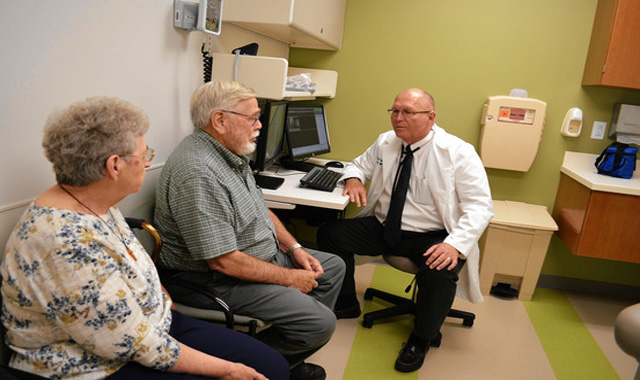
Electronic health records can actually bolster a hospital or health system’s empathic capabilities. Since facing a computer screen and not making eye contact with a patient is a non-starter, the EHR can actually provide prompts for empathy skills, for instance by reminding nurses and physicians about personal details from the patient’s past.
While still at Beth Israel Deaconess, Moor decided once he was vaccinated and wearing personal protective equipment that he would start popping into patients’ rooms to see how they were faring and to provide them with a human connection. After doing that on the side for a while, he started encouraging other staff to do it as well on an informal basis.
That, to his surprise, led to some discussions with lawyers in which they cautioned that this may be a rule violation. But Moor pressed forward, deciding that sometimes there’s a difference between a strictly compliant thing and the right thing.