



























The advances in technology that our society has witnessed are vast and amazing, not least in the world of healthcare. But how exactly is technology having an effect on our medical care? From improved tools to easier contact, there’s no denying that we’re lucky we have what we do. We’ve decided to look into some of the main effects technology has had on healthcare.
The Internet as a source of medical information
We’ve all done it. We’ll be sitting reading something about European money saving tips or watching funny videos on YouTube, and then something will start to tickle or ache. The moment that it does, we take to our trusty search engines to find out everything we can about any possible illnesses that we could be suffering with. While this can be dangerous in the sense that some people might take treatment into their own hands, it has revolutionised the way people think about their healthcare. Patients are taking decisions into the own hands, researching what they need to know about their illness and what their options for treatments are before they go to a doctor to have it confirmed.
Social Media makes contact easier
This is becoming more and more common as each day goes by. Clinics, Doctor’s offices, research facilities and more are all using the Social Media age to their advantage. They can reach further through social media than any other method, and some healthcare facilities are even reaching a point where they keep in contact with their patients through social media. Community outreach, public awareness campaigns and reminders about appointments are only some of the ways that the medical sector are quickly growing to adopt social media within their practices.
Better treatments
Perhaps the most obvious of ways that technology has affected healthcare is the fact that treatments in general are getting better. New machines, treatments and medicines are constantly being researched and introduced to improve existing treatments, or even to provide brand new ones never seen before. Recovery chances have excelled drastically, and the effectiveness of treatments is constantly on the rise. Everyday healthcare is easier and far more efficient than ever before, largely thanks to technology and its advances.
Improved worker efficiency
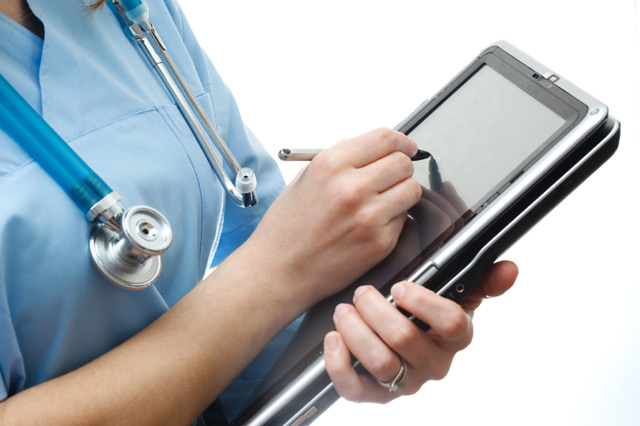
Efficiency in healthcare doesn’t end with the treatments themselves. Technology has also played a huge part in improving the background and administration work that comes with healthcare. Information technology has made patient care far more efficient than ever before. Handheld devices can record patient data in seconds or provide medical history that they might need to know. Results from tests and scans are all faster and more accurate, and in plenty of cases, patients can even access their own information for a better understanding of what they are going through and what is being done to solve that.
Doctors and other healthcare professionals are easier to reach
With smartphones being a commodity that most doctors will have nowadays, patients can reach doctors with the simple tap of a button. Online information can give the phone number of a doctor’s office to book an appointment, or doctors can contact their patients if they need to. Whether it’s through e-mail, texts, video, conference calls or more, doctors can speak with their patients remotely, or even have quick access to consultants from all across the world without needing to move a patient.


