






























Five of the Most Common Sports Injuries
Injuries are commonplace in all forms of sport. Every athlete will tell you they tend to never be 100% fit after the start of a season; they tend always to be carrying a knock or a niggle throughout their campaign. It is possible, although not advised, to continue playing while injured. Still, some more severe injuries result in the sportsman or woman spending extended periods in the treatment room.
Hamstring Injuries
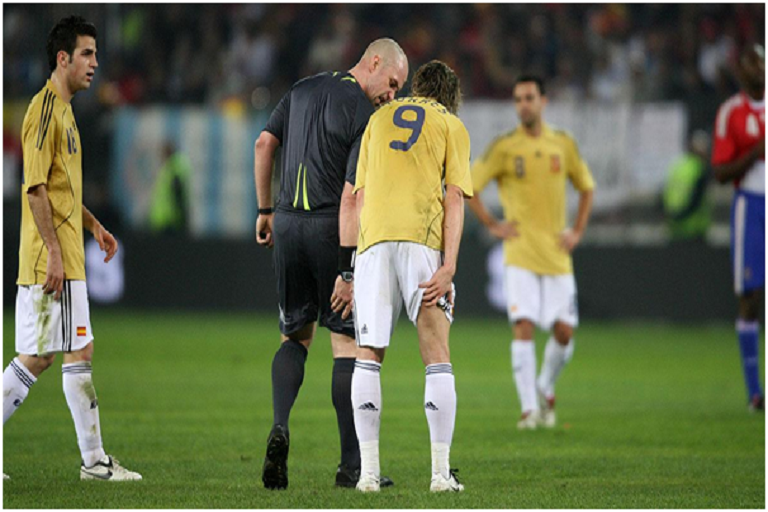
Sometimes called a pulled hamstring, hamstring strains are one of the most common injuries a sportsperson suffers during their careers. They are more common in sports where the player frequently accelerates to full running speed before stopping and starting the process again—twisting and turning places additional strain on the body’s joints, too. Soccer and basketball players are susceptible to this form of injury because of the very nature of those games.
There are three grades of a hamstring injury. Grade 1 is a mild muscle pull or strain. Grade 2 is a partial muscle tear, while Grade 3 is the term used for a complete muscle tear. Players cannot play even with a Grade 1 hamstring injury, although they are usually back in action after a few days of rest. More serious hamstring injuries can keep players out for months. NBA star LeBron James suffered a hamstring injury in late March and missed 20 games, resulting in those fans sports betting in California seeing the odds of a Los Angeles Lakers victory tumble while James was getting back to full fitness.
Ankle Sprain
Sports that require frequent stopping from speed or regular twists and turns often result in players suffering ankle strains. These debilitating injuries see the athlete spend between a couple of weeks to several months on the sidelines.
Most strains begin to feel better within two weeks of the injury occurring. The more serious sprains and strains, especially those causing ligament damage, can take months and sometimes require surgery to rectify the problem. The leading issue players have following an ankle sprain is having to avoid strenuous exercise for up to eight weeks, resulting in a decline in their overall fitness.
Soccer and football players are regularly injured with ankle issues. As are tennis players who spend a lot of their time on court changing direction, often in a lateral movement where rolling the ankle is easy to do.
Knee Injuries
Knee injuries are another common sports-related injury that, again, is a result of twisting from a sudden change in direction. They can also be caused by landing incorrectly from a jump or a collision, such as a heavy tackle.
Damaging the anterior cruciate ligament (ACL) accounts for around 40% of all sports injuries. Usually, it results in the injured party being out of action for several months, even up to a year. Professional athletes who tear their ACL have no other option but to undergo reconstructive surgery to repair the ACL.
ACL injuries can be so severe they end a player’s career. Today’s surgeons work miracles even with the worst knee injuries, and players usually return again after a lengthy period of physiotherapy.
Shoulder Injuries
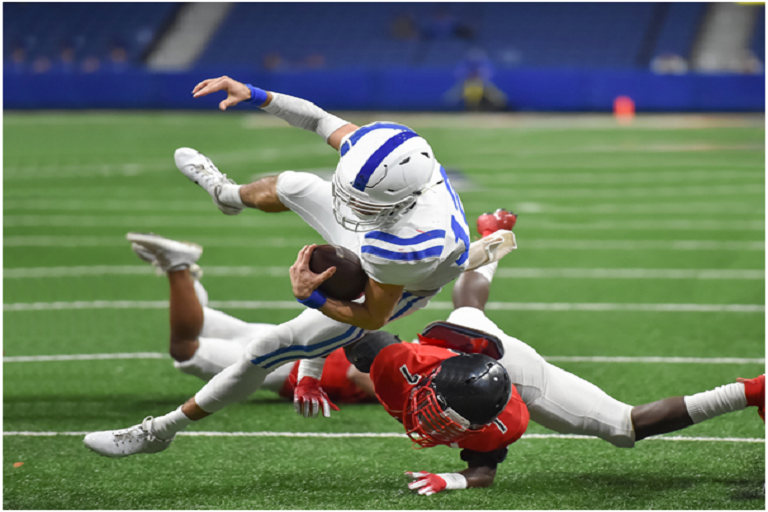
Substantial impacts, including falling, cause the majority of shoulder injuries in sports. NFL players and those competing in rugby games are particularly susceptible to a shoulder injury.
Shoulder injuries come in several forms, but dislocations, rotator cuff injuries, and fractured clavicles are the most common. A shoulder dislocation is not only painful but keeps the affected person out of action for between three-to-four months. They then have to strengthen the joint, which adds to the time spent in the treatment room.
Rotator cuff and clavicle fractures heal much faster, and it is not uncommon to see the athlete back doing when they do best after eight-to-10 weeks.
Concussion
Concussions have seen a lot of negative publicity in recent times due to the long-lasting effects. Concussions are brain injuries that happen after a significant blow to the head. Those involved in contact sports, gymnasts, and skiers are at a high risk of concussion injuries.
There is no rushing back to playing following even a minor concussion. Every person is different and can suffer from dizziness, nausea, and headaches for weeks and months after the injury. Frequent concussions during a player’s career can lead to dementia, Parkinson’s disease, and Alzheimer’s in later life. Experts continue to study links between head injuries and these life-changing illnesses.


