





































Events Calendar

Mon
Tue
Wed
Thu
Fri
Sat
Sun
M
T
W
T
F
S
S
26
27
29
30
31
1
2
5
7
8
12
13
14
16
17
21
22
23
24
25
26
27
28
1
Proper Management of Medicare/Medicaid Overpayments to Limit Risk of False Claims
2015-01-28    
1:00 pm - 3:00 pm
January 28, 2015 Web Conference 12pm CST | 1pm EST | 11am MT | 10am PST | 9AM AKST | 8AM HAST Topics Covered: Identify [...]
EhealthInitiative Annual Conference 2015
2015-02-03 - 2015-02-05    
All Day
About the Annual Conference Interoperability: Building Consensus Through the 2020 Roadmap eHealth Initiative’s 2015 Annual Conference & Member Meetings, February 3-5 in Washington, DC will [...]
Real or Imaginary -- Manipulation of digital medical records
2015-02-04    
1:00 pm - 3:00 pm
February 04, 2015 Web Conference 12pm CST | 1pm EST | 11am MT | 10am PST | 9am AKST | 8am HAST Main points covered: [...]
Orlando Regional Conference
2015-02-06    
All Day
February 06, 2015 Lake Buena Vista, FL Topics Covered: Hot Topics in Compliance Compliance and Quality of Care Readying the Compliance Department for ICD-10 Compliance [...]
Patient Engagement Summit
2015-02-09 - 2015-02-10    
12:00 am
THE “BLOCKBUSTER DRUG OF THE 21ST CENTURY” Patient engagement is one of the hottest topics in healthcare today.  Many industry stakeholders consider patient engagement, as [...]
iHT2 Health IT Summit in Miami
2015-02-10 - 2015-02-11    
All Day
February 10-11, 2015 iHT2 [eye-h-tee-squared]: 1. an awe-inspiring summit featuring some of the world.s best and brightest. 2. great food for thought that will leave you begging [...]
Starting Urgent Care Business with Confidence
2015-02-11    
1:00 pm - 3:00 pm
February 11, 2015 Web Conference 12pm CST | 1pm EST | 11am MT | 10am PST | 9am AKST | 8am HAST Main points covered: [...]
Managed Care Compliance Conference
2015-02-15 - 2015-02-18    
All Day
February 15, 2015 - February 18, 2015 Las Vegas, NV Prospectus Learn essential information for those involved with the management of compliance at health plans. [...]
Healthcare Systems Process Improvement Conference 2015
2015-02-18 - 2015-02-20    
All Day
BE A PART OF THE 2015 CONFERENCE! The Healthcare Systems Process Improvement Conference 2015 is your source for the latest in operational and quality improvement tools, methods [...]
A Practical Guide to Using Encryption for Reducing HIPAA Data Breach Risk
2015-02-18    
1:00 pm - 3:00 pm
February 18, 2015 Web Conference 12pm CST | 1pm EST | 11am MT | 10am PST | 9am AKST | 8am HAST Main points covered: [...]
Compliance Strategies to Protect your Revenue in a Changing Regulatory Environment
2015-02-19    
1:00 pm - 3:30 pm
February 19, 2015 Web Conference 12pm CST | 1pm EST | 11am MT | 10am PST | 9am AKST | 8am HAST Main points covered: [...]
Dallas Regional Conference
2015-02-20    
All Day
February 20, 2015 Grapevine, TX Topics Covered: An Update on Government Enforcement Actions from the OIG OIG and US Attorney’s Office ICD 10 HIPAA – [...]
Events on 2015-02-03
EhealthInitiative Annual Conference 2015
3 Feb 15
2500 Calvert Street
Events on 2015-02-06
Orlando Regional Conference
6 Feb 15
Lake Buena Vista
Events on 2015-02-09
Events on 2015-02-10
Events on 2015-02-11
Events on 2015-02-15
Events on 2015-02-20
Dallas Regional Conference
20 Feb 15
Grapevine
Latest News

Five tips to maximize patient engagement when using an EHR

Read More

Many of the benefits of electronic health records (EHRs) are the enhancements they bring to existing workflows. They help ensure safe prescribing, improve the lab ordering experience, support intra-office communication, and improve care coordination. Yet the greatest benefit may be more time for care: nearly 4 out of 5 providers found using an EHR boosted the efficiency of their practice.

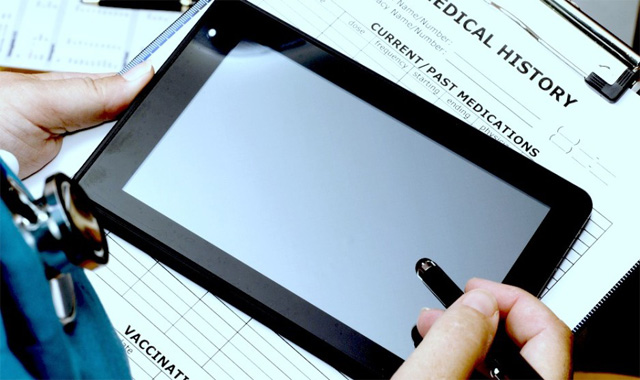
With more time comes more opportunities for increasing patient engagement, especially during the patient visit when you’re charting in your EHR. Patients are also widely accepting of using an EHR during the visit: More than 80% of patients reported that they would not be bothered by the use of either a tablet, laptop or desktop computer during an exam in a recent study.

How can you make the most out of having a computer during a visit in order to empower patients to improve their health? Here are five tips from Practice Fusion providers for maximizing patient engagement while using an EHR:

  1. Make eye contact. Making eye contact with your patients is essential. It conveys that you’re interested in the conversation and paying attention, which builds trust. When you break eye contact or frequently look away, it can be perceived that you’re distracted or trying to conceal your feelings.
  2. Be cognizant when you type. Engage with your patients as you type. Let them know as you are typing that you are documenting their complaints and exam findings on the spot so they don’t have to worry about your memory of events later in a dictation. Occasionally read aloud what you are typing to keep patients involved and give them the ability to agree or apply a correction.
  3. Repeat back to the patient. When people are anxious or excited, they may accelerate their rate of speech. It can be difficult to document everything in these situations. Repeat back to the patient what you entered in the EHR if you’re not sure of something — you’ll let your patient know that you’re actively listening, and it also verifies that the information entered is correct.
  4. Focus on posture and body language. Good body language sends a signal that you are actively listening to your patient. If you are facing your computer and not your patient it can convey that you aren’t paying attention to them. Consider angling your body towards your patient as you take notes.
  5. Eliminate barriers between you and your patient. If you’re using a desktop computer, it can act as a physical barrier between you and your patient, depending on how it’s positioned. Additionally, a computer positioned in the corner of the exam room can make creating eye contact with your patient difficult. Consider using a small laptop, tablet, or mobile working station. This prevents your computer from blocking your field of vision and allows you to face your patient no matter where they’re sitting.


