






























The Oncology Care Model (OCM), developed by the Center for Medicare and Medicaid Innovation, announced more than a year ago, has the sole objective of improving care and lowering cost. This bundled payment program will link reimbursement to quality metrics and outcomes submitted by practices. To help clinics meet these objectives and reporting requirements, Flatiron Health—a technology company that builds digital platforms that connect cancer centers around the nation—has developed OncoEMR, a cloud-based electronic health record (EHR) coupled with an analytics tool (OncoAnalytics).
“We realized the challenges facing our network of more than 245 cancer clinics and we were able to iterate quickly to deliver a product to meet the demands of OCM,” Brenton Fargnoli, MD, associate medical director, Strategic Initiatives, told The American Journal of Managed Care in an interview. “Nearly 30% of oncologists participating in OCM will be able to do so because they are using Flatiron’s software and services,” he added.
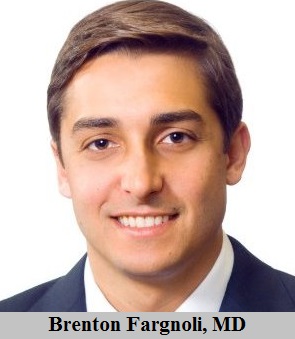 Fargnoli believes that the OCM mirrors Flatiron’s mission of improving the way care is delivered to cancer patients across the country. “We think the OCM is really important to the industry, and specifically affects Flatiron practices. Not only is this a large priority for the oncology community, but it’s also a big priority for Flatiron because it impacts our mission and our customers,” he added.
OncoEMR presents clinics with the capability of curating disparate data sources to find actionable insights for better patient care. The software is built on 3 pillars:
- Quality measurement
- Treatment planning
- Guideline adherence
Fourteen practice-reported quality measures have been built in to the software that will allow practices to monitor individual physician performance as well as the aggregate performance of the practice. Additionally, clinical pathways and treatment guidelines are integrated in OncoEMR, so providers do not have to seek an external portal as they develop a treatment plan for their patient. “There are core requirements of the program, which can burden a practice if they are outside the physician workflow, and they can end up not influencing quality at the point of care. We have seamlessly embedded these OCM requirements into the workflow.”
This first layer of EHR provides a vehicle for data analytics, Fargnoli said, with information on “how they are performing for a specific patient with OCM quality measures, OCM guideline adherence, and also lets them successfully share the care plan with the patient.”
Fargnoli emphasized that the cross-functional team that Flatiron mobilized—oncologists, software engineers, and data analysts—helped launch their software across 15 states before the OCM deadline.
The question is, what is the turnaround time for feedback from OncoEMR? How quickly can practices implement changes to improve performance on the various quality measures?
“The data that we are working with, we update on a daily basis, and so some of our reports are updated daily, fairly in real time,” according to Fargnoli. The turnaround time for improvements in quality measures would, however, depend on the measurement in question because the length of time for meaningful measurement could vary.
“What we will do is provide practices a glimpse into their performance before they have to report to Medicare and this gives them an opportunity to understand and improve their performance,” he added. With the cloud-based OncolAnalytics tool, Flatiron is providing practices the option of building their own learning health system “to measure, understand, and improve performance in an iterative feedback loop.”
The idea of a learning health system is similar to what the American Society of Clinical Oncology is developing with CancerLinQ. According to Robert Miller, MD, FACP, FASCO, who serves as the medical director for CancerLinQ, their tool provides real-time quality feedback to oncologists to enable them to measure the care they render against clinical guidelines and that of their peers, to deliver personalized insights at the point of care. The resulting patterns that emerge—on tumor characteristics, patient performance, treatments—can be evaluated to make appropriate changes at the point of care. It will also provide physicians with the opportunity to benchmark themselves against colleagues within their practice and across the nation, similar to the offerings of Flatiron’s platform.
These digital platforms are a perfect solution for what CMS would like to achieve across healthcare: reimbursing physicians based on the quality and value of the care they provide, be it oncology, diabetes, cardiology, or any other condition. However, a change is possible only when there’s more widespread adoption of these tools. Because, as Jennifer Malin, MD, staff vice president, Clinical Strategy, Anthem, pointed out, extracting patient data to improve outcomes is possible only when the challenge of ensuring all clinics are using EHRs is overcome.


