















Events Calendar

Mon
Tue
Wed
Thu
Fri
Sat
Sun
M
T
W
T
F
S
S
27
28
29
30
1
3
5
6
8
9
10
11
12
14
15
16
17
18
20
21
22
23
24
25
27
28
29
30
63rd ACOG ANNUAL MEETING - Annual Clinical and Scientific Meeting
2015-05-02 - 2015-05-06    
All Day
The 2015 Annual Meeting: Something for Every Ob-Gyn The New Year is a time for change! ACOG’s 2015 Annual Clinical and Scientific Meeting, May 2–6, [...]
Third Annual Medical Informatics World Conference 2015
2015-05-04 - 2015-05-05    
All Day
About the Conference Held each year in Boston, Medical Informatics World connects more than 400 healthcare, biomedical science, health informatics, and IT leaders to navigate [...]
Health IT Marketing &PR Conference
2015-05-07 - 2015-05-08    
All Day
The Health IT Marketing and PR Conference (HITMC) is organized by HealthcareScene.com and InfluentialNetworks.com. Healthcare Scene is a network of influential Healthcare IT blogs and health IT career [...]
Becker's Hospital Review 6th Annual Meeting
2015-05-07 - 2015-05-09    
All Day
This ​exclusive ​conference ​brings ​together ​hospital ​business ​and ​strategy ​leaders ​to ​discuss ​how ​to ​improve ​your ​hospital ​and ​its ​bottom ​line ​in ​these ​challenging ​but ​opportunity-filled ​times. The ​best ​minds ​in ​the ​hospital ​field ​will ​discuss ​opportunities ​for ​hospitals ​plus ​provide ​practical ​and ​immediately ​useful ​guidance ​on ​ACOs, ​physician-hospital ​integration, ​improving ​profitability ​and ​key ​specialties. Cancellation ​Policy: ​Written ​cancellation ​requests ​must ​be ​received ​within ​120 ​days ​of ​transaction ​or ​by ​March ​1, ​2015, ​whichever ​is ​first. ​ ​Refunds ​are ​subject ​to ​a ​$100 ​processing ​fee. ​Refunds ​will ​not ​be ​made ​after ​this ​date. Click Here to Register
Big Data & Analytics in Healthcare Summit
2015-05-13 - 2015-05-14    
All Day
Big Data & Analytics in Healthcare Summit "Improve Outcomes with Big Data" May 13–14 Philadelphia, 2015 Why Attend This Summit will bring together healthcare executives [...]
iHT2 Health IT Summit in Boston
2015-05-19 - 2015-05-20    
All Day
iHT2 [eye-h-tee-squared]: 1. an awe-inspiring summit featuring some of the world.s best and brightest. 2. great food for thought that will leave you begging for more. 3. [...]
2015 Convergence Summit
2015-05-26 - 2015-05-28    
All Day
The Convergence Summit is WLSA’s annual flagship event where healthcare, technology and wireless health communication leaders tackle key issues facing the connected health community. WLSA designs [...]
eHealth 2015: Making Connections
2015-05-31    
All Day
e-Health 2015: Making Connections Canada's ONLY National e-Health Conference and Tradeshow WE LOOK FORWARD TO SEEING YOU IN TORONTO! Hotel accommodation The e-Health 2015 Organizing [...]
Events on 2015-05-04
Events on 2015-05-07
Events on 2015-05-13
Events on 2015-05-19
Events on 2015-05-26
2015 Convergence Summit
26 May 15
San Diego
Events on 2015-05-31
Press Releases

Genetic change: human ancestors lost tails

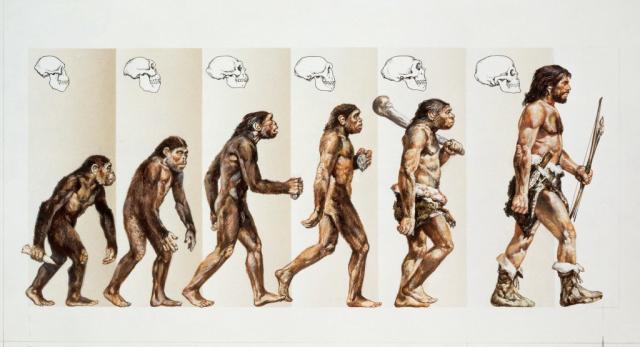
A genetic change in our ancient ancestors may partly explain the absence of tails in humans compared to monkeys, according to a recent study led by researchers at NYU Grossman School of Medicine.

Researchers at NYU Grossman School of Medicine compared the DNA of tailless apes and humans with that of tailed monkeys, revealing an insertion of DNA, AluY, shared by apes and humans but missing in monkeys. By engineering mice to examine the effects of this AluY insertion in the TBXT gene related to tail development, the study found various tail effects, including some mice born without tails. The research addresses the genetic basis of tail loss in human evolution, highlighting the insertion’s influence on alternative splicing and resulting in diverse tail lengths. The study emphasizes the intricate nature of genetic regulation and its role in species evolution. The research suggests that tail loss in primates, including humans, occurred around 25 million years ago, potentially adapting to ground life. Future experiments will explore potential trade-offs and the impact of tail loss on neural tube birth defects.