






















Healthcare X-Ray Detectors Market Statistics, Cagr, Outlook, And Covid-19 Impact 2021 – 2024
X-ray detectors are primarily used to measure stray radiation (spatial distribution), flux, and spectrum among many others. Detectors for X-ray are applicable in a broad range such as Si-detectors, single detectors, and compound detectors.
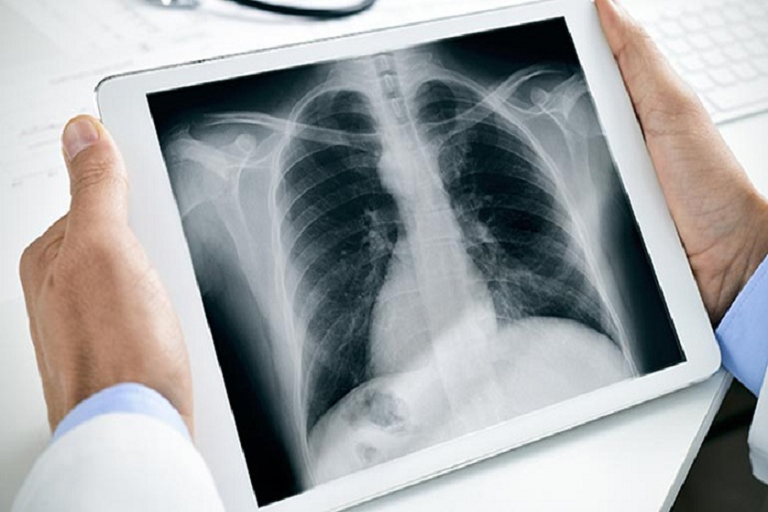
Imaging systems have extensive applications in many fields, especially in the medical field, i.e., X-ray medical diagnostics (computed tomography or digital radiography). The design and features of current imaging systems give an optimal use of information contained in X-ray quanta, which are passed through patients. X-ray detectors have a high number of photons that are capable of detecting individually. These X-ray detectors measure each photon and then (over a time) accumulate enough measurements to obtain high image quality of the source. Digital X-ray detectors are mainly adopted for the state-of-the-art imaging as most of the vendors or manufacturers have come up with technologies that are effective in terms of cost, time, and process.
Market Scenario
The market has tremendous opportunities to grow in both developed and developing countries. The detector-based digital radiography is one of the latest developments in the diagnostic and imaging field (X-ray technology) that uses a different type of sources (flat panel detectors and charge couple devices) as image receptors and X-ray source for emitting high-quality radiographic images. The healthcare detector is compact, lightweight, and portable. The technological advancements in detectors have given a hallmark for most of the digital radiography systems with high dose efficiency, ease of handling equipment (ergonomics), and high image quality. This is considered as a complete digital solution for radiography as it can eliminate the need for replacing the image receptors entirely unlike the film-based or phosphor-based radiography.
Most of the leading medical imaging companies focus on developing high-quality imaging data for delivering real-time images that provide an assessment of various tissue pathophysiology based on different spectral characteristics of the tissue. The sales of X-ray detectors are expected to increase through advancements and technological adoption of multi-modality imaging systems in hospitals.
Key Players
Varex Imaging Corp., Hamamatsu Photonics, Fujifilm Holdings Corp., Teledyne Technologies, and Vieworks dominate with the maximum revenue generation in the global healthcare X-ray detectors market.
Market Analysis – The Global Healthcare X-ray Detectors Market is estimated to witness a CAGR of 6.14% during the forecast period 2018–2024. The market is analyzed based on five segments, namely product types, portability, size, end-users, and regions.
Regional Analysis – The regions covered in the report are North America, Europe, Asia Pacific, and Rest of the World (ROW). In North America, the US and Canada are set to be the leading countries owing to the highest number of diagnostic cases in 2017. This region dominates the overall presence of medical imaging (healthcare X-ray detectors usage) and has the most diversified X-ray detectors available. It has the highest percentage of the elderly population with many individuals suffering from chronic diseases such as CVD, diabetes, obesity, high blood pressure, and other urology-related factors. This has attracted most of the customers to sustain and grow over the period and maintain their product presence in the market.
Europe is set to be the second leading region and held more than 28% of the market share in 2017. The market in Europe is largely driven by advancements in medical imaging technologies. An increase in the prevalence of diseases, continuous adaption of advanced technologies, and increase in aging population are driving the market. The countries such as Germany, France, UK, and Italy are the major contributors in the region. The APAC region accounted for a share of 19.15% in 2017.
Competitive Analysis – The global healthcare X-ray detectors market has immense growth opportunities in both developed and developing regions. The market in the developed countries is witnessing increased adoption of X-ray detectors for high-quality imaging, screening, and diagnosing due to improved access and encouragement from the government & other healthcare institutions, especially in the US, Canada, France, Germany, and the UK.
The advancements in technology and product upgradation will increase the competition among vendors. The market is highly dynamic with the presence of few big players accounting for more than 65% of the share. Tier II companies such as Agfa-Gevaert, Carestream Health, Internazionale Medico Scientifica, Planmed, and Toshiba Corp. recorded prominent shares in the global healthcare X-ray detectors market. The benefits such as safety, high-quality images, easy monitoring and analysis of 3D images, high-resolution images to detect breast cancers, and combination with multi-imaging systems have increased the demand for X-ray detectors in the market.
Key Competitive Facts
- The market is highly competitive with all the players competing to gain market Intense competition, rapid advancements in technology, frequent changes in government policies, and the prices are key factors that confront the market.
- The requirement of high initial investment, implementation, and maintenance cost in the market are limiting the entry of new players.
Benefits – The report provides complete details about the usage and adoption rate of healthcare X-ray detectors market. Thus, the key stakeholders can know about the major trends, drivers, investments, vertical player’s initiatives, and government initiatives toward the segment in the upcoming years along with details of the pure play companies entering the market. Moreover, the report provides details about the major challenges that are going to impact the market growth. Additionally, the report gives complete details about the key business opportunities to key stakeholders in order to expand their business and capture the revenue in specific verticals, and to analyze before investing or expanding the business in this market.
Visit For More Information : Click Here