






















How Active Sitting Helps Reduce Lower Back Pain
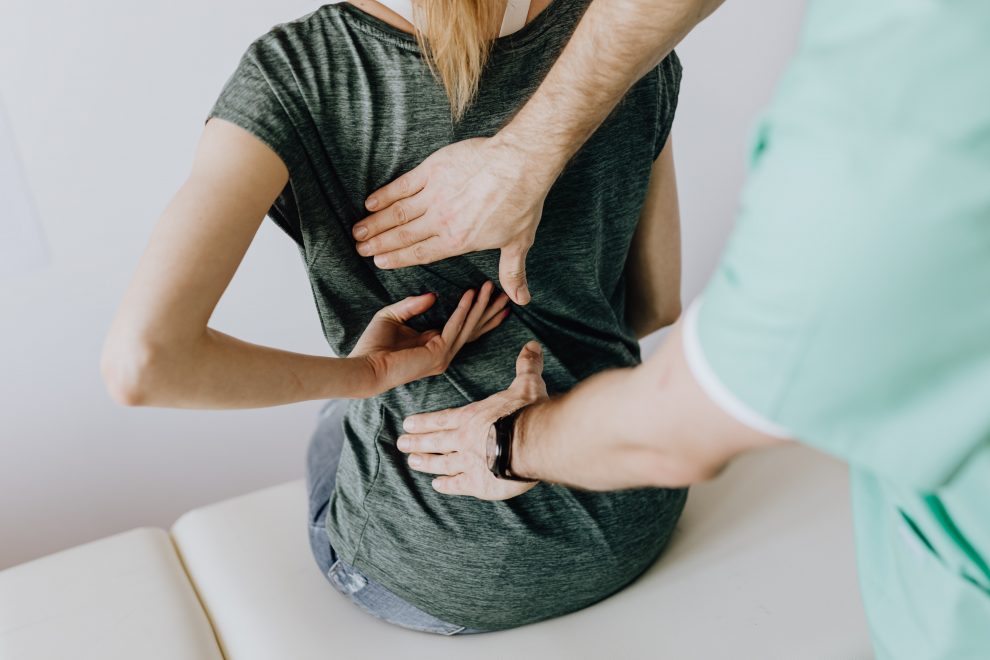
In contemporary America, back pain is a common complaint, yet sadly, we can’t even pinpoint the source of all this suffering. A person may alter their sitting habits very little when actively sitting to maintain their muscular activity. By doing so, individuals may experience an improvement in core strength, better posture, calorie burning, and a decreased risk of back discomfort.
How Well Does “Active Sitting” Treat Back Pain
Most individuals would do better to switch to “active sitting,” a new method of sitting. You include brief periods of action into your everyday routine through active sitting. These exercises are more meant to improve circulation to your muscles and other tissues to delay your tissues’ aging process than to boost your fitness level.
Incorporate active sitting into your everyday routine by following these tips:
- Use your feet to roll a soup can or tennis ball across the floor (take your shoes off first). The back-and-forth action may even lessen foot discomfort and swelling by keeping circulation flowing through your legs so that muscles get the oxygen they need.
- Sit on the edge of your chair a few times a day to let your spine extend. We spend most of the day reclining in our seats. Your spine changes position as you shift to the edge of your seat, stretching your muscles and reducing tension.
- Consider “wall squatting.” Position your back to a wall and your feet shoulder-width apart, sag your knees should make a ninety-degree angle, and gently lower yourself to a sitting posture. Hold for about a minute to stretch muscles, increase circulation, and then do it twice or thrice.
How to Alter Your Sitting Position
Adapting How We Sit
Making sitting an operational experience instead of a passive one may be the option that works best for most individuals. Active sitting chairs now promote sitting while actively allowing or requiring constant posture modification.
Sitting in this manner might naturally improve posture and speed up metabolism. Active sitting is a relatively new choice for sitting. Therefore it hasn’t been well researched yet, but preliminary findings indicate that metabolic rate rises by about 20%, and anecdotal accounts mention better posture and less back discomfort.
Since the previous 20 years, active sitting has gained popularity in Europe and is now spreading to the United States. There are now at least a dozen distinct active-sitting chairs on the market, and more are undoubtedly on the way. Active chairs are more complex than standard Western chairs; thus, they have historically been more costly. However, emerging products from firms with a social conscience are currently lowering the active sitting price to make them accessible to everyone.
The best way to think about active sitting is as a supplement to spinal health, utilized to prevent back discomfort and sitting illness. Active sitting is not likely to be used in treating an acute incident of low back pain, even though this has not been researched.
Utilize a Movable Footrest
A simple approach to assist natural movement while sitting at your desk is to use an ergonomic footrest with a tilting base that monitors fluctuations in your posture. You’ll be encouraged to rock gently yet continuously, which keeps your legs moving and improves blood flow. Your circulation will likely improve, and your lower back strain will be released due to lessening pressure on your legs. Additionally, since your feet are elevated, you may sit back in your office chair without slouching, which will help your posture and lower your stress levels by providing your back with support from the backrest.
Conclusion
Without breaks for action or exercise, prolonged sitting at home or work may cause various health issues. Sitting for extended periods is linked to back discomfort, diabetes, obesity, and cardiovascular difficulties. Because prolonged inactivity may result in the same harm as smoking and obesity, it is also linked to higher death rates.
It may not be feasible to sit less, but it is always possible to sit better. Static sitting hinders your body from obtaining the mobility it needs. Slouching is also one of the worst postures for your body, placing too much strain on your back and neck. Active sitting is a simple technique to lessen the stress that sitting takes on your body.


