






































Events Calendar

Mon
Tue
Wed
Thu
Fri
Sat
Sun
M
T
W
T
F
S
S
26
27
29
30
31
1
2
5
7
8
12
13
14
16
17
21
22
23
24
25
26
27
28
1
Proper Management of Medicare/Medicaid Overpayments to Limit Risk of False Claims
2015-01-28    
1:00 pm - 3:00 pm
January 28, 2015 Web Conference 12pm CST | 1pm EST | 11am MT | 10am PST | 9AM AKST | 8AM HAST Topics Covered: Identify [...]
EhealthInitiative Annual Conference 2015
2015-02-03 - 2015-02-05    
All Day
About the Annual Conference Interoperability: Building Consensus Through the 2020 Roadmap eHealth Initiative’s 2015 Annual Conference & Member Meetings, February 3-5 in Washington, DC will [...]
Real or Imaginary -- Manipulation of digital medical records
2015-02-04    
1:00 pm - 3:00 pm
February 04, 2015 Web Conference 12pm CST | 1pm EST | 11am MT | 10am PST | 9am AKST | 8am HAST Main points covered: [...]
Orlando Regional Conference
2015-02-06    
All Day
February 06, 2015 Lake Buena Vista, FL Topics Covered: Hot Topics in Compliance Compliance and Quality of Care Readying the Compliance Department for ICD-10 Compliance [...]
Patient Engagement Summit
2015-02-09 - 2015-02-10    
12:00 am
THE “BLOCKBUSTER DRUG OF THE 21ST CENTURY” Patient engagement is one of the hottest topics in healthcare today.  Many industry stakeholders consider patient engagement, as [...]
iHT2 Health IT Summit in Miami
2015-02-10 - 2015-02-11    
All Day
February 10-11, 2015 iHT2 [eye-h-tee-squared]: 1. an awe-inspiring summit featuring some of the world.s best and brightest. 2. great food for thought that will leave you begging [...]
Starting Urgent Care Business with Confidence
2015-02-11    
1:00 pm - 3:00 pm
February 11, 2015 Web Conference 12pm CST | 1pm EST | 11am MT | 10am PST | 9am AKST | 8am HAST Main points covered: [...]
Managed Care Compliance Conference
2015-02-15 - 2015-02-18    
All Day
February 15, 2015 - February 18, 2015 Las Vegas, NV Prospectus Learn essential information for those involved with the management of compliance at health plans. [...]
Healthcare Systems Process Improvement Conference 2015
2015-02-18 - 2015-02-20    
All Day
BE A PART OF THE 2015 CONFERENCE! The Healthcare Systems Process Improvement Conference 2015 is your source for the latest in operational and quality improvement tools, methods [...]
A Practical Guide to Using Encryption for Reducing HIPAA Data Breach Risk
2015-02-18    
1:00 pm - 3:00 pm
February 18, 2015 Web Conference 12pm CST | 1pm EST | 11am MT | 10am PST | 9am AKST | 8am HAST Main points covered: [...]
Compliance Strategies to Protect your Revenue in a Changing Regulatory Environment
2015-02-19    
1:00 pm - 3:30 pm
February 19, 2015 Web Conference 12pm CST | 1pm EST | 11am MT | 10am PST | 9am AKST | 8am HAST Main points covered: [...]
Dallas Regional Conference
2015-02-20    
All Day
February 20, 2015 Grapevine, TX Topics Covered: An Update on Government Enforcement Actions from the OIG OIG and US Attorney’s Office ICD 10 HIPAA – [...]
Events on 2015-02-03
EhealthInitiative Annual Conference 2015
3 Feb 15
2500 Calvert Street
Events on 2015-02-06
Orlando Regional Conference
6 Feb 15
Lake Buena Vista
Events on 2015-02-09
Events on 2015-02-10
Events on 2015-02-11
Events on 2015-02-15
Events on 2015-02-20
Dallas Regional Conference
20 Feb 15
Grapevine
Latest News

How Coronavirus enters the body: Here’s what researchers have found

How Coronavirus enters the body: Here’s what researchers have found
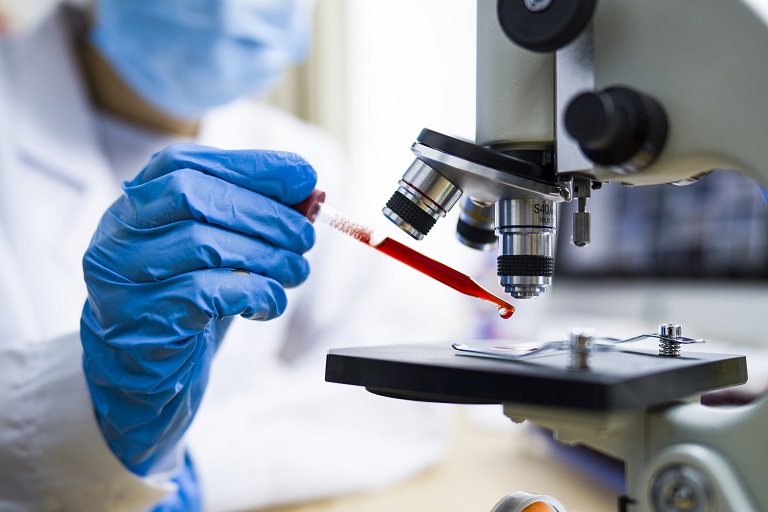
Scientist working with blood sample in laboratory

How Coronavirus infects and damages the human body: After the continuous research to understand how the novel Coronavirus affects people, some scientists have identified two specific types of cells in a human nose that are the initial infection points in a human body. According to a report by The Indian Express, it can be noted that the two cells- goblet cells and ciliated cells are two kinds of cell where the entry mechanism of SARS-CoV2 takes place and the virus begins to attack. This study, the report said, has been identified by researchers in University Medical Centre Groningen, Wellcome Sanger Institute (UK), University Côte d’Azur and CNRS, Nice. To be sure, Goblet cells are those that produce mucus within the nose and are found alongside the respiratory tract. Ciliated cells, on the other hand, are hair like cells that help sweep mucus or dust to the throat.

Now what actually happens, is the virus has a lock and key effect, the report said. This particular virus has a fatty envelope containing a spike protein on the surface. This protein unlocks another protein (ACE2) that is present on the human cell. After this is unlocked, the virus enters the human cell. There it uses a second protein called TMPRSS2 which allows the virus to reproduce and eventually leads it to the transmission within the cell.

How did researchers identify nasal cavity as an initial entry point for the virus?

The report mentioned that to identify the entry point for Coronavirus entry, they looked for all the organs that express the two proteins that are ACE2 and TMPRSS2 prominently. By looking at many tissues of non-infected people, the report added, it was found that cells from the lung, eye, nasal cavity, gut, kidney, heart and liver have these proteins. It was then identified that goblet cells and ciliated cells have the maximum amount of these proteins produced when compared to other cells. And therefore, acted as an initial path for the COVID-19 virus to enter the human body. It is to note that nasal cavity is highly accessible for the virus but this does not rule out other entry points for the virus.

The similar proteins have also been identified in the eye’s cornea and the lining of intestine. This makes the cornea another route and therefore the virus in some cases can also enter via tear ducts or a possible oral-faecal transmission. According to the report, the study has been carried out as it can help further understand the cell types that are responsible for mass transmission of the virus. It can provide a basis that can help develop a potential treatment to reduce the spread of the virus, the report said.


