






























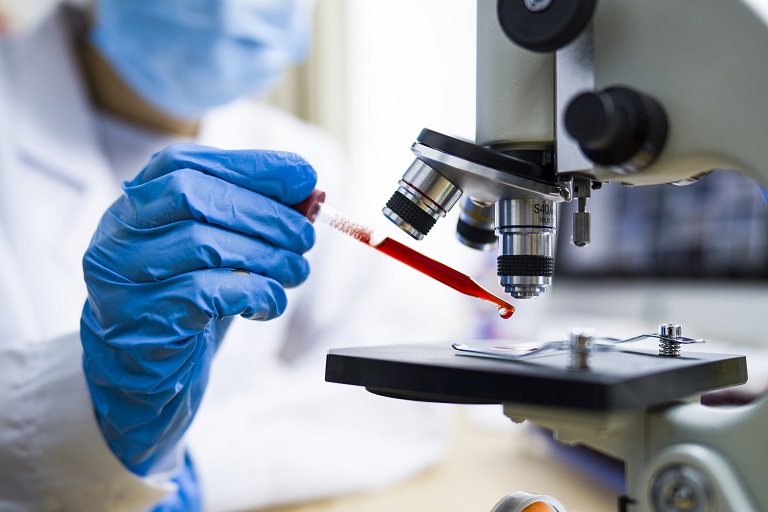
How Coronavirus infects and damages the human body: After the continuous research to understand how the novel Coronavirus affects people, some scientists have identified two specific types of cells in a human nose that are the initial infection points in a human body. According to a report by The Indian Express, it can be noted that the two cells- goblet cells and ciliated cells are two kinds of cell where the entry mechanism of SARS-CoV2 takes place and the virus begins to attack. This study, the report said, has been identified by researchers in University Medical Centre Groningen, Wellcome Sanger Institute (UK), University Côte d’Azur and CNRS, Nice. To be sure, Goblet cells are those that produce mucus within the nose and are found alongside the respiratory tract. Ciliated cells, on the other hand, are hair like cells that help sweep mucus or dust to the throat.
Now what actually happens, is the virus has a lock and key effect, the report said. This particular virus has a fatty envelope containing a spike protein on the surface. This protein unlocks another protein (ACE2) that is present on the human cell. After this is unlocked, the virus enters the human cell. There it uses a second protein called TMPRSS2 which allows the virus to reproduce and eventually leads it to the transmission within the cell.
How did researchers identify nasal cavity as an initial entry point for the virus?
The report mentioned that to identify the entry point for Coronavirus entry, they looked for all the organs that express the two proteins that are ACE2 and TMPRSS2 prominently. By looking at many tissues of non-infected people, the report added, it was found that cells from the lung, eye, nasal cavity, gut, kidney, heart and liver have these proteins. It was then identified that goblet cells and ciliated cells have the maximum amount of these proteins produced when compared to other cells. And therefore, acted as an initial path for the COVID-19 virus to enter the human body. It is to note that nasal cavity is highly accessible for the virus but this does not rule out other entry points for the virus.
The similar proteins have also been identified in the eye’s cornea and the lining of intestine. This makes the cornea another route and therefore the virus in some cases can also enter via tear ducts or a possible oral-faecal transmission. According to the report, the study has been carried out as it can help further understand the cell types that are responsible for mass transmission of the virus. It can provide a basis that can help develop a potential treatment to reduce the spread of the virus, the report said.


