





























How Doctors Can Use Technology to Improve Clinical Outcomes
The global healthcare industry continues to be negatively affected by public health issues such as the Coronavirus pandemic, which has strained resources and personnel all over the globe. Healthcare services have become costlier, which has led to adverse health outcomes. It has become increasingly necessary for healthcare practitioners to embrace technology. Applying technology within their practice will mitigate against the issues currently ailing the profession.
Alleviating the Administrative Burden
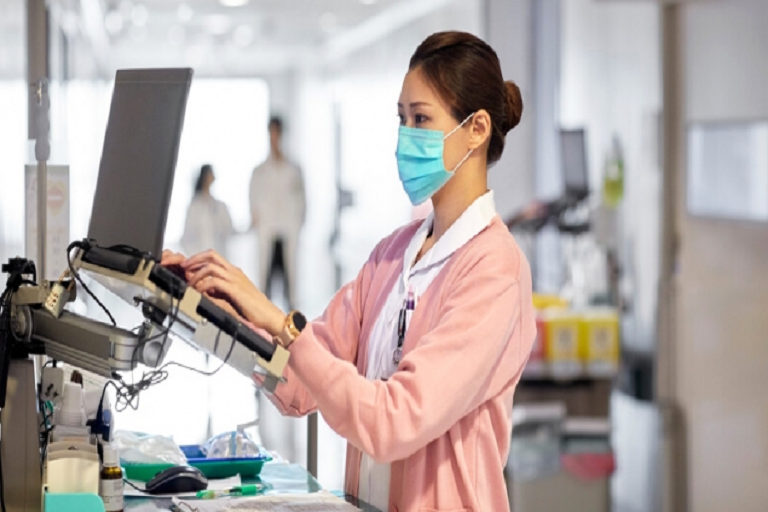
Some of the challenges doctors face in disseminating their duties are wrong time and administrative burdens. The fact that doctors are usually expected to attend to various patients implies limiting their time with every patient. Doctors always aim to provide their patients with the most effective care. This can, however, be difficult to achieve considering that they only have limited time with their patients and are also involved in other tasks. One of their administrative responsibilities is maintaining their patient health records. Applying technological tools such as the cloud can help alleviate such burdens. A technical device such as Speech Understanding can lessen a doctor’s administrative responsibilities by taking on some of the time-consuming tasks that the doctor would otherwise perform. Delegating some administrative functions to such tools ensures that doctors can provide the most efficient and effective medical care.
Improving Clinical Outcomes
A significant priority for doctors is to improve the clinical outcomes of their patients. Attaining such an accomplishment necessitates the application of advanced technological tools to overcome any obstacles that may be experienced. Delayed or inconclusive imaging results, for instance, may negatively impact the diagnosing process. Without timely and effective diagnosing, a patient may not receive the appropriate healthcare services. In extreme circumstances, patients may die if they are not promptly attended to. One technological tool doctors can use to improve clinical outcomes is Fast Chart’s Intelligent Imaging. The tool allows for intelligent imaging, which significantly enhances the speed and accuracy of imaging results. The fast pace at which the agency provides results ensures that doctors can promptly attend to their patient needs, thereby improving clinical outcomes. Doctors also need to know how basic electric circuits work, as this might help them respond to emergencies involving electricity malfunctions. For this reason, it would help if doctors knew how the stab lok breaker works.
Preventing Burnout
Doctors are usually expected to attend to various patients with different medical conditions, which predisposes them to burnout. Healthcare institutions may also find it challenging to employ more doctors due to the cost implications. Applying some technologies within the practice can help prevent burnout by ensuring that some repetitive tasks are automated. Automation of patient workflows through IoT technologies has promoted information exchange, thus allowing doctors to perform their duties with greater accuracy and speed.
Simultaneous Reporting and Monitoring
Technology devices can allow doctors to monitor their patient’s health through connected digital devices. Real-time monitoring allows doctors to respond to their patients’ needs effectively. Besides watching patient records, technology can enable doctors to manage them more effectively. For instance, sensitive patient information can be stored in the cloud, inaccessible to unauthorized parties. The technology allows only authorized parties to access particular information regardless of their physical location, time, or device. According to the Center of Connected Health Policy, remote patient monitoring led to a 50% reduction in 30-day readmission rates of heart failure patients.
Conclusion
Doctors stand to benefit from applying technology in their practice significantly. Improving doctors’ administrative burdens through the automation of some tasks will ensure that they can create more effective relationships with their patients, thus providing quality care. The globalized nature of public health threats has made it necessary for doctors and healthcare professions to collaborate. Through such information exchange programs, doctors have been able to mitigate health threats. The various factors analyzed illustrate the central role technology plays in improving clinical outcomes.


