

































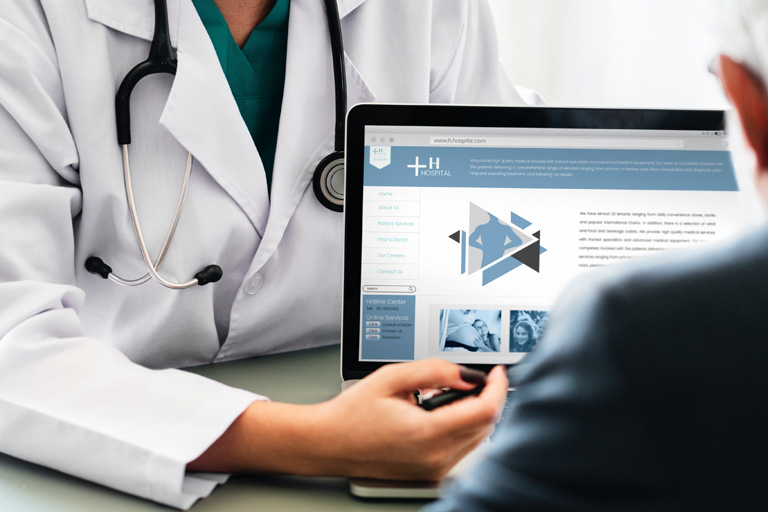
When patients visit a hospital, they release a lot of information about themselves. The clinic knows their address, phone number, and other contact information. They may also fill out paperwork about their health history and discuss their concerns with a nurse or doctor. It’s important that their data remains private. Learning about the measures that hospitals are taking can help those who are concerned about data leaks get peace of mind.
Understanding HIPAA
The Health Insurance Portability and Accountability Act is a law that protects medical data from fraud and theft. Security leaks are a constant threat, since computers are widespread in hospitals. Hospital administrations take HIPAA seriously and create a strong security network and tech system that keeps data private. They also have guidelines for all hospital employees to follow, and if someone is caught violating HIPAA, then there are consequences such as termination.
The Difference Between SSL, TLS, and HTTPS
Network security involves internet sentinels that are linked to data encryption as a user navigates different websites, pages and programs. Most people don’t know what is tls, ssl or https, but understanding the difference provides a surface level understanding of data integrity that professionals should know about to implement ethical practices in their place of employment.
Tls stands for transport layer security and it’s a process used to communicate between web applications and servers. It typically activates when a page is loading on a web browser to secure a user’s sensitive information. Anyone using the internet knows when a tls system is in use because there is a padlock icon that appears during a browsing session.
Ssl means secure sockets layer and it deals with private information that may be passed through a browser, such as passwords, credit card numbers and social security numbers. If this information is compromised, then it can have severe consequences, including legal consequences. Hospitals strive to avoid dangerous data breaches by implementing ssl frequently.
Https means hypertext transfer protocol secure and it’s the encrypted version of http. Most people don’t intentionally look if their browser has a https or a http at the beginning of a url. The key difference is that https transports data to port 443, which has a secure ssl certificate. Http transports data to port 80, which opens the door to compromise.
Developers and software professions make sure that an organization is implementing tls, ssl and https on all its computers. Hospitals should seek out qualified tech employees or perhaps hire experienced independent consultants to check and update their security systems regularly.
Stopping Cyber Attacks
Hackers are becoming more advanced and cyberattacks more common. Fortunately, hospitals are aware of the issue and are taking steps to keep the data of their patients and employees private. Cyber security is a must in order to follow HIPAA regulations in this technological age. Hospitals stop cyber attackers in their tracks by closely watching data flow. Professionals know where private data is stored and how to access it, although there are strict regulations on when and how they’re allowed to tap into this sensitive database.
There are data discovery tools available that can help hospitals scan their large databases and identify which computers are accessing information. Computers who are not authorized to enter a database are flagged as well as other types of suspicious behavior. Professionals also utilize encryption techniques when data is being transferred to computers, phones or tablets. Some hospital employees work remotely. The lifestyle perks of remote work are dimmed by the potential of security breaches; professionals take extra care that widespread devices have the same level of encryption as in-house computers.
Maintaining Integrity
Of course, there are little things that everyone can do outside of their computer while at work. HIPAA goes beyond computer privacy. Employees are not allowed to discuss patient information with other employees or people outside the office. They are also not allowed to transfer sensitive information through email or the phone.
Protecting privacy maintains peace of mind for hospital patients. Everyone deserves to have quality healthcare without putting their livelihood at risk.


