


























How Modern Technology Is Improving Healthcare
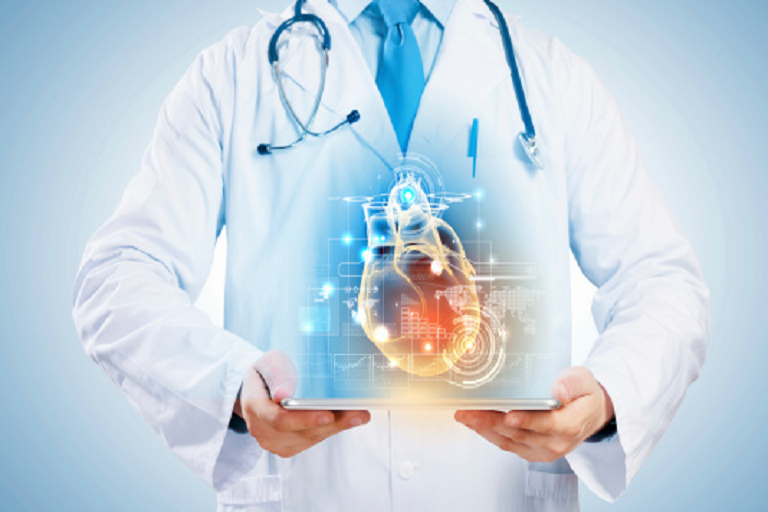
Technology is advancing at a rapid pace, and it is influencing all aspects of daily life. From self-driving cars to delivery drones, it seems there is nothing that modern technology can not improve or streamline. The future of healthcare hinges heavily on technological advances as well. In recent years, the medical industry has begun relying heavily on modern, emerging science that benefits healthcare by making it more efficient and effective. Read on to learn how technology is being used in the medical field today and where it can potentially go in the future.
Artificial Intelligence
Artificial intelligence is completely reforming the world of healthcare. AI algorithms are not only helpful when looking to mine medical records and databases, but they are also currently employed to develop new drugs and generate personalized, individual treatment plans for patients.
One particular AI startup company developed an algorithm to determine a safe and effective way to treat those affected by the Ebola virus. Another organization used AI to create a breakthrough method for breast cancer screening that outperformed medical specialists and radiologists by over 11%.
From designing new, innovative medications to improving medical imaging and solar panels entirely, AI is truly the future of medicine. As more organizations begin to adopt this type of technology, the healthcare field will grow even more precise, accurate, and reliable than it is today.
Virtual Reality
From education to patient care, virtual reality is catching fire in the present-day medical community.
In the past, surgeons could only observe a live procedure to gain the education and experience required to practice on their own. Today, VR makes it possible to witness a live surgery, from anywhere in the world, by using a simple screened headset. Research has recently shown that surgeon training has become over 230% more effective with the introduction of VR, as it tends to be more practical and accurate than the more traditional educational methods.
Additionally, VR is helping patients better manage their levels of pain. Headsets can now assist women in labor, allowing them to visualize a serene, calming environment. Post-surgical patients or people in chronic pain can use VR to distract themselves from their injuries and anxiety, allowing their bodies to heal faster and with less stress.
Trackers and Sensors
In terms of individualized, personal, at-home care, modern trackers and sensors have progressed by leaps and bounds.
Today, watches or wearables are available to track not only your steps but to monitor your heart rate, sleep patterns, and stress levels as well. Athletes use this type of technology to create ideal workouts for their body and sport, and they also use it to meditate and relax when they’re in recovery mode.
Individuals with chronic illnesses utilize trackers to monitor themselves at home while remotely communicating these stats to their doctors regularly. These wearable devices help empower patients to care for themselves and take control of their health anywhere at any time.
Genome Sequencing
The United States government spent approximately $2.7 billion on the Human Genome Project, indicating that DNA sequencing is here to stay.
These tests may soon replace current blood testing, as they provide more detailed personal information at a fraction of the price. Information received is invaluable, as it indicates a person’s sensitivity to drugs, potential to develop particular diseases in the future, and much more.
Further, genome sequencing can reveal quite a bit about food allergies, indicating if a person is allergic, intolerant, or sensitive to a variety of foods. It can test for vitamin deficiencies and show what supplements might benefit you in the future.
Genome sequencing exposes several conditions of which humans might be at risk, allowing them to take preventative actions to live a longer, healthier life.
It’s no surprise that the medical field is progressing rapidly with the advances in modern technology. Who knows what the future holds, but rest assured your care will only get better as time goes on.


