






















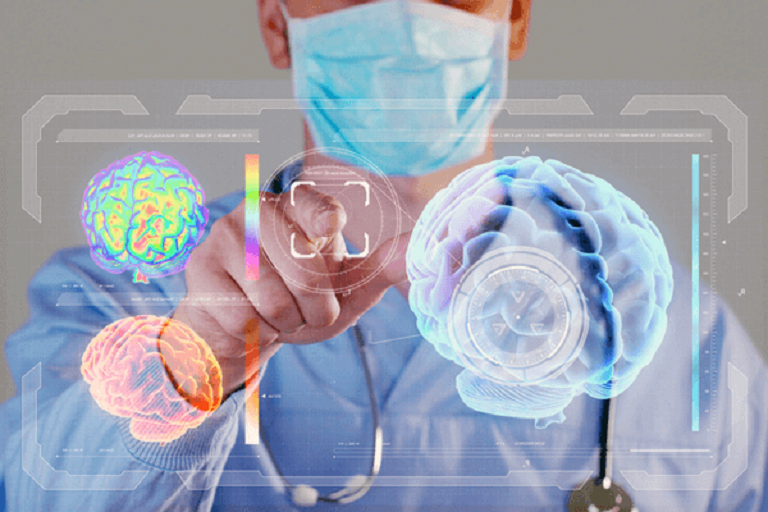
How Tech Is Changing The Healthcare Industry In 2020
The healthcare industry has been extremely benefited by technology. The latest tech trends have the potential to revolutionize the healthcare industry and improve patients’ quality of life. Artificial intelligence, cloud computing and even IoT are some of the technologies changing the medical sector.
Technology is helping improve the healthcare system when it comes to both operativity and the patient experience. In this article, we’ll show you some of the ways that technology is changing the way doctors operate.
Internet of Things
The Internet of Things has become one of the most influential tech trends in the healthcare system. By using IoT driven tools, doctors have a more accurate idea of the patient’s health. There’s an outstanding IoT tool called smart pill. This pill, which is powered by IoT, helps doctors diagnose and see what’s inside the stomach. The US Food & Drug Administration has in fact approved the use of this pill.
According to Frost & Sullivan, in 2017, 60 percent of operations in the healthcare industry were powered by IoT. This business isn’t going to stop in the future; a recent report conducted by Allied Market Research stated that the IoT business in healthcare is expected to reach $136 billion by 2021.
Software Engineering
Telemedicine has become a very popular source of healthcare services these days, especially during the pandemic. That’s why a lot of healthcare companies have increased their demand for software engineers. Telemedicine allows patients to have an immediate response to their queries.
They cannot be treated remotely for grave diseases, but they can have a diagnosis. Depending on the condition, doctors can also prescribe medicine. However, if the doctor is unable to diagnose the condition, he might refer the patient to another doctor in a physical location.
Artificial Intelligence
Artificial Intelligence usually sounds like sci-fi and people don’t realize they’re already using this technology in their daily life. However, the use of AI has reached almost every single aspect of our lives, including healthcare. AI could potentially reduce risks of preventable health issues. By using AI services, patients have reminders for taking their medicine through mobile apps, have access to dosage information based on each patient’s conditions and physical traits, and can identify when they are at high risk.
Besides, AI is also used in digital marketing inside the healthcare community. Chatbots improve the communication system between the patient and the doctors. They’re AI-driven engines that provide an immediate response.
Data Science
Data analysis is a science that relies on statistics and it’s used to find actionable insights. This discipline has been helping scientists in the healthcare industry in many different ways; from drug development to disease prevention and diagnosis.
Even today, in the middle of a pandemic, data science is helping doctors to identify patterns in the spread of the disease. This way, the healthcare community can come up with new strategies to stop the spread of Covid-19.
According to Springboard, it takes up to 12 years to develop a drug and introduce it to the market. By using big data, scientists can reduce this time and create more effective medicines.
Cloud Computing
Imagine having millions of records from all types of patients. You’ll need to have a lot of space to save that kind of data somewhere safe to avoid any type of data breach. That’s why most healthcare companies have a cloud service where they can store patients’ medical history and other types of administrative data.
It’s important to mention that the rise of cloud computing services in healthcare has also increased the demand for having updated software and security systems.
Cybersecurity
In today’s world where everything is IoT-driven, the need for having top-notch cybersecurity systems has also become more relevant. Healthcare companies need to protect their software and hardware to prevent malicious entries.
Imagine that someone with bad intentions had access to the security cameras or the IoT thermostat. That could negatively affect the patients’ lives. According to Career Karma, cybersecurity experts have reached the front line in protecting data.
Conclusion
Technology and healthcare have become the best combination to provide patients with an improved quality of life. Tech trends like data science, cybersecurity, and AI have positively influenced this industry and will continue to do so in the future.


